✓ A colonoscopy is a vital screening tool for colon cancer and other digestive issues.
✓ Preparation, primarily bowel cleansing, is the most challenging but crucial part of the process.
✓ The procedure itself typically takes 30-60 minutes and is usually performed under sedation.
✓ Recovery is generally quick, but you'll need someone to drive you home due to sedation effects.
How It Works
1
Consultation & Scheduling
Your doctor will discuss the procedure's necessity, answer your questions, and schedule your colonoscopy. You'll receive detailed instructions for preparation.
2
Bowel Preparation (The Prep)
This involves a special diet and laxative solution to thoroughly cleanse your colon. This step is critical for a successful examination.
3
The Procedure Day
You'll arrive at the facility, receive sedation, and the gastroenterologist will gently insert a colonoscope to examine your colon lining.
4
Recovery & Results
After the procedure, you'll recover from sedation, receive initial findings, and arrange for a follow-up to discuss full results, especially if biopsies were taken.
Understanding Why a Colonoscopy is Essential for Your Health
Photo: cottonbro studio / Pexels
A colonoscopy is more than just a routine medical procedure; it's a powerful tool in preventive healthcare, particularly for early detection and prevention of colorectal cancer. This type of cancer is the third most common cancer diagnosed in both men and women in the United States, yet it is highly treatable when caught early. The primary purpose of a colonoscopy is to examine the entire length of the large intestine (colon and rectum) for abnormalities such as polyps, inflammation, ulcers, or bleeding. Polyps are small growths on the lining of the colon, and while most are benign, some can eventually develop into cancer over time. During a colonoscopy, your doctor can not only identify these polyps but also remove them immediately, effectively preventing cancer before it even starts. This dual capability—detection and prevention—makes the colonoscopy a gold standard for colorectal cancer screening.
Beyond cancer screening, a colonoscopy is also used to investigate symptoms such as unexplained changes in bowel habits, abdominal pain, rectal bleeding, or weight loss. It can help diagnose conditions like inflammatory bowel disease (Crohn's disease and ulcerative colitis), diverticulosis, and other gastrointestinal disorders. The visual inspection provided by the colonoscope offers a level of detail unmatched by other screening methods like stool tests or virtual colonoscopies, which may indicate a problem but don't allow for immediate intervention. Understanding the profound impact this procedure can have on your long-term health is the first step in approaching it with confidence and without undue anxiety. It's a proactive measure that empowers you to take control of your digestive health and significantly reduce your risk of serious illness. Your doctor will typically recommend a colonoscopy based on age (usually starting at age 45 for average-risk individuals), family history of colon cancer or polyps, or the presence of specific symptoms. Discussing your personal risk factors with your healthcare provider is crucial to determine the appropriate screening schedule for you. For more information on screening guidelines, you can visit resources like the American Cancer Society. Learn more about colon cancer prevention.
The Bowel Preparation: Your Key to a Successful Colonoscopy
Photo: SHVETS production / Pexels
Often cited as the most challenging part of the entire colonoscopy experience, the bowel preparation, or "the prep," is undeniably the most critical. Its importance cannot be overstated: a thoroughly cleansed colon allows your doctor to have a clear, unobstructed view of your colon lining, ensuring that no polyps or abnormalities are missed. An inadequate prep means your doctor might not be able to see everything, potentially leading to missed diagnoses or even the need to repeat the entire procedure.
Your doctor will provide specific, detailed instructions for your prep, and it is imperative to follow them precisely. Generally, the prep involves two main components: dietary restrictions and a laxative solution.
**Dietary Restrictions:** For a few days leading up to the procedure, you'll be instructed to avoid certain foods. This typically includes high-fiber foods, nuts, seeds, and sometimes red meat, which can be difficult to digest and leave residue in the colon. The day before your colonoscopy, you'll transition to a clear liquid diet. This means consuming only liquids that you can see through, such as water, clear broths (chicken or beef), apple juice, white grape juice, sports drinks (without red, blue, or purple dyes), plain gelatin (without red, blue, or purple dyes), and clear sodas. It's crucial to avoid any opaque liquids like milk, cream, orange juice, or tomato juice.
**Laxative Solution:** This is the main event of the prep. You'll be given a prescription for a laxative solution, which typically comes in a large volume (e.g., 4 liters) or as a smaller volume combined with additional clear liquids. You'll drink this solution in divided doses, usually the evening before and then several hours before your procedure on the morning of. The solution works by causing frequent, watery bowel movements that effectively flush out all solid waste from your colon. While it can be uncomfortable, causing frequent trips to the bathroom and sometimes nausea or bloating, remember that this is a temporary and necessary step.
**Tips for a Smoother Prep:**
* **Stay Hydrated:** Drink plenty of clear liquids beyond the prep solution to prevent dehydration.
* **Chill the Solution:** Many people find the taste more tolerable when the solution is cold. You can also add clear flavorings (like lemon or lime drops, but avoid red/purple).
* **Use a Straw:** Drinking through a straw can help bypass some taste buds.
* **Stay Close to a Bathroom:** Plan to be at home and near a bathroom once you start the laxative.
* **Skin Care:** Use soft toilet paper and consider applying a barrier cream (like Vaseline or diaper rash cream) to prevent skin irritation.
* **Distraction:** Engage in activities that distract you, such as watching movies, reading, or listening to podcasts.
While the prep can be daunting, approaching it with a clear understanding of its purpose and armed with these tips can make it a more manageable experience. Remember, a clean colon is a successful colonoscopy.
The Colonoscopy Procedure: What Happens During the Examination
Photo: Pavel Danilyuk / Pexels
On the day of your colonoscopy, you’ll arrive at the outpatient facility or hospital, typically a few hours before your scheduled procedure time. You’ll check in, and a nurse will guide you through the initial steps. This usually involves changing into a hospital gown and having your vital signs checked. The nurse will review your medical history, current medications, and confirm that you have followed all the prep instructions. This is an excellent opportunity to ask any last-minute questions you might have about the procedure itself.
One of the most common concerns patients have is about discomfort during the procedure. Rest assured, you will be given sedation to ensure your comfort. The type of sedation can vary, but it usually involves an intravenous (IV) sedative that will make you feel relaxed and often put you into a light sleep, meaning you won't feel or remember the procedure. An anesthesiologist or a trained nurse anesthetist will administer the sedation and monitor your vital signs throughout the examination. They will also place an IV line, usually in your arm or hand, through which the sedative and any other necessary medications will be delivered.
Once you are adequately sedated, you will be positioned on your left side on an examination table. The gastroenterologist will then begin the procedure. They will gently insert a long, flexible tube called a colonoscope into your rectum. The colonoscope is equipped with a tiny camera at its tip, which transmits real-time video images of your colon's lining to a monitor. The scope also has a light source to illuminate the colon and channels that allow the doctor to introduce air or carbon dioxide to inflate the colon slightly, providing a clearer view. Water can also be used to wash away any residual stool or mucus.
As the colonoscope is advanced through your large intestine, the doctor meticulously examines the entire colon, looking for polyps, inflamed tissue, bleeding, or other abnormalities. If polyps are found, they are usually removed immediately using tiny instruments passed through the colonoscope. This process, called a polypectomy, is painless because the colon lining does not have nerve endings that detect pain. Biopsies (small tissue samples) may also be taken from any suspicious areas for further examination under a microscope. The entire procedure typically takes between 30 to 60 minutes, depending on the individual and whether polyps need to be removed or biopsies taken.
After the examination is complete, the colonoscope is slowly withdrawn, and the sedation is allowed to wear off. You'll be moved to a recovery area where nurses will continue to monitor your vital signs. It’s important to remember that while the idea of a scope might seem daunting, the medical team is highly skilled, and their primary goal is to ensure your safety and comfort throughout the entire process. Understand more about digestive health.
Post-Procedure: Recovery, Results, and When to Seek Help
Photo: gorden murah surabaya / Pexels
Once your colonoscopy is complete, you will be moved to a recovery area where nurses will monitor you as the sedation wears off. It's common to feel groggy, disoriented, or a bit sleepy immediately after the procedure. You might also experience some mild abdominal cramping or bloating, which is normal and caused by the air or carbon dioxide introduced into your colon during the examination. Passing gas can help relieve this discomfort quickly. The recovery period in the facility typically lasts about 30 minutes to an hour, or until you are fully awake and alert.
Due to the sedation, you will not be allowed to drive yourself home. It is a mandatory safety precaution, so make sure you have arranged for a friend, family member, or taxi/rideshare service to pick you up. Plan to take it easy for the remainder of the day. Avoid making any important decisions, operating heavy machinery, or consuming alcohol, as the effects of sedation can linger for several hours. Most people can resume their normal diet and activities the day after the procedure, though your doctor might provide specific dietary recommendations.
Before you leave the facility, your doctor will usually provide initial findings of your colonoscopy. If no polyps were found and everything looked normal, you might be given a clean bill of health and a recommendation for your next screening, typically in 5 to 10 years, depending on your risk factors. If polyps were removed or biopsies were taken, you will be informed of this, and the samples will be sent to a lab for pathological analysis. The full results of these analyses usually take several days to a week to come back. Your doctor will then schedule a follow-up appointment or call you to discuss these results in detail and outline any next steps, such as surveillance recommendations or further treatment if necessary.
While colonoscopies are generally very safe, it's important to be aware of potential, albeit rare, complications and when to seek medical attention. You should contact your doctor immediately or go to the emergency room if you experience any of the following:
* Severe abdominal pain that worsens or does not improve with passing gas.
* Heavy rectal bleeding (more than a few tablespoons), especially if accompanied by dizziness or weakness.
* Fever (over 100.4°F or 38°C).
* Persistent nausea or vomiting.
* Abdominal distension or hardness.
These symptoms could indicate a more serious complication, such as a perforation of the colon or significant bleeding, which requires prompt medical evaluation. Most patients, however, experience a smooth recovery with no complications. Being informed about what to expect and when to be concerned empowers you to have a safe and stress-free colonoscopy experience.
Comparison
Feature
Colonoscopy
Fecal Immunochemical Test (FIT)
CT Colonography (Virtual Colonoscopy)
Detection Capability
Polyps, cancer, inflammation
Blood in stool (indicator of polyps/cancer)
Polyps, cancer
Intervention Possible
✓ (Polyp removal, biopsy)
✗ (Diagnostic only)
✗ (Diagnostic only)
Procedure Type
Invasive (scope inserted)
Non-invasive (stool sample)
Non-invasive (CT scan)
Prep Required
Extensive bowel prep
None
Moderate bowel prep
Sedation Required
✓
✗
✗
Frequency (Average Risk)
Every 10 years
Every year
Every 5 years
What Our Readers Say
5★★★★★
"I was so nervous about my colonoscopy, but reading up on what to expect really helped. The prep was tough, but knowing it was temporary made it easier. The staff were amazing, and I genuinely didn't remember a thing during the procedure. Highly recommend preparing yourself with information like this."
Sarah P.Austin, TX
5★★★★★
"This guide was spot on! The description of the bowel prep and the clear liquid diet was exactly what I experienced. Knowing what to expect during the actual colonoscopy procedure really calmed my anxieties. It's a vital screening, and this article makes it less intimidating."
David M.Chicago, IL
5★★★★★
"My doctor found and removed several polyps, thanks to a very thorough colonoscopy. This article helped me understand the whole process, from the importance of the prep to the recovery. I'm so relieved it's done and that I caught things early."
Emily R.Denver, CO
4★★★★☆
"The prep was definitely the hardest part, as this guide suggested. I wish I'd focused more on the tips for making it easier beforehand. However, the procedure itself was a breeze because of the sedation. Overall, a necessary and well-managed medical experience."
Michael T.Miami, FL
5★★★★★
"As someone with a family history of colon cancer, I appreciate how this article demystifies the colonoscopy. It breaks down each step, making a potentially scary procedure feel manageable and empowering. The emphasis on early detection is crucial."
Jessica L.Seattle, WA
Frequently Asked Questions
Is a colonoscopy painful?
No, a colonoscopy is not painful. You will receive sedation before the procedure, which will make you feel relaxed and often put you into a light sleep. Most patients report no discomfort during the examination and have no memory of it afterwards. Any mild cramping or bloating experienced afterward is temporary and quickly subsides.
What if polyps are found during my colonoscopy?
If polyps are found, your doctor will usually remove them immediately during the colonoscopy using tiny instruments passed through the scope. This process is called a polypectomy and is painless. The removed polyps are then sent to a lab for analysis to determine if they are benign or precancerous, guiding your future screening recommendations.
How long does the colonoscopy procedure take?
The actual colonoscopy procedure itself typically takes about 30 to 60 minutes. However, you should plan to be at the facility for a total of 2-3 hours, which includes check-in, preparation for sedation, the procedure, and recovery time as the sedation wears off.
How much does a colonoscopy cost, and is it covered by insurance?
The cost of a colonoscopy can vary widely based on your insurance plan, location, and the facility. For screening colonoscopies, most insurance plans, including Medicare, cover the procedure as a preventive service, often with no out-of-pocket cost. It's essential to check with your specific insurance provider beforehand to understand your coverage and potential costs, especially if polyps are removed, as this may change how it's coded.
Are there alternatives to a colonoscopy for colon cancer screening?
Yes, there are other screening options, including stool-based tests (like FIT or Cologuard) and imaging tests (like CT colonography or 'virtual colonoscopy'). While these alternatives are less invasive, they primarily serve as screening tools and, if positive, often require a follow-up colonoscopy for diagnosis and potential polyp removal. A colonoscopy remains the gold standard for its ability to both detect and prevent cancer.
Who should get a colonoscopy?
Individuals at average risk for colorectal cancer should begin screening colonoscopies at age 45. Those with a family history of colon cancer or polyps, or individuals experiencing symptoms like rectal bleeding, changes in bowel habits, or unexplained abdominal pain, may need to start screening earlier or undergo a diagnostic colonoscopy regardless of age. Always consult your doctor for personalized recommendations.
What are the risks of a colonoscopy?
Colonoscopies are generally very safe. Rare risks include a perforation (a tear in the colon wall), bleeding (especially after polyp removal), or reactions to sedation. Your medical team takes extensive precautions to minimize these risks, and they are well-equipped to manage any complications that may arise. The benefits of early cancer detection far outweigh these minimal risks for most people.
Will colonoscopy procedures change much in the future?
While the fundamental procedure of a colonoscopy is well-established, ongoing advancements are focusing on enhancing patient comfort, improving diagnostic accuracy, and exploring less invasive screening methods. Future developments may include even more advanced imaging technologies within the scope, AI-assisted polyp detection, and refinement of bowel preparation techniques to make them more tolerable. However, the direct visual inspection and therapeutic capabilities of a colonoscopy are likely to remain central to colorectal health for the foreseeable future.
Understanding what to expect during a colonoscopy can transform a daunting prospect into a manageable and empowering step for your health. By preparing thoroughly, communicating with your medical team, and knowing the recovery process, you ensure the best possible outcome. Don't let fear deter you from this vital, life-saving screening.

 Photo: RDNE Stock project / Pexels
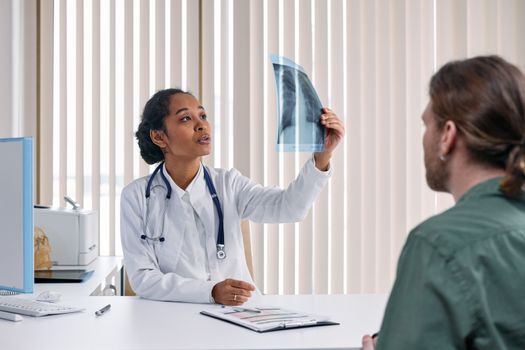 Photo: cottonbro studio / Pexels
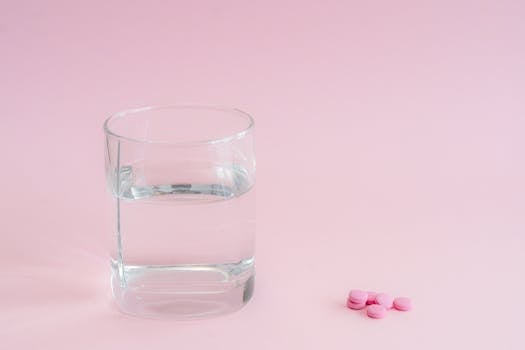 Photo: SHVETS production / Pexels
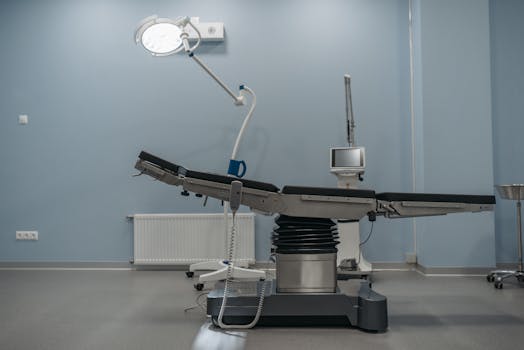 Photo: Pavel Danilyuk / Pexels
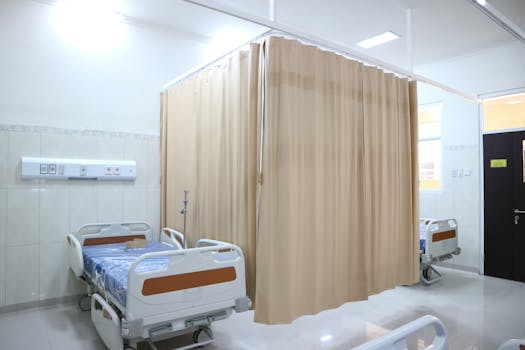 Photo: gorden murah surabaya / Pexels