What is Telemedicine Used For? Your Digital Healthcare Guide
what is telemedicine used for

What is Telemedicine Used For? Your Digital Healthcare Guide

Unlock the power of virtual care for convenient, accessible, and high-quality health services from anywhere.

Explore Telemedicine

Key Takeaways

  • ✓ Telemedicine encompasses a wide range of virtual healthcare services, not just video calls.
  • ✓ It's used for routine care, chronic disease management, mental health, and specialist consultations.
  • ✓ Accessibility and convenience are primary drivers for its rapid adoption.
  • ✓ Regulations and insurance coverage for telemedicine have expanded significantly in recent years.

How It Works

1
Schedule Your Virtual Appointment

Patients typically book appointments online or via a dedicated app, often selecting a time slot and provider that fits their schedule. You'll receive confirmation and instructions for connecting.

2
Connect with Your Provider

At the appointed time, you'll connect with your doctor through a secure video conference platform, phone call, or messaging system. Ensure you have a stable internet connection and privacy.

3
Receive Diagnosis & Treatment

During the consultation, you'll discuss your symptoms, medical history, and concerns. The provider will assess your condition, offer a diagnosis, and prescribe necessary treatments or medications.

4
Follow-Up & Continued Care

Depending on your condition, the provider may schedule follow-up virtual visits, refer you to in-person specialists, or provide resources for ongoing self-management. Your care journey continues seamlessly.

Understanding the Broad Scope of Telemedicine Applications

Senior adult having a virtual doctor consultation on a tablet with medications on the table. Photo: Tima Miroshnichenko / Pexels
In an increasingly digital world, healthcare has undergone a profound transformation, with telemedicine emerging as a cornerstone of modern medical practice. But exactly what is telemedicine used for? Far from being a mere temporary solution during global crises, telemedicine has solidified its position as a versatile and indispensable tool, addressing a vast spectrum of healthcare needs across the United States. It encompasses a wide array of services delivered remotely, leveraging technology to connect patients with healthcare providers without the need for a physical, in-person visit. This broad scope is precisely why its adoption continues to accelerate, offering unparalleled convenience and accessibility. At its core, telemedicine is about bridging geographical distances and time constraints, making quality healthcare more attainable for everyone. It's not just about video calls; it includes remote patient monitoring, secure messaging, e-prescribing, and even digital imaging consultations. For instance, a patient living in a rural area with limited access to specialists can now consult with a top-tier neurologist via a secure video link. Similarly, an individual with a chronic condition can have their vital signs continuously monitored from the comfort of their home, with data seamlessly transmitted to their care team, allowing for proactive interventions. This shift from reactive to proactive care is a significant advantage, empowering patients to take a more active role in managing their health. One of the most common applications of telemedicine is for routine primary care visits. Instead of taking time off work, enduring traffic, and sitting in a waiting room for a minor ailment like a cold, flu, or rash, patients can now consult with their family doctor virtually. This not only saves time and reduces stress but also minimizes exposure to other illnesses in a clinical setting. Pediatricians are increasingly using telemedicine for follow-up appointments or to assess non-urgent childhood illnesses, providing peace of mind for parents. The convenience extends to prescription refills, where providers can evaluate a patient's need and send prescriptions directly to their pharmacy electronically, streamlining the entire process. The flexibility offered by telemedicine truly redefines the patient experience, placing their needs and lifestyle at the forefront of healthcare delivery. Learn more about the benefits of virtual care. Beyond routine check-ups, telemedicine plays a crucial role in managing chronic conditions such as diabetes, hypertension, and heart disease. Through remote patient monitoring devices, doctors can track blood glucose levels, blood pressure, and cardiac rhythms in real-time. This continuous data stream allows for timely adjustments to medication, lifestyle recommendations, and early detection of potential complications, thereby preventing hospitalizations and improving overall health outcomes. For patients with mobility issues or those who find frequent travel challenging, this form of care is a game-changer, ensuring consistent medical oversight without the physical burden of repeated clinic visits. The ability to maintain regular contact with healthcare providers, even when physical presence isn't feasible, fosters a stronger patient-provider relationship and a more integrated approach to health management. This comprehensive application highlights how telemedicine isn't just about acute care, but about fostering long-term wellness and disease prevention.

Specialized Care and Mental Health Support Through Virtual Platforms

Patient in bed having a virtual consultation with a doctor via tablet. Photo: Tima Miroshnichenko / Pexels
The utility of telemedicine extends far beyond general practice, proving invaluable in specialized medical fields and, perhaps most notably, in mental health. For specialties like dermatology, ophthalmology, and even some aspects of cardiology, virtual consultations can significantly expedite diagnosis and treatment. Dermatologists can examine skin lesions or rashes through high-resolution images or video calls, often determining a course of action or recommending an in-person biopsy if necessary. Ophthalmologists can conduct initial screenings or follow-ups for conditions like conjunctivitis or dry eyes, reducing the need for patients to travel to specialized clinics. This efficiency in specialist access is particularly beneficial for individuals residing in underserved areas where specialist availability is scarce, ensuring they receive expert opinions without geographical barriers. One of the most impactful areas where telemedicine has flourished is mental health. Teletherapy, also known as online counseling or virtual therapy, has become a lifeline for countless individuals seeking support for anxiety, depression, stress, trauma, and other mental health conditions. The discreet and convenient nature of virtual mental health services removes many barriers that traditionally prevented people from seeking help. Stigma, logistical challenges like transportation, and the discomfort of sitting in a waiting room are all mitigated by the option of connecting with a licensed therapist or psychiatrist from the privacy and comfort of one's home. This accessibility has led to a significant increase in people accessing mental health care, fostering a greater culture of openness and support. Furthermore, telemedicine facilitates access to substance abuse counseling and support groups, providing a critical resource for individuals on their recovery journey. The ability to attend regular sessions remotely helps maintain consistency in treatment, which is vital for positive outcomes. For conditions requiring medication management, such as ADHD or certain mood disorders, psychiatrists can conduct virtual appointments to monitor symptoms, adjust dosages, and ensure patient well-being, all while adhering to strict privacy protocols. This continuous, accessible support is fundamental to improving mental health outcomes across the population. Telemedicine also plays a vital role in post-operative follow-ups and rehabilitation. After surgery, patients often require regular check-ups to monitor recovery, assess wound healing, and address any concerns. Many of these appointments can be effectively conducted virtually, reducing the burden on patients who might be experiencing pain or limited mobility. Physical therapists, occupational therapists, and speech therapists are increasingly utilizing telehealth to guide patients through exercises and rehabilitation programs, observing their movements and providing real-time feedback. This not only makes recovery more convenient but also ensures continuity of care, which is crucial for optimal healing and regaining function. The integration of telemedicine into these specialized fields underscores its adaptability and its capacity to enhance care delivery across the entire healthcare spectrum, making specialized expertise more widely available and patient-centric.

Emergency Preparedness and Remote Patient Monitoring Innovations

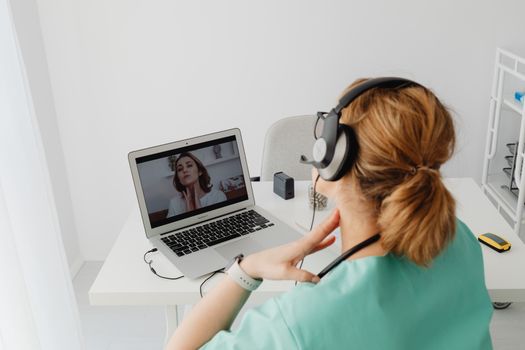
Woman in medical scrubs having a telemedicine session using a laptop from home. Photo: www.kaboompics.com / Pexels
Beyond routine and specialized care, telemedicine proves indispensable in emergency preparedness and through innovative remote patient monitoring (RPM) solutions, significantly enhancing the resilience and responsiveness of the healthcare system. In times of public health crises, natural disasters, or pandemics, telemedicine offers a critical pathway for delivering care while minimizing physical contact and reducing the strain on overwhelmed emergency services. During outbreaks, virtual consultations allow healthcare providers to screen patients for symptoms, offer advice, and direct them to appropriate care settings, thereby reducing unnecessary visits to emergency rooms and preventing the spread of infectious diseases. This strategic deployment of telemedicine ensures that essential medical advice remains accessible even when traditional healthcare infrastructure is under duress, protecting both patients and frontline workers. Remote Patient Monitoring (RPM) represents a revolutionary application of telemedicine, moving healthcare from episodic visits to continuous, proactive management. RPM involves the use of digital technologies to collect health data from patients in one location and electronically transmit that information securely to healthcare providers in a different location for assessment and recommendations. Devices such as smartwatches, continuous glucose monitors, blood pressure cuffs, and pulse oximeters can gather vital signs, activity levels, sleep patterns, and other physiological data. This data is then relayed to the patient’s care team, often through a secure app or online portal. For individuals with chronic conditions like heart failure, chronic obstructive pulmonary disease (COPD), or diabetes, RPM can be life-changing. It allows healthcare providers to identify subtle changes in a patient's condition early, before they escalate into an emergency, enabling timely interventions and preventing hospital readmissions. For instance, a sudden spike in blood pressure or a significant drop in oxygen saturation can trigger an alert, prompting a nurse or doctor to contact the patient immediately for further assessment or to adjust their treatment plan. RPM also empowers patients by giving them greater insight into their own health data and fostering a sense of control over their condition. Regular monitoring encourages adherence to treatment plans and lifestyle modifications. For elderly patients or those with limited mobility, RPM provides a layer of safety and independence, knowing that their health is being continuously overseen by medical professionals, reducing the need for frequent in-person clinic visits. The data collected through RPM also offers valuable insights for clinicians, allowing them to personalize care plans based on real-world data rather than relying solely on periodic snapshots from office visits. This data-driven approach leads to more effective and tailored treatment strategies, ultimately improving long-term health outcomes. Discover how remote monitoring is revolutionizing chronic care. Furthermore, telemedicine extends to urgent care needs that don't quite warrant an emergency room visit but require prompt attention. Many telemedicine platforms offer on-demand virtual urgent care, allowing patients to connect with a provider within minutes for conditions like urinary tract infections, minor cuts, allergic reactions, or stomach upset. This accessibility provides a convenient and often more affordable alternative to traditional urgent care centers, reducing wait times and providing immediate medical guidance. This immediate access to care for non-life-threatening conditions is a significant advantage, ensuring that patients receive timely attention without overburdening emergency services or incurring higher costs. The strategic integration of telemedicine into emergency preparedness and through advanced RPM solutions underscores its pivotal role in building a more resilient, responsive, and patient-centered healthcare ecosystem for the future.

Navigating the Future: Tips for Maximizing Your Telemedicine Experience

As telemedicine continues to evolve, understanding how to best utilize its capabilities is key to maximizing your healthcare experience. While the benefits are clear, a proactive approach can ensure your virtual visits are as effective as any in-person consultation. Here are some essential tips for patients and providers alike to make the most of what telemedicine is used for: **Tips for Patients:** * **Prepare in Advance:** Before your appointment, write down your symptoms, questions, and any medications you are currently taking (including dosages). Have your medical history handy if it's your first visit with a new provider. This preparation ensures you cover all your concerns during the limited appointment time. * **Ensure a Private and Quiet Space:** Find a location free from distractions with good lighting and a stable internet connection. This allows for clear communication and protects your privacy during the consultation. * **Test Your Technology:** A few minutes before your appointment, test your camera, microphone, and internet connection. Ensure your device is fully charged or plugged in to avoid interruptions. * **Be Honest and Detailed:** Just as in an in-person visit, provide your doctor with accurate and comprehensive information about your symptoms and medical history. Don't withhold information, as it can impact the accuracy of your diagnosis and treatment plan. * **Understand Your Follow-Up Plan:** Before ending the call, clarify next steps, including any prescriptions, referrals, or instructions for follow-up appointments. Don't hesitate to ask for clarification if anything is unclear. **Tips for Healthcare Providers:** * **Utilize Secure, HIPAA-Compliant Platforms:** Always use platforms that meet stringent security and privacy standards to protect patient data and comply with regulations. * **Enhance Virtual Examination Skills:** Develop techniques for conducting effective virtual assessments, such as guiding patients on how to demonstrate symptoms or use simple tools for self-examination (e.g., checking for swelling, describing pain location accurately). * **Communicate Clearly and Empathetically:** Without the physical cues of an in-person visit, clear verbal communication and empathetic listening are even more crucial. Ensure patients feel heard and understood. * **Provide Clear Instructions:** Offer detailed post-visit instructions, including how to take medications, when to expect results, and how to contact the office with further questions. * **Integrate Telemedicine with EHR:** Seamless integration of telemedicine platforms with Electronic Health Records (EHR) systems can streamline documentation, improve continuity of care, and reduce administrative burden. By following these guidelines, both patients and providers can optimize the telemedicine experience, ensuring that virtual care remains a high-quality, convenient, and effective component of modern healthcare. The future of medicine is undeniably hybrid, blending the best of in-person and virtual care to create a more accessible and patient-centered system.

Comparison

FeatureTelemedicineIn-Person VisitUrgent Care ClinicEmergency Room
ConvenienceHighLowMediumVery Low
Cost (Average)LowerMediumMedium-HighVery High
Access to SpecialistsGood (Virtual)Good (Appointment)LimitedLimited
Wait TimesShort/ScheduledMedium-LongMediumVery Long
Severity of ConditionsMild to ModerateAllMild-Moderate UrgentLife-Threatening
Infectious Disease ExposureVery LowMediumHighVery High
PrivacyHighMediumMediumMedium

What Readers Say

"I used telemedicine for a persistent cough and fever, and it was incredibly convenient. My doctor quickly assessed my symptoms, prescribed medication, and I didn't have to leave my house while feeling unwell. It's amazing what is telemedicine used for in everyday situations."

Sarah J. · Austin, TX

"My therapist switched to virtual sessions, and it has made maintaining my mental health so much easier. The flexibility means I never miss an appointment, and I feel just as connected as I did in person. This truly shows what is telemedicine used for in mental health."

Mark D. · Denver, CO

"After my knee surgery, I had virtual follow-ups with my orthopedic surgeon. It saved me painful trips to the clinic and allowed me to focus on recovery at home. My recovery was much smoother thanks to this virtual care option."

Emily R. · Miami, FL

"While most of my telemedicine experiences have been great, I did have one instance where I wished the doctor could have physically examined me. However, for prescription refills and common colds, it's unbeatable for convenience and speed."

David L. · Seattle, WA

"As a busy mom, telemedicine has been a lifesaver for my kids' minor illnesses. Getting a quick consultation for a rash or ear infection without dragging them to the doctor's office is invaluable. It's incredible what is telemedicine used for to simplify family healthcare."

Maria K. · Chicago, IL

Frequently Asked Questions

What common conditions can be treated using telemedicine?

Telemedicine is effectively used for a wide range of common conditions including colds, flu, allergies, rashes, minor infections (like UTIs or pink eye), prescription refills, chronic disease management (diabetes, hypertension), mental health counseling, and post-operative follow-ups. It's ideal for non-emergency situations where a physical examination isn't critical for diagnosis.

Is telemedicine secure and private?

Yes, reputable telemedicine platforms are designed to be highly secure and compliant with HIPAA (Health Insurance Portability and Accountability Act) regulations. This means your personal health information is encrypted and protected, ensuring your privacy during virtual consultations and data transmission.

How do I prepare for a telemedicine appointment?

To prepare, find a quiet, private space with good lighting and a stable internet connection. Test your camera and microphone beforehand. Have your symptoms, medical history, current medications, and any questions written down. Be ready to describe your condition in detail, just as you would in an in-person visit.

Does insurance cover telemedicine services?

Insurance coverage for telemedicine has expanded significantly. Most major insurance providers, including Medicare and Medicaid, now cover many telemedicine services. It's always best to check directly with your insurance provider to understand your specific plan's coverage, co-pays, and any limitations.

How does telemedicine compare to an in-person doctor's visit?

Telemedicine offers unparalleled convenience, reduced travel time, and lower exposure to illness, often at a lower cost for non-urgent care. However, it cannot replace in-person visits for conditions requiring physical examinations, diagnostic tests (like X-rays), or emergency medical attention. It complements traditional care by handling many routine and follow-up needs virtually.

Who should consider using telemedicine?

Telemedicine is suitable for a broad audience, including individuals with busy schedules, those living in rural areas with limited access to specialists, people with chronic conditions requiring regular monitoring, individuals seeking mental health support, and anyone needing quick consultations for minor ailments. It's a great option for almost anyone seeking convenient and accessible healthcare.

Are there any risks associated with telemedicine?

While generally safe, potential risks include misdiagnosis if a physical exam is crucial and not performed, technological glitches interrupting communication, or privacy breaches if using non-secure platforms. Choosing reputable providers and being transparent about symptoms minimizes these risks. Telemedicine is not for medical emergencies.

What are the future trends for telemedicine?

The future of telemedicine will likely see further integration with AI for diagnostics, expanded use of remote patient monitoring with advanced wearables, greater adoption in specialized surgical follow-ups, and a continued push towards a hybrid care model that seamlessly blends virtual and in-person care for a truly patient-centric approach. Expect more personalized and proactive health management.

Understanding what is telemedicine used for empowers you to make informed decisions about your healthcare. Embrace the convenience, accessibility, and quality of virtual care to manage your health proactively and efficiently. Explore telemedicine options today and experience the future of medicine.

Topics: what is telemedicine used fortelehealth applicationsvirtual doctor visitsremote healthcare servicestelemedicine benefits
Leo List
Brampton weed
Adultwork EstrelaBet Vai de Bet R7 Bet Betão Galera Bet Rainbet Bet9ja Shop SportyBet BetKing Sisal Loto Foot Hollywoodbets YesPlay Odibets RushBet Jugabet BetWarrior BetCity MSport betPawa Fortebet