What is Telemedicine and How It Works: Your Complete Guide
what is telemedicine and how it works

What is Telemedicine and How It Works: Your Complete Guide

Senior adult having a virtual doctor consultation on a tablet with medications on the table.Photo: Tima Miroshnichenko / Pexels

What is Telemedicine and How It Works: Your Complete Guide

Unlock the future of healthcare with convenient, accessible medical services from the comfort of your home.

Explore Telemedicine Now

Key Takeaways

  • ✓ Telemedicine uses technology for remote healthcare services.
  • ✓ It encompasses virtual visits, remote monitoring, and mobile health apps.
  • ✓ Benefits include convenience, accessibility, and cost-effectiveness.
  • ✓ Regulations ensure patient privacy and data security.

How It Works

1
Scheduling Your Virtual Appointment

Patients typically schedule an appointment online or via phone, selecting a time that works for them. They may need to complete a brief pre-visit questionnaire or provide insurance information.

2
Connecting with Your Provider

At the scheduled time, patients connect with their healthcare provider through a secure video conferencing platform. This can be done using a smartphone, tablet, or computer with a webcam and microphone.

3
Receiving Diagnosis and Treatment

During the virtual consultation, the doctor will discuss symptoms, medical history, and may ask to see certain physical manifestations via video. They will then provide a diagnosis, treatment plan, or prescription, just like an in-person visit.

4
Follow-up and Remote Monitoring

Post-consultation, patients might receive follow-up instructions, referrals, or prescriptions sent to their pharmacy. For chronic conditions, remote monitoring devices can transmit vital signs and other data directly to the care team for ongoing management.

Understanding the Core Concepts of Telemedicine
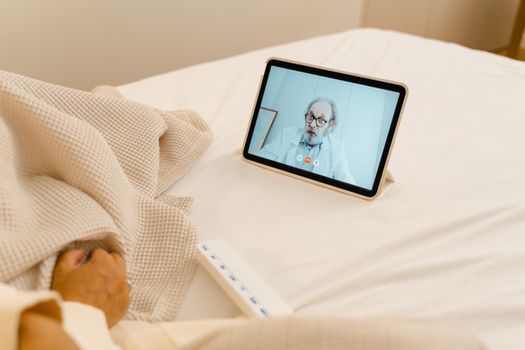
Patient in bed having a virtual consultation with a doctor via tablet.Photo: Tima Miroshnichenko / Pexels
Telemedicine, at its core, is the practice of delivering healthcare services remotely using telecommunications technology. It’s far more than just a video call with your doctor; it's a comprehensive approach that leverages various digital tools to enhance patient care, improve access, and streamline medical processes. The rapid evolution of technology has transformed telemedicine from a niche service into a fundamental component of modern healthcare delivery, especially in the United States where geographical barriers and busy schedules often impede timely access to medical attention. To truly grasp what is telemedicine and how it works, one must appreciate its multifaceted nature, encompassing everything from routine check-ups to chronic disease management and even emergency consultations in some contexts. The genesis of telemedicine can be traced back to the early 20th century, with rudimentary forms of remote medical advice being exchanged over radio waves. However, it was the advent of the internet and high-speed data transmission in the late 20th and early 21st centuries that truly propelled telemedicine into the mainstream. Today, it’s not just about communicating; it's about securely transmitting medical images, monitoring vital signs from a distance, and facilitating collaborative care among specialists located thousands of miles apart. This technological leap has democratized access to specialized medical knowledge, allowing individuals in rural areas or those with mobility challenges to consult with top-tier physicians without the need for arduous travel. Moreover, telemedicine has proven invaluable in public health crises, offering a safe and effective way to provide care while minimizing exposure risks. The scope of telemedicine is incredibly broad, touching almost every specialty within medicine. For instance, a dermatologist can examine a skin lesion via a high-resolution image or video, a psychiatrist can conduct therapy sessions, and a cardiologist can review data from a patient's wearable heart monitor. This versatility makes it an indispensable tool for preventative care, acute illness management, and long-term condition monitoring. The convenience factor is undeniable; patients can receive care from their home or office, saving time and money associated with travel, parking, and waiting room delays. For healthcare providers, it offers the flexibility to manage patient loads more efficiently, reduce no-show rates, and extend their reach to underserved populations. As we delve deeper into what is telemedicine and how it works, it becomes clear that its impact is not merely incremental but transformative, reshaping the very landscape of healthcare provision and consumption. It's about bringing the doctor to the patient, rather than always requiring the patient to go to the doctor, thus breaking down traditional barriers to care. Learn more about the benefits of digital health solutions.

Diverse Modalities: How Telemedicine Delivers Care
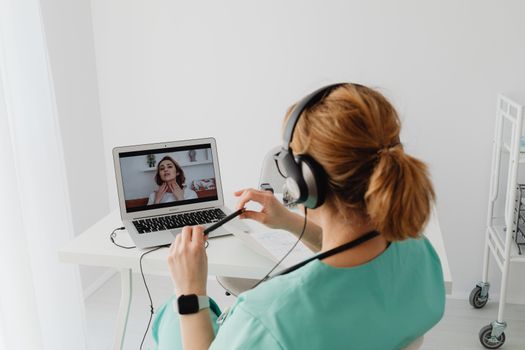
A doctor conducting an online consultation with a patient via laptop in a modern office setting.Photo: www.kaboompics.com / Pexels
The effectiveness of telemedicine lies in its diverse modalities, each tailored to specific healthcare needs and technological capabilities. Understanding these different approaches is key to appreciating the full spectrum of what is telemedicine and how it works. The most common and widely recognized form is synchronous telemedicine, which involves real-time interactive communication between a patient and a healthcare provider. This typically occurs via live video conferencing, simulating an in-person visit where both parties can see and hear each other. Synchronous visits are ideal for initial consultations, follow-up appointments, medication management, and discussing test results, allowing for immediate feedback and dynamic interaction. They are particularly valuable for mental health services, where face-to-face interaction, even virtual, is crucial for building rapport and effective therapy. Another significant modality is asynchronous telemedicine, often referred to as 'store-and-forward.' This involves the transmission of recorded health information (such as medical images, videos, or patient data) from a patient or primary care provider to a specialist for review at a later time. For example, a patient might upload photos of a rash to a secure portal, which a dermatologist then reviews and provides a diagnosis or treatment plan within a specified timeframe. This method is highly efficient for conditions that don't require immediate real-time interaction, such as radiology interpretations, pathology reviews, or certain dermatological assessments. It allows specialists to manage their workload effectively and provides patients with expert opinions without the need for a live appointment, often reducing wait times. Remote patient monitoring (RPM) represents a third, increasingly vital modality of telemedicine. RPM utilizes technology to collect personal health and medical data from individuals in one location and electronically transmit that information to healthcare providers in a different location for review. This can include devices that monitor vital signs like blood pressure, heart rate, blood glucose levels, or oxygen saturation. For patients with chronic conditions such as diabetes, hypertension, or heart disease, RPM enables continuous tracking of their health status, allowing providers to intervene proactively if warning signs appear. This proactive approach can prevent complications, reduce hospital readmissions, and empower patients to take a more active role in managing their own health. The data collected provides a more comprehensive picture of a patient's health trends over time than episodic office visits alone. Furthermore, mobile health (mHealth) applications, which are health-related apps on smartphones and tablets, also fall under the telemedicine umbrella, offering tools for medication reminders, fitness tracking, and access to health information, further diversifying how care is delivered and managed remotely. Each of these modalities plays a crucial role in expanding access to care, enhancing patient convenience, and improving health outcomes. The integration of these various approaches allows for a flexible and comprehensive healthcare system that can adapt to the specific needs of individual patients and the evolving demands of the medical landscape. The blend of real-time interaction, deferred expert review, and continuous monitoring truly illustrates the depth and breadth of what is telemedicine and how it works in practice.

Benefits and Challenges of Adopting Telemedicine
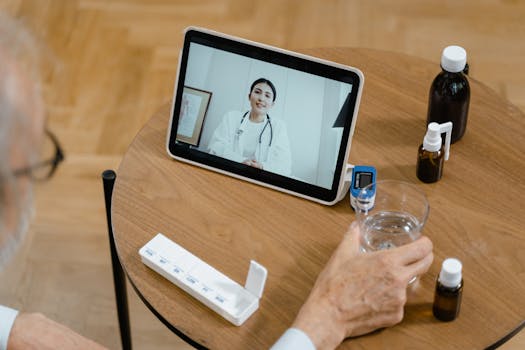
Senior adult having a virtual doctor consultation on a tablet with medications on the table.Photo: Tima Miroshnichenko / Pexels
The widespread adoption of telemedicine has brought forth a multitude of benefits, fundamentally altering how patients interact with healthcare providers and access medical services. One of the most significant advantages is enhanced accessibility. Telemedicine breaks down geographical barriers, making healthcare available to individuals in rural or underserved areas who previously faced long travel times and limited specialist options. It also improves access for those with mobility issues, chronic conditions, or disabilities who find it difficult to attend in-person appointments. This expanded reach ensures that more people can receive timely and necessary care, potentially leading to earlier diagnoses and better health outcomes. Furthermore, the convenience factor is immense; patients can consult with doctors from the comfort of their home or office, eliminating the need for travel, parking, and extended waiting room times, thus saving both time and money. From a public health perspective, telemedicine has proven invaluable during infectious disease outbreaks, such as the COVID-19 pandemic. It allows for the continuation of essential medical services while minimizing person-to-person contact, thereby reducing the risk of viral transmission for both patients and healthcare workers. This capability is not just for pandemics but also for managing common seasonal illnesses, reducing the spread of colds and flu in waiting rooms. Economically, telemedicine can lead to cost savings for both patients and the healthcare system. Patients save on transportation and time off work, while providers can optimize their schedules, reduce overhead costs associated with physical clinic space, and potentially lower rates of emergency room visits for non-urgent conditions. However, despite its numerous advantages, the implementation and expansion of telemedicine are not without challenges. A primary concern revolves around technological access and literacy. While many have access to smartphones and reliable internet, a significant portion of the population, particularly older adults or those in low-income areas, may lack the necessary devices, internet connectivity, or digital skills to effectively utilize telemedicine platforms. This digital divide could exacerbate existing health disparities if not addressed proactively. Another critical challenge is ensuring patient privacy and data security. The transmission of sensitive health information over digital networks necessitates robust encryption and adherence to strict regulatory frameworks like HIPAA (Health Insurance Portability and Accountability Act) in the US, to prevent data breaches and unauthorized access. Understand the importance of data privacy in healthcare. Regulatory and reimbursement landscapes also present ongoing hurdles. While many temporary waivers were enacted during the pandemic to expand telemedicine coverage, the long-term policies for licensing across state lines, reimbursement rates from insurance providers, and scope of practice for virtual care are still evolving. This fragmented regulatory environment can create confusion for both providers and patients. Finally, the limitations of remote physical examination are a key consideration. While video consultations are excellent for visual assessments and discussions, they cannot fully replicate the tactile aspects of an in-person exam, such as listening to heart and lung sounds with a stethoscope or palpating an abdomen. For complex conditions or those requiring hands-on assessment, an in-person follow-up may still be necessary, highlighting that telemedicine often complements, rather than completely replaces, traditional care.

Maximizing Your Telemedicine Experience: Tips and Best Practices

Senior adult having a virtual doctor consultation on a tablet with medications on the table.Photo: Tima Miroshnichenko / Pexels
To ensure you get the most out of your telemedicine appointments and truly leverage what is telemedicine and how it works, adopting a few best practices can make a significant difference. Preparing beforehand is paramount. Think of your virtual visit like an in-person one; you wouldn't go unprepared, so don't approach telemedicine any differently. Here are some key tips: * **Test Your Technology:** Before your appointment, ensure your internet connection is stable, your device (smartphone, tablet, or computer) is charged, and your camera and microphone are working correctly. Test the telemedicine platform or app to familiarize yourself with its interface. A few minutes of preparation can prevent technical glitches from cutting into your consultation time. * **Choose a Private and Quiet Location:** Find a well-lit, private, and quiet space where you won't be interrupted. This ensures confidentiality and allows you to focus fully on your conversation with the doctor. Avoid public Wi-Fi networks for sensitive health discussions. * **Prepare Your Information:** Have your medical history, current medications (including dosages), allergies, and any relevant symptoms ready. Write down your questions or concerns beforehand so you don't forget anything important during the call. If you have a thermometer, blood pressure cuff, or glucose monitor, have those readings handy. * **Be Specific About Symptoms:** Clearly describe your symptoms, including when they started, how severe they are, and what makes them better or worse. If possible, show any visible symptoms (like a rash or swelling) to the camera in good lighting. * **Take Notes:** Just like an in-person visit, jot down key information, diagnoses, treatment plans, and follow-up instructions provided by your doctor. This helps reinforce the information and ensures you adhere to the recommended care. * **Don't Hesitate to Ask for Clarification:** If you don't understand something, ask your provider to explain it in simpler terms. The virtual setting should not deter you from seeking full clarity. By following these simple yet effective strategies, you can transform your telemedicine experience from a mere convenience into a highly productive and beneficial interaction, ensuring you receive the best possible care from your virtual healthcare provider.

Comparison

FeatureTelemedicineIn-Person Clinic VisitUrgent Care Center
ConvenienceHighLowMedium
AccessibilityVery HighMediumMedium
Cost (Out-of-Pocket)Often LowerVariableHigher
Physical Exam CapabilityLimitedFullFull
Wait TimeShort/ScheduledVariable/LongVariable/Long
Exposure Risk (Infectious Diseases)
Specialist AccessHighMediumLow
Prescription Refills

What Our Readers Say

5 ★★★★★

"I used telemedicine when I had a bad cold and couldn't leave the house. The doctor was able to diagnose me and send a prescription to my pharmacy within an hour. It was incredibly convenient and saved me a trip to the clinic."

5 ★★★★★

"As someone with a chronic condition, telemedicine has been a game-changer for my follow-up appointments. I can connect with my specialist from home, which saves me hours of travel. The care quality feels just as good as in-person visits."

5 ★★★★★

"I was hesitant at first, but my virtual therapy sessions have been incredibly effective. My therapist is excellent, and the flexibility of scheduling has significantly improved my consistency with treatment. It's truly helped me manage my anxiety."

4 ★★★★☆

"Telemedicine is fantastic for routine issues and prescription refills. For more complex problems, I still prefer an in-person visit, but for 80% of my needs, it's perfect. The platform was easy to use, and the doctor was attentive."

5 ★★★★★

"My kids often get sick at the most inconvenient times. Being able to do a quick video call with a pediatrician from home has been a lifesaver. No more dragging sick children to a germ-filled waiting room!"

Frequently Asked Questions

What types of conditions can be treated via telemedicine?
Telemedicine is suitable for a wide range of conditions, including common colds, flu, allergies, rashes, minor infections (like UTIs or pink eye), chronic disease management (diabetes, hypertension), mental health counseling, prescription refills, and follow-up appointments. More serious or emergent conditions typically require in-person care.
Is telemedicine secure and private?
Yes, reputable telemedicine platforms are designed with robust security measures to protect patient privacy. They are typically HIPAA-compliant, using encrypted connections and secure data storage to ensure your personal health information remains confidential. Always choose a trusted provider.
How do I prepare for a telemedicine appointment?
To prepare, ensure you have a stable internet connection and a charged device. Find a private, quiet space, and have a list of your symptoms, current medications, and any questions ready. It's also helpful to have a thermometer or blood pressure cuff if you need to provide readings.
Is telemedicine covered by insurance?
Insurance coverage for telemedicine has expanded significantly, especially in the US. Many private insurance plans, Medicare, and Medicaid now cover virtual visits. It's always best to check with your specific insurance provider beforehand to understand your coverage and any potential co-pays.
How does telemedicine compare to an in-person doctor's visit?
Telemedicine offers unmatched convenience, accessibility, and often lower costs for routine care. However, it has limitations regarding physical examinations. While it can effectively handle many common issues, complex diagnoses or conditions requiring hands-on assessment may still necessitate an in-person visit. It often complements traditional care.
Who should consider using telemedicine?
Telemedicine is ideal for individuals seeking convenient access to healthcare, those in rural areas, people with busy schedules, individuals with chronic conditions requiring regular monitoring, and anyone needing quick consultations for non-emergency issues. It's also great for mental health support and prescription management.
Can I get a prescription through telemedicine?
Yes, healthcare providers can issue prescriptions through telemedicine, just as they would during an in-person visit. These prescriptions are typically sent electronically to your preferred pharmacy, ready for pickup. However, certain controlled substances may have specific regulations regarding virtual prescribing.
What is the future outlook for telemedicine?
The future of telemedicine is bright and continues to expand rapidly. We can expect further integration with AI for diagnostics, enhanced remote monitoring capabilities, more personalized digital health tools, and a more streamlined regulatory environment. It's poised to become an even more integral part of everyday healthcare.

Telemedicine is revolutionizing how we access and experience healthcare, offering unparalleled convenience and accessibility. Embrace the future of medical care by exploring what is telemedicine and how it works to benefit your health and well-being today.

Topics: what is telemedicine and how it worksvirtual healthcaretelehealth benefitsremote medical careonline doctor visits
Leo List
Brampton weed
Adultwork