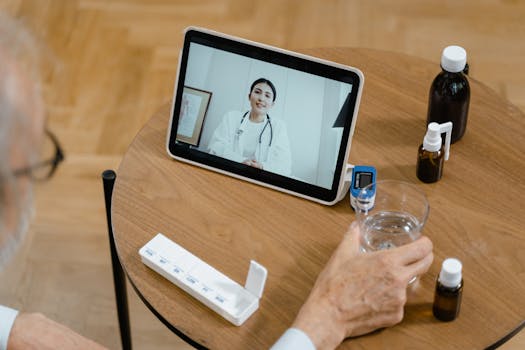
What is Telemedicine and How Does it Work? Your Guide
what is telemedicine and how does it work

What is Telemedicine and How Does it Work? Your Guide

Unlock convenient, high-quality healthcare from the comfort of your home with this comprehensive guide to telemedicine.

Explore Telemedicine Now

Key Takeaways

  • ✓ Telemedicine uses technology to deliver healthcare remotely.
  • ✓ It encompasses virtual visits, remote monitoring, and mobile health.
  • ✓ Patients can connect with doctors via video, phone, or secure messaging.
  • ✓ It offers convenience, reduces travel, and can lower healthcare costs.

How It Works

1
Choose a Provider & Platform

Select a healthcare provider or platform that offers telemedicine services. This could be your existing doctor, a specialized virtual clinic, or a general telehealth service.

2
Schedule Your Virtual Appointment

Book an appointment online, often through a patient portal or dedicated app. You'll typically receive confirmation and instructions on how to join the virtual session.

3
Connect with Your Clinician

At your scheduled time, log in to the platform. You'll connect with your doctor via secure video, phone call, or chat, discussing your symptoms and medical history.

4
Receive Diagnosis & Treatment Plan

The clinician will assess your condition, provide a diagnosis, and outline a treatment plan. This may include prescriptions, referrals, or follow-up instructions, all managed digitally.

Understanding the Fundamentals of Telemedicine

A female doctor in scrubs using a laptop for a virtual consultation, enhancing telemedicine. Photo: www.kaboompics.com / Pexels
In an increasingly interconnected world, the way we access essential services is constantly evolving. Healthcare, a cornerstone of societal well-being, is no exception. Telemedicine, a groundbreaking application of digital technology, has emerged as a pivotal force, transforming how patients interact with medical professionals and receive care. But what exactly is telemedicine, and how does it work to deliver effective healthcare? At its core, telemedicine refers to the practice of providing healthcare services remotely using telecommunications technology. This isn't a futuristic concept; it's a rapidly expanding reality that leverages video conferencing, phone calls, and secure messaging to bridge geographical gaps between patients and providers. It’s important to distinguish telemedicine from the broader term 'telehealth.' While often used interchangeably, telehealth is a more encompassing term that includes a wider range of remote healthcare services beyond just clinical care, such as remote patient monitoring, provider training, and administrative meetings. Telemedicine, specifically, focuses on the direct delivery of clinical services. The advent of telemedicine can be traced back decades, with early forms involving simple phone consultations. However, the true explosion of its capabilities has come with the widespread adoption of high-speed internet, smartphones, and sophisticated secure platforms. These technological advancements have enabled rich, interactive experiences that closely mimic in-person consultations, making it possible for doctors to visually assess patients, interpret symptoms, and even guide them through self-examinations remotely. The fundamental goal of telemedicine is to improve access to healthcare, enhance patient convenience, and potentially reduce costs, all while maintaining or improving the quality of care. It breaks down traditional barriers such as distance, transportation challenges, and time constraints, making it easier for individuals to receive timely medical attention. For instance, a patient in a rural area no longer needs to travel hours for a specialist consultation; they can connect virtually from their home. Similarly, someone with a busy work schedule can often fit a virtual appointment into their day more easily than an in-person visit. The scope of conditions treatable via telemedicine is vast and continually expanding. It's particularly well-suited for routine follow-ups, managing chronic conditions like diabetes or hypertension, addressing minor ailments such as colds, flu, or rashes, and providing mental health counseling. It also plays a crucial role in post-operative care and medication management. The underlying infrastructure for telemedicine relies on secure, encrypted digital platforms that comply with stringent privacy regulations like HIPAA in the United States. This ensures that sensitive patient information remains confidential and protected. Providers utilize specialized software that facilitates secure video calls, electronic prescription sending, and digital charting, integrating seamlessly with existing electronic health record (EHR) systems. This digital integration is key to ensuring continuity of care and allowing all members of a patient’s care team to access relevant information. Understanding these fundamentals is the first step in appreciating the transformative potential of telemedicine, not just as a temporary solution, but as a permanent fixture in the modern healthcare landscape. Its ability to adapt and innovate continues to reshape expectations for convenience and accessibility in medical care. Learn more about the history of medical technology and how it has shaped modern healthcare.

The Mechanics of a Telemedicine Consultation

Elderly male doctor in white coat on a digital tablet screen during a virtual medical consultation. Photo: Tima Miroshnichenko / Pexels
Diving deeper into how telemedicine actually works reveals a streamlined, patient-centric process designed for efficiency and ease of use. The journey typically begins with scheduling. Patients can often book virtual appointments through a provider's website, a dedicated telemedicine app, or by calling their clinic. During this initial step, they might be asked to provide basic information about their symptoms or the reason for their visit, similar to how they would for an in-person appointment. This pre-screening helps the provider prepare for the consultation and ensures that telemedicine is an appropriate format for the patient's needs. Once an appointment is scheduled, patients usually receive instructions on how to prepare. This might include ensuring they have a stable internet connection, a quiet and private space, and a device with a camera and microphone – typically a smartphone, tablet, or computer. Some platforms may require a quick download of their app or a simple browser check to ensure compatibility. A few minutes before the scheduled time, the patient will log into the secure telemedicine platform. This platform acts as the virtual waiting room and consultation space. The provider, from their end, also logs into the same secure system. The actual consultation then commences, usually via a live, two-way video feed. This visual component is crucial, as it allows the doctor to observe the patient's demeanor, any visible symptoms, and to engage in non-verbal communication, which is vital for a comprehensive assessment. During the consultation, the doctor will ask questions about the patient's medical history, current symptoms, and any other relevant information, much like a traditional office visit. Patients can describe their discomfort, show visible issues like rashes or swelling, and even demonstrate movements if it pertains to an injury. The interactive nature of video calls allows for a dynamic exchange, where clarifications can be made and additional questions can be posed by either party. After gathering all necessary information, the clinician will provide a diagnosis and discuss a treatment plan. This plan might involve prescribing medication, which can be sent electronically to the patient's preferred pharmacy. They might also recommend over-the-counter remedies, suggest lifestyle modifications, or refer the patient to a specialist for further in-person evaluation or specific diagnostic tests, such as blood work or imaging. All documentation, including the diagnosis, treatment plan, and any prescriptions, is typically recorded electronically within the patient's secure medical record. This ensures continuity of care and allows for easy access by other healthcare professionals involved in the patient's treatment. Follow-up appointments, if necessary, can also be scheduled virtually. The elegance of this system lies in its ability to replicate many aspects of an in-person visit without the logistical hurdles, offering a powerful combination of medical expertise and technological convenience that is reshaping patient care. The seamless integration of technology ensures that the focus remains on the patient's health outcomes, making healthcare more accessible and less disruptive to daily life.

Key Benefits and Diverse Applications of Virtual Care

Patient in bed having a virtual consultation with a doctor via tablet. Photo: Tima Miroshnichenko / Pexels
The widespread adoption of telemedicine is not merely a trend; it's a testament to its profound benefits and diverse applications across the healthcare spectrum. One of the most significant advantages is unparalleled access to care. For individuals residing in rural or underserved areas where specialist physicians are scarce, telemedicine opens up a world of expertise that was previously out of reach. It eliminates the need for long-distance travel, reducing associated costs like gas, parking, and lost wages from taking time off work. This enhanced accessibility also extends to those with mobility issues, chronic conditions that make travel difficult, or individuals who simply lack reliable transportation. Convenience is another cornerstone benefit. Imagine being able to consult with your doctor from the comfort of your living room, during a lunch break at work, or even while traveling, without the hassle of a waiting room or exposure to other sick patients. This flexibility is particularly appealing for managing routine check-ups, medication refills, or follow-up appointments, integrating healthcare more seamlessly into busy lives. Telemedicine also plays a crucial role in reducing healthcare costs, both for patients and the healthcare system. By minimizing unnecessary emergency room visits for non-urgent conditions and optimizing provider time, it can lead to more efficient resource allocation. Early intervention and better management of chronic diseases through regular virtual check-ins can prevent conditions from escalating, leading to fewer hospitalizations and more cost-effective long-term care. The applications of virtual care are incredibly broad. In primary care, it's used for diagnosing common ailments, managing chronic conditions, and providing preventive health advice. Mental health services have seen a massive surge in telemedicine adoption, offering discreet and accessible therapy, counseling, and psychiatric evaluations. Specialists across various fields, from dermatology to cardiology, are utilizing virtual platforms for consultations, second opinions, and post-procedure follow-ups. Remote patient monitoring (RPM) is another powerful application, where wearable devices or home medical equipment transmit vital signs and other health data to providers, allowing for continuous oversight of conditions like diabetes, hypertension, or heart failure. This proactive approach enables early detection of issues and timely interventions. Furthermore, telemedicine is invaluable in emergency situations for triage and initial assessment, and it's pivotal in public health crises for rapid deployment of information and preliminary screening. For example, during flu season or a pandemic, virtual consultations can help identify potential cases while minimizing exposure risks for both patients and healthcare workers. It's also increasingly used for rehabilitation services, nutrition counseling, and even certain types of surgical pre- and post-operative care. The versatility of telemedicine means it can adapt to various patient needs and clinical scenarios, providing a robust and flexible solution that is transforming the patient experience and improving health outcomes across the board. The evolution of virtual care continues, promising even more innovative ways to deliver high-quality, patient-centered healthcare. Discover more about remote patient monitoring technologies and their impact on chronic disease management.

Navigating Telemedicine: Tips for a Successful Virtual Visit and Potential Pitfalls

Elderly male doctor in white coat on a digital tablet screen during a virtual medical consultation. Photo: Tima Miroshnichenko / Pexels
To ensure you get the most out of your telemedicine experience, a little preparation can go a long way. A successful virtual visit begins before you even log on. First, identify a quiet, private, and well-lit space where you won't be interrupted. This ensures confidentiality and allows your doctor to see you clearly. Test your internet connection and device (smartphone, tablet, or computer) beforehand to avoid technical glitches. Make sure your device is fully charged or plugged in. It’s also wise to have a list of your current medications, allergies, and any relevant medical history readily available. Jot down your symptoms, when they started, and any questions or concerns you have for the doctor. This helps you stay organized and ensures you cover all important points during the limited consultation time. During the visit, speak clearly and directly into your device's microphone. Don't hesitate to ask the doctor to repeat something if you didn't understand it. Be prepared to show any visible symptoms, such as a rash or swelling, by positioning your camera appropriately. Follow any instructions your doctor gives you for self-examination, such as pressing on an area of discomfort. Don't be afraid to ask about next steps, including prescriptions, follow-up appointments, or referrals. Always confirm how you will receive any post-visit instructions or documents. While telemedicine offers immense advantages, it's also important to be aware of potential pitfalls. Not all conditions are suitable for virtual care. Severe emergencies, conditions requiring immediate physical examination (like a deep cut needing stitches), or diagnostic tests that can only be done in person (such as blood tests or X-rays) still necessitate a traditional visit. Misdiagnosis can occur if critical visual or physical cues are missed, or if the patient struggles to articulate their symptoms effectively. Technical issues, such as poor internet connectivity, can disrupt a visit, causing frustration and potentially delaying care. Privacy and security are paramount concerns; always ensure you are using a secure, HIPAA-compliant platform. Be cautious of unofficial or unverified telemedicine services. Finally, the lack of a personal, hands-on touch can be a drawback for some patients who prefer the traditional doctor-patient interaction. However, by being prepared, understanding the limitations, and choosing reputable providers, you can largely mitigate these risks and enjoy the numerous benefits that telemedicine has to offer, making it a valuable tool in your healthcare arsenal. **Tips for a Successful Telemedicine Visit:** * **Prepare Your Environment:** Find a quiet, private, well-lit space. * **Test Your Tech:** Ensure stable internet, charged device, and working camera/mic. * **Gather Information:** Have medical history, medication list, and symptoms noted. * **List Your Questions:** Write down all concerns to discuss. * **Be Clear & Concise:** Articulate symptoms clearly; show visual cues if applicable. * **Confirm Next Steps:** Understand prescriptions, follow-ups, and referrals. **Potential Pitfalls to Avoid:** * **Emergency Situations:** Telemedicine is not for life-threatening emergencies. * **Conditions Requiring Physical Exam:** Some issues need in-person assessment. * **Technical Glitches:** Unstable internet can disrupt your visit. * **Privacy Concerns:** Use only secure, HIPAA-compliant platforms. * **Communication Barriers:** Ensure clear communication to avoid misunderstandings.

Comparison

FeatureTelemedicineIn-Person VisitUrgent Care Clinic
ConvenienceHigh (from anywhere)Low (travel, parking, waiting)Medium (travel, waiting)
Access to SpecialistsExcellent (broader network)Good (local network)Limited (general care)
Cost EffectivenessOften lower (no travel, efficient)Higher (travel, facility fees)Medium (copays, facility fees)
Emergency Care✗ (not for emergencies)✓ (for severe conditions)✓ (for non-life-threatening emergencies)
Physical ExaminationLimited (visual, guided)✓ (comprehensive)✓ (basic to moderate)
PrivacyHigh (secure platforms)High (private rooms)Medium (shared waiting areas)
Wait TimesTypically short/scheduledCan be longOften long, walk-in based

What Readers Say

"I was skeptical about what is telemedicine and how does it work, but my virtual visit for a persistent cough was incredibly efficient. The doctor was thorough, prescribed medication electronically, and I felt much better without leaving my home."

Sarah J. · Austin, TX

"As someone with a chronic condition, telemedicine has been a game-changer. My regular follow-ups are so much easier now, connecting with my specialist via video call, which saves me hours of travel time each month. It works perfectly for my needs."

Mark D. · Seattle, WA

"I used telemedicine for a mental health consultation, and it provided the discreet and comfortable environment I needed. Understanding what is telemedicine and how it works helped me feel confident in the process, leading to a great therapeutic relationship."

Emily R. · Miami, FL

"While most of my telemedicine visits have been excellent for minor issues, I did have one instance where my internet cut out. It was quickly resolved by switching to a phone call, but it highlighted the need for a stable connection. Still, the convenience usually outweighs these rare hiccups."

David L. · Denver, CO

"My son woke up with an earache, and instead of rushing to urgent care, we had a telemedicine visit. The pediatrician diagnosed it virtually and sent a prescription. It saved us a trip and a lot of stress, truly demonstrating how well telemedicine can work for families."

Jessica M. · Chicago, IL

Frequently Asked Questions

What is the primary difference between telemedicine and telehealth?

Telemedicine specifically refers to remote clinical services, such as virtual doctor visits, diagnoses, and treatment plans. Telehealth is a broader term that encompasses a wider range of remote healthcare services, including remote patient monitoring, provider training, and administrative functions, extending beyond direct patient care.

Is telemedicine secure and private?

Reputable telemedicine platforms are built with robust security measures, including end-to-end encryption, to protect patient data. They are typically required to comply with strict privacy regulations like HIPAA (Health Insurance Portability and Accountability Act) in the US, ensuring your health information remains confidential.

How do I prepare for my first telemedicine appointment?

To prepare, ensure you have a stable internet connection, a quiet and private space, and a fully charged device (smartphone, tablet, or computer). Have your medical history, current medications, and a list of your symptoms and questions ready. Test your camera and microphone beforehand.

Does insurance cover telemedicine visits?

Most insurance plans, including Medicare and Medicaid, now cover telemedicine services. However, coverage can vary depending on your specific plan, the type of service, and your state's regulations. It's always best to check with your insurance provider directly to understand your specific benefits and any associated costs.

Can a doctor prescribe medication through telemedicine?

Yes, licensed healthcare providers can prescribe most medications through telemedicine, just as they would during an in-person visit, provided it's medically appropriate. Prescriptions are typically sent electronically to your preferred pharmacy. However, there are restrictions on prescribing certain controlled substances without an initial in-person evaluation, depending on state and federal laws.

Who should consider using telemedicine services?

Telemedicine is ideal for individuals seeking convenient access to care for routine follow-ups, chronic disease management, minor illnesses (like colds, flu, rashes), mental health counseling, and second opinions. It's particularly beneficial for those in rural areas, with mobility challenges, or busy schedules.

Are there any conditions that telemedicine is NOT suitable for?

Yes, telemedicine is not suitable for severe medical emergencies, conditions requiring immediate hands-on physical examination (e.g., deep cuts, broken bones), or diagnostic tests that require physical presence (e.g., X-rays, blood tests). Always seek in-person emergency care for life-threatening situations.

What does the future hold for telemedicine?

The future of telemedicine is bright, with continuous advancements in technology and integration into mainstream healthcare. Expect to see more sophisticated remote monitoring devices, AI-powered diagnostic tools, virtual reality for therapy and training, and even greater personalization of virtual care, making healthcare even more accessible and efficient.

Now that you understand what is telemedicine and how it works, explore how this innovative approach can fit into your healthcare routine. Embrace the convenience and accessibility of virtual care to manage your health more effectively and efficiently today.

Topics: what is telemedicine and how does it worktelehealth servicesvirtual doctor visitsonline medical care
Leo List
Brampton weed
Adultwork EstrelaBet Vai de Bet R7 Bet Betão Galera Bet Rainbet Bet9ja Shop SportyBet BetKing Sisal Loto Foot Hollywoodbets YesPlay Odibets RushBet Jugabet BetWarrior BetCity MSport betPawa Fortebet