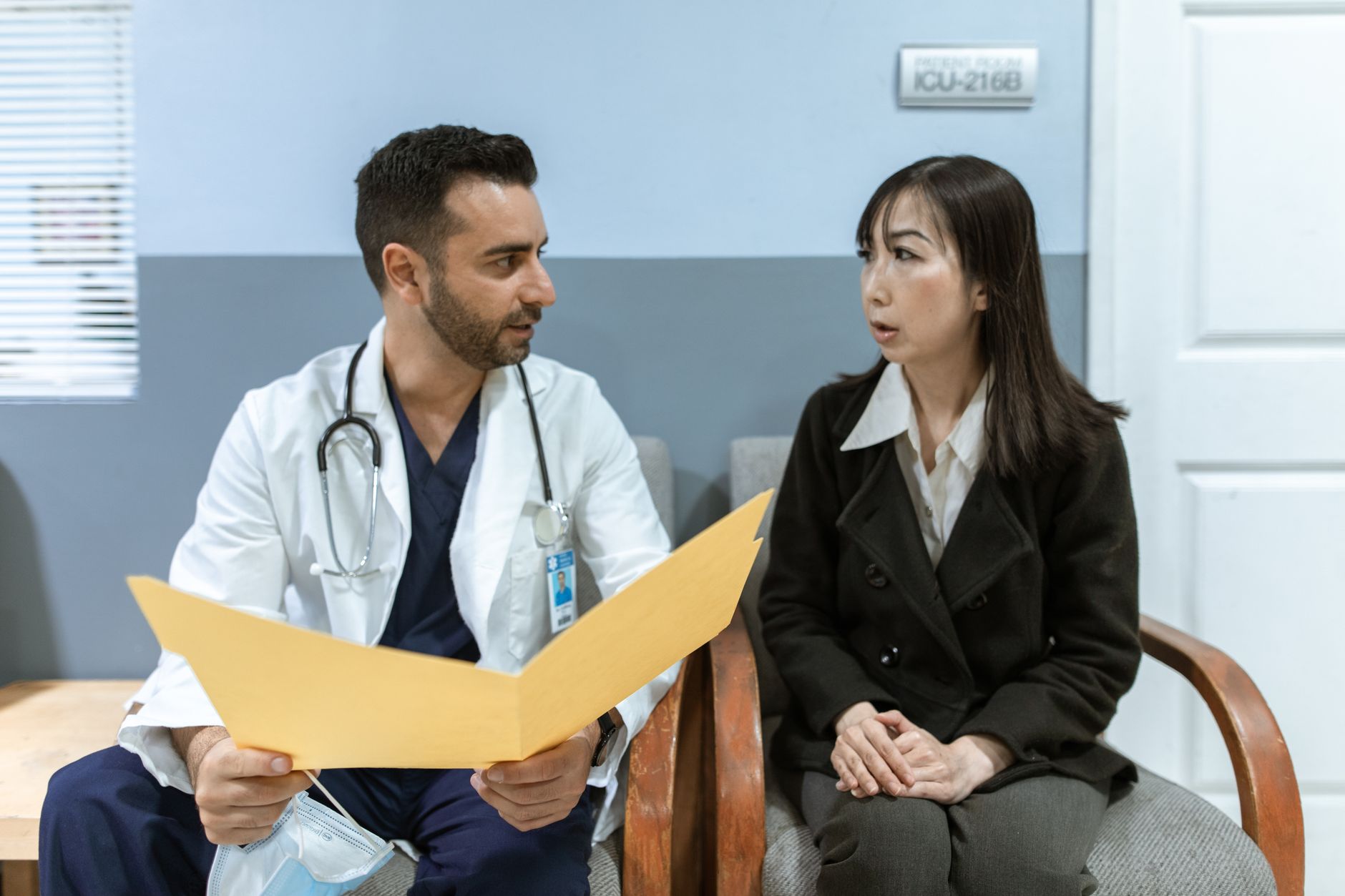
What is a Primary Care Physician? Your Health Navigator
Understand the central role of a PCP in managing your health, from prevention to chronic condition care.
Find Your PCP TodayKey Takeaways
- ✓ A Primary Care Physician (PCP) is your main doctor for general health needs.
- ✓ PCPs provide preventive care, diagnose common illnesses, and manage chronic conditions.
- ✓ They act as a central point for all your medical records and specialist referrals.
- ✓ Establishing a long-term relationship with a PCP improves health outcomes and reduces healthcare costs.
How It Works
Your PCP will conduct a comprehensive initial visit, reviewing your medical history, performing a physical exam, and discussing your health goals. This establishes a baseline for your personalized care plan.
Regular check-ups, vaccinations, and age-appropriate screenings are scheduled by your PCP to prevent illness and detect potential health issues early. They guide you on maintaining a healthy lifestyle.
When you're ill or have a new symptom, your PCP is the first point of contact for diagnosis and treatment of common conditions. They also manage ongoing chronic diseases, adjusting medications and lifestyle advice as needed.
Should you need specialized care, your PCP will refer you to appropriate specialists within your network. They coordinate care between providers, ensuring all aspects of your health are integrated and well-managed.
Understanding the Vital Role of a Primary Care Physician (PCP)
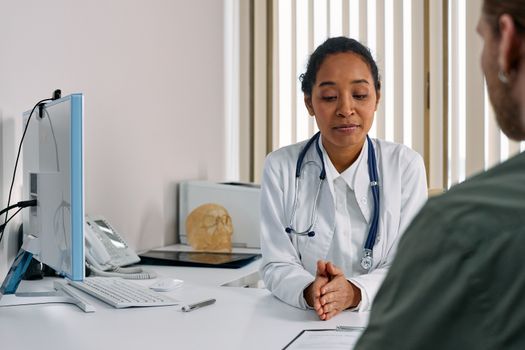 Photo: cottonbro studio / Pexels
The Diverse Specializations Within Primary Care
 Photo: Yusuf Çelik / Pexels
The Unquestionable Benefits of Having a Dedicated PCP
 Photo: Mikhail Nilov / Pexels
Choosing Your PCP: Tips for a Lasting Relationship
Comparison
| Feature | Primary Care Physician (PCP) | Specialist Doctor | Urgent Care Clinic |
|---|---|---|---|
| Scope of Care | Broad, general health; all ages (family med) or adults (internal med) | Narrow, specific body system or disease | Acute, non-life-threatening conditions |
| Relationship | Long-term, continuous, personal | Episodic, focused on specific issue | Episodic, transactional |
| Focus | Preventive care, chronic disease management, general wellness | Advanced diagnosis, specialized treatment, surgery | Immediate treatment of minor injuries/illnesses |
| Referral Needed | Often none (first point of contact) | Usually requires PCP referral (insurance dependent) | None |
| Cost-Effectiveness | Generally lower long-term costs due to prevention | Higher costs due to specialized services | Moderate, can be higher than PCP visit for same issue |
| Knowledge Depth | Broad medical knowledge across systems | Deep expertise in a single area | Limited to urgent, common conditions |
| Record Keeping | Centralized, comprehensive health history | Focused on specialty, shared with PCP | Limited, often not integrated with PCP |
What Readers Say
"My PCP has been instrumental in managing my diabetes. She takes the time to explain my treatment options, answers all my questions, and I feel truly cared for. Having her coordinate my specialists makes everything so much easier."
Sarah J. · Austin, TX"I never really understood what is a primary care physician until I found Dr. Evans. He caught my high blood pressure early, which likely saved me from bigger problems down the road. His preventive approach is fantastic."
Mark D. · Orlando, FL"Our family doctor is simply the best. She sees all three of my kids and my husband, so she knows our family's health history inside and out. It's so reassuring to have one person overseeing all our medical needs."
Emily R. · Denver, CO"While sometimes the wait times can be a bit long, the care I receive from my PCP is consistently excellent. He's very knowledgeable and always provides thoughtful, evidence-based advice. I appreciate his thoroughness."
David L. · Seattle, WA"Moving to a new city, finding a good PCP was a top priority. My new doctor helped me transition my prescriptions and set up all my routine screenings. It felt like I had a health advocate from day one."
Jessica P. · Chicago, ILFrequently Asked Questions
What is a primary care physician's main role?
A primary care physician's main role is to be your first and ongoing point of contact for general health needs. They provide preventive care, diagnose and treat common illnesses, manage chronic conditions, and coordinate your care with specialists when necessary. They focus on your overall well-being across your lifespan.
Do I really need a primary care physician if I feel healthy?
Yes, absolutely. Even if you feel healthy, having a PCP is crucial for preventive care, such as vaccinations and screenings, which can detect potential health issues before they become serious. They also serve as a medical home, maintaining your health records and providing continuity of care should you become ill or need specialist attention in the future.
How do I choose the best primary care physician for me?
To choose the best PCP, consider factors like their specialization (family medicine, internal medicine, pediatrics), their location and office hours, their communication style, hospital affiliations, and whether they are in your insurance network. Reading reviews and asking for referrals can also be very helpful in making an informed decision.
How much does a visit to a primary care physician cost?
The cost of a PCP visit varies widely based on your insurance plan, whether the doctor is in-network, and the type of visit (e.g., routine check-up vs. sick visit). Many insurance plans cover preventive visits at 100% with no co-pay. It's always best to check with your insurance provider for specific cost details.
What is the difference between a PCP and a specialist?
A PCP provides broad, general medical care for a wide range of conditions and focuses on overall health and prevention. A specialist, on the other hand, has deep expertise in a particular area of medicine (e.g., cardiology, dermatology) and treats specific conditions or body systems. You typically see a specialist after a referral from your PCP.
Who should have a primary care physician?
Virtually everyone should have a primary care physician, regardless of age or current health status. This includes infants, children, adolescents, adults, and seniors. A PCP provides essential foundational care, ensuring a consistent and proactive approach to health management for all individuals.
Are there any risks associated with not having a PCP?
Yes, there are several risks associated with not having a PCP. These include delayed diagnoses, fragmented care, increased reliance on more expensive urgent care or emergency room visits for non-emergencies, lack of preventive screenings, and poorer management of chronic conditions, all of which can lead to worse health outcomes and higher healthcare costs.
Will primary care physicians incorporate more telehealth in the future?
Yes, it is highly probable that primary care physicians will continue to incorporate and expand telehealth services in the future. The COVID-19 pandemic accelerated the adoption of virtual visits, proving their effectiveness for routine check-ups, medication management, and minor consultations, enhancing accessibility and convenience for patients.
Understanding what is a primary care physician is the first step toward taking control of your health. By choosing a dedicated PCP, you're not just finding a doctor; you're securing a lifelong health partner committed to your well-being, offering preventive care, expert guidance, and seamless coordination across all your medical needs. Make the smart choice for your health today and establish this vital relationship.