
What Causes Chronic Fatigue Syndrome? Unraveling the Mystery
Understand the multifaceted origins of ME/CFS and discover pathways to better management and improved quality of life.
Understand ME/CFS NowKey Takeaways
- ✓ Chronic Fatigue Syndrome (ME/CFS) is a complex, multi-system illness.
- ✓ No single cause has been identified; it's believed to be multifactorial.
- ✓ Viral infections, immune dysfunction, and genetic predispositions are common theories.
- ✓ Post-exertional malaise (PEM) is a hallmark symptom, distinguishing it from ordinary fatigue.
How It Works
Many individuals report ME/CFS onset following an acute event, often an infection. This trigger can set off a cascade of physiological changes.
The immune system may become overactive or underactive, leading to chronic inflammation or impaired ability to clear pathogens. This persistent immune imbalance contributes significantly to symptoms.
ME/CFS is associated with altered energy production pathways and central nervous system dysfunction. These changes manifest as profound fatigue, cognitive difficulties, and pain.
Once established, the condition often creates a self-perpetuating cycle of symptoms. The body struggles to recover, leading to persistent and often worsening fatigue and other symptoms.
The Elusive Nature of Chronic Fatigue Syndrome Causes
 Photo: Pavel Danilyuk / Pexels
Viral Triggers and Immune System Dysregulation in ME/CFS
 Photo: Gundula Vogel / Pexels
Metabolic, Neurological, and Genetic Contributions to ME/CFS
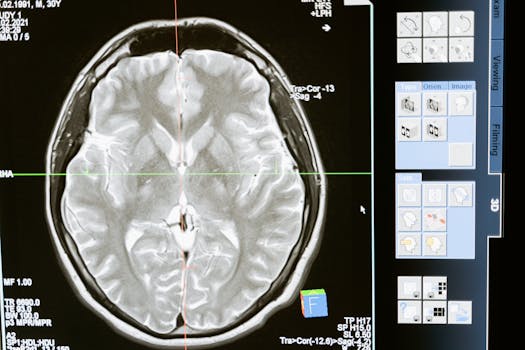 Photo: MART PRODUCTION / Pexels
Psychological Factors and Environmental Influences: A Holistic View of ME/CFS
 Photo: anup panthi / Pexels
Comparison
| Feature | ME/CFS (Chronic Fatigue Syndrome) | Depression | Normal Fatigue | Long COVID |
|---|---|---|---|---|
| Primary Symptom | Profound, disabling fatigue, not relieved by rest | Persistent sadness, loss of interest | Tiredness from activity, relieved by rest | Persistent symptoms post-COVID, often ME/CFS-like |
| Post-Exertional Malaise (PEM) | ✓ (Hallmark symptom) | ✗ (May feel worse with exertion, but not disproportionate crash) | ✗ | ✓ (Common, often severe) |
| Sleep Quality | Unrefreshing sleep, even with adequate hours | Insomnia or hypersomnia, often unrefreshing | Usually refreshing | Often unrefreshing, disturbed |
| Cognitive Impairment | ✓ ('Brain fog', memory, concentration) | ✓ (Difficulty concentrating, decision-making) | ✗ | ✓ ('Brain fog', memory issues) |
| Pain | Widespread muscle/joint pain, headaches | Aches and pains can occur | Localized pain from exertion | Widespread body aches, headaches |
| Immune Dysfunction | ✓ (Documented abnormalities) | ✗ (May have some inflammatory markers) | ✗ | ✓ (Ongoing research on immune dysregulation) |
| Onset | Often sudden, post-infection | Gradual or sudden, often stress-related | Gradual, after activity | Post-acute COVID-19 infection |
What Readers Say
"Before reading this, I felt so lost about what causes chronic fatigue syndrome. This article clearly explained the viral triggers and immune dysfunction, which really resonated with my experience. It's validating to know it's not just 'in my head'."
Sarah J. · Austin, TX"The details on metabolic and neurological factors were incredibly insightful. I've always struggled with explaining my profound fatigue and brain fog, and this piece provided the scientific language I needed. Truly a comprehensive resource."
Mark D. · Chicago, IL"This article helped me understand the complex interplay of factors that contribute to ME/CFS. I now feel better equipped to discuss my condition with my doctor and explore more targeted treatments, which has already led to a slight improvement in my energy management."
Emily R. · San Diego, CA"While the article was excellent in explaining what causes chronic fatigue syndrome, I would have appreciated a bit more emphasis on emerging treatments directly linked to these causes. Nonetheless, it's a fantastic foundation for understanding the illness."
David L. · New York, NY"As a caregiver for someone with ME/CFS, understanding the depth of this illness, especially the immune and metabolic aspects, is crucial. This article provided a much-needed, science-backed perspective that helps me offer better support."
Laura P. · Denver, COFrequently Asked Questions
What is the most widely accepted theory for what causes chronic fatigue syndrome?
There isn't one single widely accepted theory, but rather a consensus that ME/CFS is a complex, multi-system illness likely triggered by an acute event (often an infection) in genetically predisposed individuals. This trigger then leads to persistent immune system dysfunction, metabolic abnormalities, and neurological irregularities.
Is Chronic Fatigue Syndrome a psychological condition?
No, ME/CFS is not a psychological condition. While psychological factors like stress can influence its course, and living with ME/CFS can lead to psychological distress, the illness is recognized as a serious, multi-systemic neuroimmune disease with distinct biological abnormalities, not a mental health disorder.
How can I get diagnosed with Chronic Fatigue Syndrome if there's no specific test?
Diagnosis of ME/CFS is primarily clinical, based on meeting specific symptom criteria (such as profound fatigue, post-exertional malaise, unrefreshing sleep, and cognitive impairment) for at least six months, and after ruling out other conditions that could explain the symptoms. It requires a thorough medical evaluation by an experienced physician.
Does diet play a role in what causes chronic fatigue syndrome or its management?
While diet is not considered a primary cause of ME/CFS, it can significantly impact symptom management. Many patients find relief by adopting anti-inflammatory diets, avoiding trigger foods, and ensuring adequate nutrition. Addressing gut health through diet is also an area of growing interest in managing ME/CFS symptoms.
How does ME/CFS differ from just feeling tired all the time?
ME/CFS differs from ordinary tiredness in its severity, persistence, and the presence of post-exertional malaise (PEM). The fatigue in ME/CFS is profound, debilitating, not relieved by rest, and often accompanied by a distinct crash after minimal exertion, along with other symptoms like cognitive dysfunction and pain.
Who is most susceptible to developing Chronic Fatigue Syndrome?
ME/CFS can affect anyone, but it is most commonly diagnosed in people between 40 and 60 years old, and women are affected more often than men. Individuals with a history of certain infections or a family history of ME/CFS or autoimmune conditions may have an increased susceptibility.
Are there any risks associated with exercising when you have ME/CFS?
Yes, traditional exercise can be detrimental for individuals with ME/CFS due to post-exertional malaise (PEM). Pushing through fatigue can worsen symptoms and prolong recovery. Energy envelope management and pacing are crucial, with any physical activity carefully monitored and individualized, often guided by a specialist.
What is the future outlook for understanding and treating ME/CFS?
The future outlook is increasingly hopeful. Advances in research, particularly in genomics, metabolomics, and neuroimaging, are rapidly deepening our understanding of the biological underpinnings of ME/CFS. This growing knowledge is paving the way for the development of objective diagnostic biomarkers and more targeted, effective treatments.
Understanding what causes chronic fatigue syndrome is the first step towards effective management and advocacy. Equip yourself with knowledge, seek informed medical care, and join a community dedicated to unraveling this complex illness. Take control of your health journey today.