
What Are the Symptoms of a Heart Attack? Recognize the Signs
Quickly identify the critical indicators of a heart attack to ensure timely medical intervention and improve outcomes.
Learn the Signs NowKey Takeaways
- ✓ Heart attack symptoms can vary significantly between individuals, and even between men and women.
- ✓ Chest discomfort is the most common symptom for both men and women, but women may experience more subtle signs.
- ✓ Acting fast at the first sign of symptoms is crucial; delays can lead to permanent heart damage or death.
- ✓ Not all heart attacks present with sudden, crushing chest pain; some can be silent or mimic other conditions.
How It Works
Familiarize yourself with the primary indicators of a heart attack, such as chest pain, discomfort, and pressure. These are often the most recognized signs.
Learn about less common symptoms, including those more prevalent in women or older adults. These can include nausea, fatigue, and pain in other body parts.
If you or someone you know experiences any combination of these symptoms, especially if they are new or worsening, call emergency services immediately. Do not delay seeking help.
While recognizing symptoms is vital, actively managing risk factors like blood pressure, cholesterol, and diabetes can significantly reduce your heart attack risk.
Understanding the Urgent Signs of a Myocardial Infarction
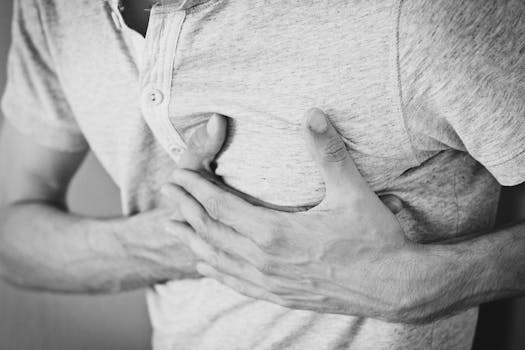 Photo: freestocks.org / Pexels
The Spectrum of Heart Attack Symptoms: Beyond Chest Pain
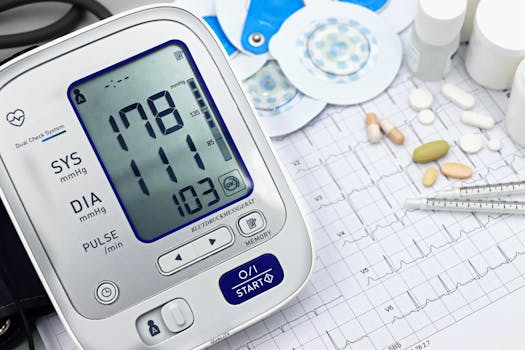 Photo: Marta Branco / Pexels
Gender Differences and Atypical Presentations of Heart Attack Symptoms
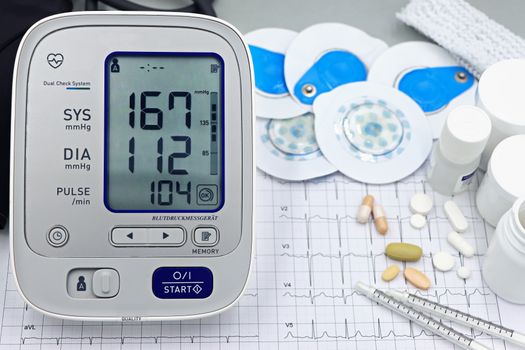 Photo: Marta Branco / Pexels
What to Do When You Suspect a Heart Attack: Immediate Action and Prevention Tips
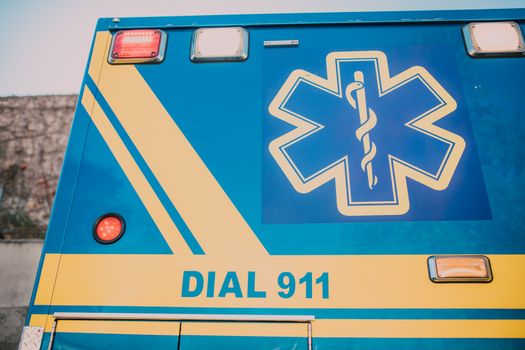 Photo: RDNE Stock project / Pexels
Comparison
| Symptom Category | Classic Male Presentation | Common Female Presentation | Atypical/Silent Presentation |
|---|---|---|---|
| Chest Discomfort | Crushing, squeezing pain, central/left chest | Pressure, tightness, dull ache, may be mild | Absent or mild discomfort |
| Pain Radiation | Left arm, jaw, back | Jaw, neck, back, stomach, both arms | Upper back or shoulder discomfort |
| Shortness of Breath | Often sudden and severe | May occur before or without chest pain | Mild breathlessness, unexplained |
| Other Symptoms | Cold sweat, nausea, lightheadedness | Unusual fatigue, sleep disturbance, nausea, indigestion | Dizziness, fainting, general weakness, confusion (especially older adults/diabetics) |
What Readers Say
"This article was incredibly helpful in understanding what are the symptoms of a heart attack, especially the differences for women. It made me realize that my persistent fatigue and jaw pain could be serious. Thank you for this vital information."
Sarah J. · Austin, TX"I thought I knew all about heart attack symptoms, but this expanded my knowledge significantly. The section on atypical presentations was eye-opening. Everyone needs to read what are the symptoms of a heart attack."
David M. · Chicago, IL"After reading this, I recognized several subtle symptoms my mother had been experiencing. We called 911, and it turned out to be a mild heart attack. This article literally helped save her life by explaining what are the symptoms of a heart attack."
Emily R. · Miami, FL"Good, comprehensive guide. While some parts were a bit technical, the breakdown of symptoms by gender was very valuable. I appreciate the emphasis on calling 911 immediately for what are the symptoms of a heart attack."
Mark T. · Seattle, WA"As a healthcare professional, I found this article to be an excellent resource for patient education. It covers the crucial aspects of what are the symptoms of a heart attack in an easy-to-understand yet thorough manner."
Jessica L. · Denver, COFrequently Asked Questions
What is the most common symptom of a heart attack?
The most common symptom of a heart attack for both men and women is chest discomfort, often described as pressure, squeezing, fullness, or pain in the center of the chest. This discomfort may last for more than a few minutes, or it may go away and come back, and it's crucial to differentiate it from sharp, momentary pain.
Can heart attack symptoms be different for women than for men?
Yes, heart attack symptoms can be different for women. While women can experience chest pain, they are more likely to have other symptoms like unusual fatigue, shortness of breath, nausea, vomiting, and pain in the back, neck, or jaw, often without intense chest discomfort.
What should I do if I suspect someone is having a heart attack?
If you suspect someone is having a heart attack, call 911 (or your local emergency number) immediately. Have the person sit or lie down and try to keep them calm. If they have prescribed nitroglycerin, help them take it. If they are not allergic to aspirin, and directed by dispatch, they can chew an adult-strength aspirin.
Are 'silent heart attacks' real?
Yes, 'silent heart attacks' are real and occur without the typical, noticeable symptoms. They are more common in people with diabetes or older adults due to nerve damage that can dull pain perception. Symptoms might be vague, like indigestion, fatigue, or general malaise, making them dangerous as they often go undiagnosed.
How quickly do I need to get medical help for heart attack symptoms?
You need to get medical help as quickly as possible. Every minute counts during a heart attack, as prompt treatment can minimize heart muscle damage and improve outcomes. Do not delay calling 911, even if you are unsure if your symptoms are severe enough.
Who should be most concerned about recognizing what are the symptoms of a heart attack?
Everyone should be concerned about recognizing heart attack symptoms, but individuals with risk factors like high blood pressure, high cholesterol, diabetes, a family history of heart disease, or those who smoke should be especially vigilant. Women and older adults also need to be aware of atypical presentations.
Is it safe to drive myself to the hospital during a heart attack?
No, it is generally not safe to drive yourself to the hospital during a heart attack. Calling 911 ensures that emergency medical personnel can begin treatment en route and manage any potential complications like cardiac arrest, which could occur while driving.
What is the future outlook for heart attack treatment and symptom recognition?
The future outlook for heart attack treatment involves continued advancements in rapid diagnostic tools, personalized medicine based on genetic profiles, and improved public education on atypical symptoms. Wearable technology may also play a role in early detection, leading to even faster intervention and better patient outcomes.
Understanding what are the symptoms of a heart attack is a critical step in protecting your health and the health of those around you. Don't wait for a crisis to learn these vital signs; educate yourself today and be prepared to act decisively when it matters most.