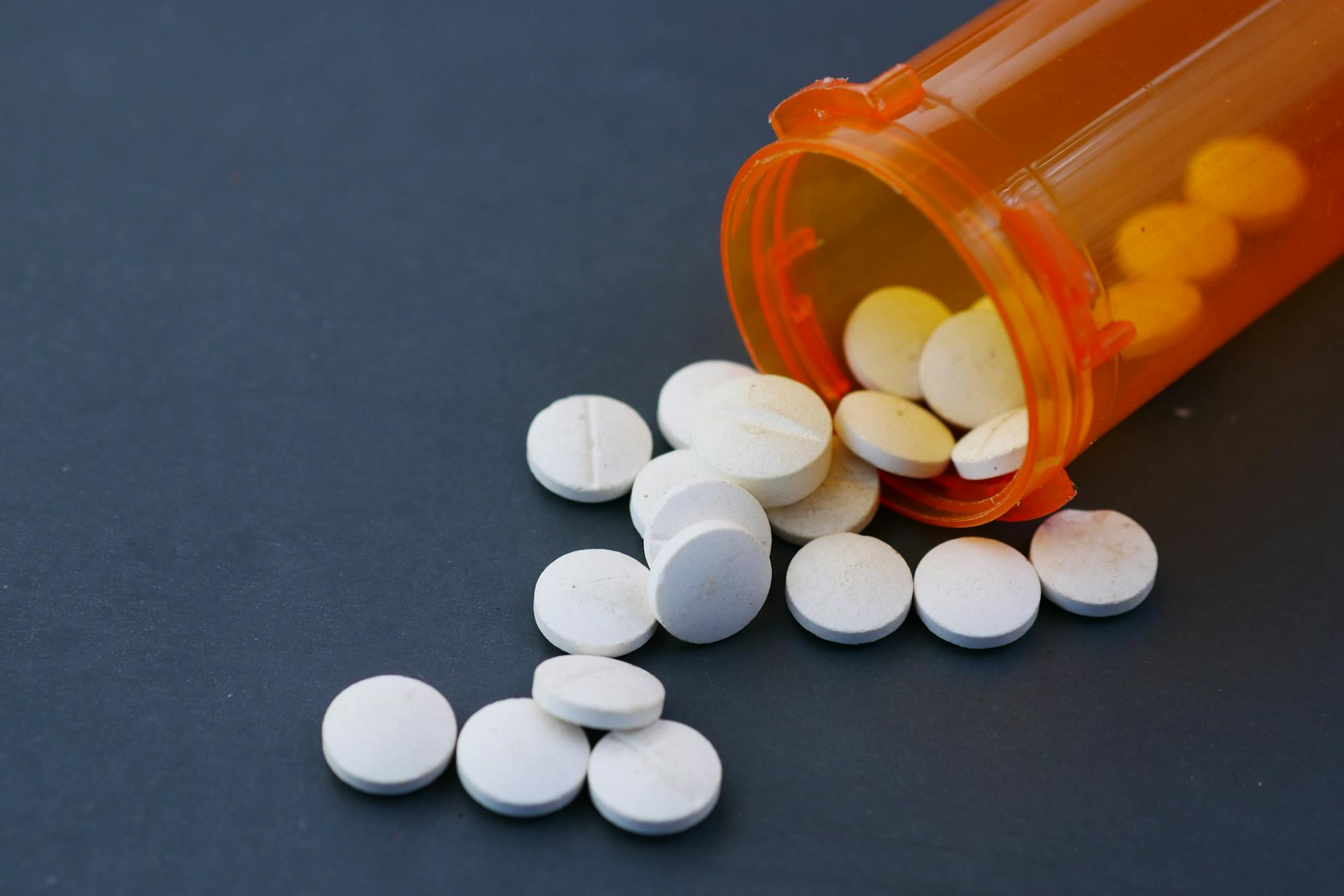
What Are the Side Effects of Statins? Your Guide to Safety
what are the side effects of statins

What Are the Side Effects of Statins? Your Guide to Safety

Navigate statin side effects with confidence, understanding common reactions and how to mitigate potential risks.

Learn More

Key Takeaways

  • ✓ Muscle pain and weakness are the most commonly reported side effects of statins, affecting 1-10% of users.
  • ✓ Serious side effects like rhabdomyolysis and liver damage are rare but require immediate medical attention.
  • ✓ Many perceived side effects are not directly caused by statins; a 'nocebo' effect can play a role.
  • ✓ Lifestyle changes, dosage adjustments, or switching statin types can often alleviate side effects.

How It Works

1
Understand Your Prescription

Before starting statins, discuss with your doctor why they are prescribed and what benefits to expect. Understand the specific type and dosage you're taking.

2
Monitor for Symptoms

Be vigilant for new or worsening symptoms after starting statins. Keep a symptom diary to track any changes in your body.

3
Communicate with Your Doctor

Report any unusual or concerning side effects to your healthcare provider promptly. Do not stop taking your medication without consulting them first.

4
Explore Management Strategies

Work with your doctor to explore solutions for side effects, such as dosage adjustments, switching statins, or incorporating lifestyle modifications.

Understanding Statin Medications and Their Purpose

Close-up of blue tablets spilling from an orange prescription bottle on a marble surface. Photo: Etatics Inc. / Pexels
Statins are a class of drugs widely prescribed to lower cholesterol levels in the blood. They work by inhibiting an enzyme called HMG-CoA reductase, which plays a central role in the production of cholesterol in the liver. By reducing the liver's ability to produce cholesterol, statins effectively decrease low-density lipoprotein (LDL) cholesterol, often referred to as 'bad' cholesterol, and triglycerides, while sometimes modestly increasing high-density lipoprotein (HDL) cholesterol, or 'good' cholesterol. The primary goal of statin therapy is to reduce the risk of cardiovascular diseases, including heart attacks and strokes, particularly in individuals with existing heart conditions or those at high risk due to factors like high cholesterol, diabetes, or a family history of heart disease. The benefits of statins in preventing these life-threatening events are well-established through extensive research and clinical trials, making them a cornerstone of modern cardiovascular prevention strategies. However, like all medications, statins can come with potential side effects, and understanding these is crucial for patients to make informed decisions and manage their health effectively. It's important to differentiate between common, mild side effects and rare, more serious adverse reactions. The decision to prescribe statins is always a careful balance between the significant cardiovascular benefits and the potential for side effects, tailored to each individual's health profile and risk factors. Patients are encouraged to have an open dialogue with their healthcare providers about their concerns and to report any symptoms they experience while on the medication. This collaborative approach ensures that the treatment plan remains optimal for their specific needs, maximizing the protective effects of statins while minimizing discomfort or risks. The efficacy of statins in reducing cardiovascular morbidity and mortality has transformed the landscape of preventive cardiology, offering a powerful tool against one of the leading causes of death worldwide. Yet, awareness of potential side effects empowers patients to be active participants in their treatment, leading to better adherence and overall health outcomes. The discussion around what are the side effects of statins is vital for patient education and safety, ensuring that individuals can confidently navigate their treatment journey.

Common Statin Side Effects: What to Expect

Person sitting on sofa, holding knee in pain. Indoor lifestyle health concept. Photo: Towfiqu barbhuiya / Pexels
While statins are generally well-tolerated by most people, a range of side effects can occur, with some being more common than others. The most frequently reported side effect is muscle pain, often described as soreness, tenderness, or weakness. This can range from mild discomfort to more significant pain that interferes with daily activities. The medical term for this is myalgia. While the exact mechanism isn't fully understood, it's thought to be related to statins' impact on muscle cell energy production. Gastrointestinal issues are also common, including nausea, diarrhea, constipation, or abdominal pain. These symptoms are usually mild and often resolve as the body adjusts to the medication. Headaches are another frequently reported side effect, along with dizziness. Some individuals may experience sleep disturbances, such as insomnia, though this is less common than muscle pain or GI issues. It's important to note that many of these common side effects are often mild and transient, meaning they may improve or disappear over time as your body adapts to the medication. The incidence of these side effects varies depending on the specific statin, the dosage, and individual patient factors. For instance, higher doses of statins tend to be associated with a slightly higher risk of side effects. Furthermore, factors like age, kidney function, and concomitant medications can influence an individual's susceptibility to statin side effects. It's crucial for patients to discuss any new or bothersome symptoms with their doctor. Sometimes, a simple adjustment in dosage, switching to a different type of statin, or even changing the time of day the medication is taken can alleviate these common issues without compromising the cholesterol-lowering benefits. Never stop taking your statin medication without consulting your healthcare provider, as this could increase your risk of cardiovascular events. Understanding what are the side effects of statins in their common manifestations allows for proactive management and informed decision-making, ensuring that the benefits of treatment continue to outweigh any potential discomfort. Open communication with your medical team is key to navigating these experiences successfully and maintaining your cardiovascular health.

Rare but Serious Statin Side Effects: When to Seek Help

Spacious hospital room with several empty beds and medical equipment, emphasizing healthcare and hygiene. Photo: Pixabay / Pexels
While most statin side effects are mild and manageable, there are rare instances of more serious adverse reactions that require immediate medical attention. One of the most concerning, though infrequent, side effects is rhabdomyolysis. This severe condition involves the rapid breakdown of muscle tissue, releasing muscle fiber contents into the bloodstream. These substances can damage the kidneys, potentially leading to kidney failure. Symptoms of rhabdomyolysis include severe muscle pain, tenderness, or weakness, often accompanied by dark-colored urine (tea-colored) and extreme fatigue. If you experience these symptoms, especially in conjunction with fever or nausea, it is imperative to seek emergency medical care without delay. Another rare but serious concern is liver damage. Statins can sometimes cause an increase in liver enzymes, which is usually mild and temporary, and often doesn't lead to actual liver damage. However, in rare cases, more significant liver injury can occur. Symptoms of liver problems include unusual fatigue or weakness, loss of appetite, upper abdominal pain, dark urine, and yellowing of the skin or eyes (jaundice). Your doctor will typically monitor your liver enzyme levels with blood tests before and during statin therapy to detect any issues early. Understanding liver health and statins is crucial for safe treatment. Additionally, there's a small but documented increased risk of developing type 2 diabetes in individuals taking statins, particularly in those who already have risk factors for the condition. While this risk is generally considered to be outweighed by the cardiovascular benefits for most patients, it's a factor your doctor will consider, especially if you are predisposed to diabetes. Neurological side effects, such as memory loss or confusion, have also been reported by some individuals, though these are rare and often reversible upon discontinuation of the drug. The link between statins and these cognitive issues is still being studied, and current evidence suggests it's not a widespread problem. It's vital to remember that these serious side effects are exceedingly rare. The vast majority of people taking statins experience significant cardiovascular protection with minimal or no adverse effects. However, being aware of what are the side effects of statins, particularly the serious ones, empowers you to recognize warning signs and seek timely medical intervention, which can be life-saving. Always maintain open communication with your healthcare provider about any unusual symptoms you experience.

Managing and Mitigating Statin Side Effects: Practical Tips

A female doctor consulting a patient in a modern medical office setting. Photo: cottonbro studio / Pexels
Effectively managing statin side effects often involves a collaborative approach between you and your healthcare provider. The first and most crucial step is open communication. If you experience any side effects, no matter how minor, report them to your doctor promptly. Do not discontinue your medication without medical advice, as this could put your cardiovascular health at risk. One common strategy for muscle pain is to try a different statin. Not all statins are the same; they have different chemical structures and metabolic pathways, meaning that a side effect experienced with one type might not occur with another. Your doctor might suggest switching from, for example, simvastatin to atorvastatin or rosuvastatin. Another approach is to adjust the dosage. Sometimes, a lower dose can achieve significant cholesterol reduction with fewer side effects. Your doctor might also recommend a less frequent dosing schedule, such as taking the statin every other day, which can be effective for some individuals. For gastrointestinal issues, taking the statin with food can often help alleviate nausea or stomach discomfort. If you experience sleep disturbances, taking the statin in the morning (if your specific statin allows) might be beneficial. Lifestyle modifications also play a significant role. Regular, moderate exercise can help improve muscle strength and reduce pain, but it's important to start slowly and listen to your body. A balanced diet rich in fruits, vegetables, and whole grains can support overall health and potentially mitigate some side effects. Some individuals explore supplements like Coenzyme Q10 (CoQ10) for muscle pain, though scientific evidence supporting its efficacy specifically for statin-induced myalgia is mixed and not universally recommended. Always consult your doctor before starting any new supplement, as it could interact with your medications. Your doctor might also conduct further tests to rule out other causes for your symptoms, as many conditions can mimic statin side effects. For instance, muscle pain can be caused by various factors unrelated to statins. Understanding what are the side effects of statins and having a proactive plan for their management ensures that you can continue to benefit from this vital medication while maintaining your quality of life. The goal is always to find the right balance for your individual health needs.

Comparison

Side Effect CategoryCommon (1-10%)Less Common (0.1-1%)Rare (<0.1%)
MusculoskeletalMuscle pain (myalgia), weaknessMuscle cramps, joint painRhabdomyolysis (severe muscle breakdown)
GastrointestinalNausea, diarrhea, constipation, abdominal painIndigestion, flatulencePancreatitis (inflammation of pancreas)
NeurologicalHeadache, dizzinessInsomnia, memory issuesPeripheral neuropathy (nerve damage)
Hepatic (Liver)Elevated liver enzymes (usually asymptomatic)Minor liver dysfunctionSignificant liver damage, jaundice
Metabolic---Increased blood sugar (risk of Type 2 Diabetes)---
OtherFatigueRash, allergic reactionsInterstitial lung disease

What Readers Say

"I was worried about what are the side effects of statins, but my doctor helped me find the right one. I had some mild muscle aches initially, but they subsided after a few weeks. My cholesterol is now perfectly managed."

Eleanor V. · Austin, TX

"After a heart scare, statins were recommended. I experienced some stomach upset, but taking it with dinner made a huge difference. It's a small price to pay for the peace of mind it gives me."

Robert S. · Miami, FL

"My doctor switched my statin type when I reported persistent muscle pain. The new one has no side effects for me, and my LDL has dropped significantly. Don't be afraid to speak up if something feels off."

Patricia L. · Denver, CO

"I've been on statins for years. While I sometimes get mild headaches, the benefits for my heart health far outweigh this minor inconvenience. Regular check-ups with my doctor help monitor everything."

David M. · Chicago, IL

"Initially, I was hesitant due to concerns about what are the side effects of statins. However, my cardiologist explained everything thoroughly. I've had no issues whatsoever and feel much more secure about my cardiovascular health."

Sophia N. · Seattle, WA

Frequently Asked Questions

What is the most common side effect of statins?

The most common side effect of statins is muscle pain, often described as soreness, tenderness, or weakness. This can range from mild discomfort to more significant pain. It's important to report any muscle symptoms to your doctor, as various strategies can help manage or alleviate them.

Can statins cause memory loss or confusion?

While rare, some individuals have reported memory loss or confusion while taking statins. The link is still being studied, and current evidence suggests it's not a widespread issue. If you experience cognitive changes, discuss them with your doctor, as these effects are often reversible upon discontinuation.

What should I do if I experience severe muscle pain on statins?

If you experience severe muscle pain, tenderness, or weakness, especially if accompanied by dark-colored urine or extreme fatigue, seek immediate medical attention. These could be symptoms of rhabdomyolysis, a rare but serious condition requiring urgent care.

Do statins increase the risk of diabetes?

Yes, statins have been associated with a small increased risk of developing type 2 diabetes, particularly in individuals who already have risk factors for the condition. However, for most patients, the cardiovascular benefits of statins outweigh this small risk. Your doctor will monitor your blood sugar levels.

Can I stop taking statins if I experience side effects?

No, you should never stop taking statins without consulting your healthcare provider. Abruptly discontinuing statins can increase your risk of heart attack or stroke. Your doctor can help you manage side effects by adjusting the dosage, switching to a different statin, or exploring other solutions.

Who should avoid taking statins?

Statins are generally avoided by pregnant or breastfeeding women, individuals with active liver disease, or those with certain rare muscle disorders. Your doctor will conduct a thorough medical history and tests to determine if statins are safe and appropriate for you.

Are there natural alternatives to statins for lowering cholesterol?

While lifestyle changes like diet and exercise are crucial for cholesterol management and can sometimes reduce the need for statins, they are not always sufficient for individuals with high cardiovascular risk. Some natural supplements exist, but none have demonstrated the same robust evidence for cardiovascular event reduction as statins. Always discuss alternatives with your doctor.

How long do statin side effects last?

Many common statin side effects, such as mild muscle aches or gastrointestinal issues, are often transient and may improve or disappear within a few weeks as your body adjusts to the medication. If side effects persist or worsen, it's crucial to consult your doctor for evaluation and potential adjustments to your treatment plan.

Understanding what are the side effects of statins is a crucial step in managing your cardiovascular health effectively. While potential side effects exist, the benefits of statins in preventing serious heart events are substantial. Always maintain open communication with your healthcare provider to ensure your treatment plan is tailored to your individual needs and discomforts are addressed promptly.

Topics: what are the side effects of statinsstatin riskscholesterol medication side effectsmuscle pain statinsstatin alternatives
Leo List
Brampton weed
Adultwork EstrelaBet Vai de Bet R7 Bet Betão Galera Bet Rainbet Bet9ja Shop SportyBet BetKing Sisal Loto Foot Hollywoodbets YesPlay Odibets RushBet Jugabet BetWarrior BetCity MSport betPawa Fortebet