Understanding Symptoms of a Heart Attack in Women
symptoms of a heart attack in women

Understanding Symptoms of a Heart Attack in Women

Empower yourself with knowledge: learn to identify the subtle yet critical signs of a heart attack in women.

Know the Signs Now

Key Takeaways

  • ✓ Women often experience different heart attack symptoms than men, making diagnosis more challenging.
  • ✓ Fatigue, shortness of breath, and nausea are common but often overlooked symptoms in women.
  • ✓ Chest pain is still a symptom for many women, but it may not be severe or the most prominent.
  • ✓ Delays in seeking medical attention are more common in women due to misinterpreting symptoms.

How It Works

1
Learn the Atypical Signs

Familiarize yourself with symptoms like unusual fatigue, back pain, jaw pain, and stomach discomfort, which are more prevalent in women. These can be easily mistaken for other conditions.

2
Recognize Risk Factors

Understand your personal risk factors for heart disease, including family history, high blood pressure, diabetes, and stress. Being aware helps you assess your vulnerability.

3
Act Swiftly, Even if Unsure

If you experience any concerning symptoms, even if subtle or intermittent, do not hesitate to call 911 immediately. Time is muscle, and prompt medical care is crucial.

4
Advocate for Yourself

Clearly communicate your symptoms to medical professionals, emphasizing any unusual or persistent discomfort. Be prepared to describe the onset, duration, and nature of your symptoms thoroughly.

The Unique Presentation of Female Heart Attack Symptoms

Woman resting on a couch with head bandaged, surrounded by medicine. Indoor recovery scene. Photo: https://kaboompics.com/ / Pexels
For decades, the classic image of a heart attack patient has been a man clutching his chest in excruciating pain. While this can certainly be the case for both sexes, it has led to a dangerous misconception: that heart attack symptoms are universal. The reality, particularly for women, is far more nuanced and, unfortunately, often overlooked. Women frequently experience heart attacks with symptoms that are less dramatic and more diffuse, leading to delayed diagnosis and treatment, and consequently, poorer outcomes. This difference in presentation isn't just anecdotal; it's rooted in physiological differences and how heart disease progresses in women versus men. For instance, women are more likely to have blockages in the smaller arteries that supply blood to the heart, a condition known as small vessel disease or microvascular dysfunction, which can manifest with different symptoms than blockages in the major coronary arteries. The most critical aspect to understand is that while some women do experience the classic chest pain, it's often not the primary or most severe symptom. Instead, they might report crushing fatigue that comes on suddenly and without explanation, or chronic, unexplained fatigue that persists for days or weeks. Shortness of breath, even at rest or with minimal exertion, is another common symptom that women often dismiss as aging or being out of shape. Nausea, vomiting, or indigestion-like pain can also be prominent, sometimes mistaken for acid reflux, a stomach bug, or the flu. Pain in the jaw, neck, back, or arm (either or both, not just the left) can also be a sign, often described as a dull ache rather than a sharp, localized pain. These symptoms can be intermittent, waxing and waning over several hours or even days, which further complicates recognition and leads to hesitation in seeking emergency care. The implications of these differences are profound. Women are more likely to be misdiagnosed or to delay seeking help because they don't recognize their symptoms as heart-related. This delay can have devastating consequences, as prompt treatment is vital to minimizing heart muscle damage during a heart attack. Healthcare providers also play a crucial role; awareness of these atypical presentations is essential to avoid misdiagnosis in the emergency room. Understanding these unique presentations is the first step in empowering women to recognize when something is wrong and to advocate for their health. It's about shifting the paradigm from a male-centric view of heart attacks to one that encompasses the full spectrum of how this life-threatening event can manifest in anyone. For more information on preventative measures, consider exploring resources on heart health and wellness.

Beyond Chest Pain: Recognizing the Subtle Warning Signs

Woman experiencing stomach pain and discomfort while lying in bed, portraying symptoms of illness. Photo: cottonbro studio / Pexels
While chest pain is the hallmark symptom for many heart attacks, its absence or subtle presentation in women is a key factor in delayed diagnosis. It's crucial to move beyond the cinematic image of a person clutching their chest. For women, chest discomfort might manifest as pressure, squeezing, fullness, or a dull ache, rather than sharp pain. It might even be felt more in the upper back, jaw, or stomach than in the chest itself. This diffuse and often less intense chest sensation can easily be dismissed as stress, anxiety, or indigestion, especially if it comes and goes. The insidious nature of these symptoms means that women may experience them for days or weeks leading up to an acute event, attributing them to other less serious conditions. One of the most frequently reported and often overlooked symptoms in women is unusual or unexplained fatigue. This isn't just feeling tired after a long day; it's an overwhelming, debilitating fatigue that comes on suddenly, without apparent cause, and interferes with daily activities. Simple tasks like making the bed or walking across a room can become exhausting. This fatigue might be accompanied by sleep disturbances, such as difficulty falling asleep or waking up feeling unrefreshed, even after adequate sleep. Another significant symptom is shortness of breath, which may occur with minimal exertion or even at rest. This can be mistaken for asthma, bronchitis, or simply being out of shape. However, if it's new, unusually severe, or accompanied by other symptoms, it warrants immediate attention. Nausea, vomiting, and abdominal pain are also common in women experiencing a heart attack. These gastrointestinal symptoms are often dismissed as food poisoning, a stomach bug, or acid reflux. However, if they are accompanied by other signs like sweating, lightheadedness, or discomfort in other areas, they should raise a red flag. Pain or discomfort in the jaw, neck, back, or arms (especially the left, but sometimes the right or both) can also indicate a heart attack. This pain might be a dull ache, a feeling of pressure, or even a burning sensation, rather than sharp or stabbing. Some women describe it as a feeling of tightness or a band around their upper back. Additionally, lightheadedness or dizziness, often accompanied by sweating, can be a symptom. This is particularly concerning if it occurs without a clear cause, such as standing up too quickly. Cold sweats, unrelated to physical activity or temperature, can also be a significant warning sign. It's important to remember that not all women will experience all these symptoms, and the severity can vary. The key is to be attuned to your body and recognize when something feels fundamentally 'off' or significantly different from your usual self. These subtle warning signs, when taken together, paint a clearer picture of a potential cardiac event and underscore the need for prompt medical evaluation.

Risk Factors and Why Women Are Different
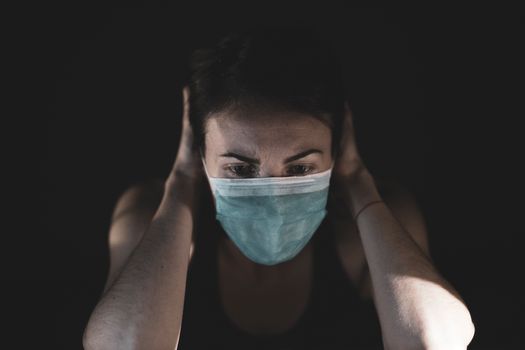
Adult woman wearing a face mask in a dark setting, expressing stress or worry. Photo: Engin Akyurt / Pexels
Understanding the risk factors for heart disease is crucial for both men and women, but it's particularly important for women to recognize how these factors might uniquely impact them. Traditional risk factors like high blood pressure, high cholesterol, diabetes, obesity, smoking, and a sedentary lifestyle apply to everyone. However, certain conditions and life stages specific to women can increase their cardiac risk profile. For instance, diabetes, while a risk factor for both sexes, tends to increase the risk of heart disease more significantly in women than in men, and it can also alter the presentation of heart attack symptoms, making them even more atypical or 'silent.' Autoimmune diseases, such as lupus and rheumatoid arthritis, are more prevalent in women and significantly increase the risk of heart disease. These conditions cause chronic inflammation that can damage blood vessels and contribute to atherosclerosis. Additionally, certain pregnancy complications are now recognized as independent risk factors for future heart disease in women. Preeclampsia, gestational diabetes, and preterm delivery can all signal an increased risk for cardiovascular issues later in life, sometimes decades after the pregnancy. Women who experienced these complications should be proactively monitored for heart health. Stress and depression also play a disproportionately significant role in women's heart health. Women are more likely to experience stress-induced cardiomyopathy, often referred to as 'broken heart syndrome,' where severe emotional stress leads to a sudden weakening of the heart muscle. Chronic stress and untreated depression can also contribute to unhealthy behaviors and physiological changes that elevate heart disease risk. The societal pressures and roles often placed on women can exacerbate these mental health factors, creating a complex interplay with physical health. Menopause is another critical period. Before menopause, estrogen provides some protection against heart disease. After menopause, as estrogen levels decline, women's risk of heart disease increases significantly, often catching up to and eventually surpassing that of men. This shift often occurs when women are already grappling with other age-related health concerns, making it easy to dismiss new symptoms as part of aging. Recognizing these unique risk factors and their implications is not about creating alarm but about fostering informed awareness. It empowers women and their healthcare providers to take a more personalized and proactive approach to cardiovascular health, emphasizing early screening, lifestyle modifications, and timely intervention. For more detailed insights into managing these risks, consider consulting a specialist in preventative cardiology.

When to Act: Don't Delay, Call 911

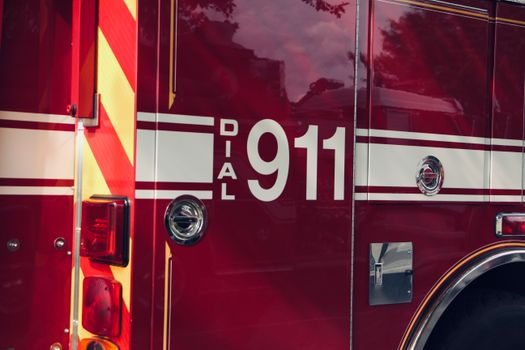
Close-up shot of a firetruck's door featuring the 911 emergency number. Photo: Ash H / Pexels
The most critical advice regarding symptoms of a heart attack in women is this: if you suspect a heart attack, do not hesitate, do not wait, and do not try to drive yourself to the hospital. Call 911 immediately. Time is muscle – every minute that passes without treatment means more heart muscle damage, which can lead to long-term complications, disability, or even death. Women, unfortunately, are more likely to delay seeking emergency care, often due to misinterpreting their symptoms, downplaying their severity, or feeling responsible for others before themselves. This delay is a significant factor in the higher mortality rates for women after a heart attack compared to men. Here are crucial tips for immediate action: * **Don't wait for classic chest pain:** As discussed, women often don't experience the 'Hollywood heart attack.' If you have unusual fatigue, shortness of breath, nausea, back pain, or jaw pain, especially if it's new, severe, or accompanied by sweating or lightheadedness, consider it an emergency. * **Trust your gut:** If something feels profoundly wrong or different from your usual self, even if you can't pinpoint the exact symptom, err on the side of caution. Your intuition can be a powerful indicator. * **Call 911, don't drive yourself:** Emergency medical services (EMS) personnel are trained to recognize and manage heart attack symptoms. They can start treatment on the way to the hospital, which can be life-saving. Driving yourself or having someone else drive you means delaying critical care and potentially putting others at risk if your condition worsens. * **Be clear with dispatchers and EMS:** When you call 911, clearly state your symptoms. When EMS arrives, describe everything you are feeling, even if it seems minor or unrelated. Mention if you've been feeling 'off' for days. Be your own advocate. * **Consider aspirin (if advised):** If you are conscious and not allergic to aspirin, and EMS instructs you to, chewing a regular-strength aspirin (325 mg) can help thin the blood and improve blood flow. However, always follow medical advice; don't self-medicate without guidance. * **Inform others:** If possible, let a family member, friend, or neighbor know what's happening. This can be helpful for support and to ensure someone else is aware of your situation. Remember, it's always better to be wrong and find out your symptoms are not a heart attack than to delay treatment for a real one. Healthcare professionals would much rather you come in for evaluation and find nothing serious than arrive too late. Your life depends on swift action.

Comparison

Symptom TypeCommon in Men (Classic)Common in Women (Often Atypical)Urgency Level
Chest PainSevere, crushing, central chest pain, often radiating to left armMild pressure, squeezing, fullness, or ache; may be felt in upper back/jaw/stomach; less intenseImmediate
FatigueLess common as primary symptomSudden, overwhelming, unexplained exhaustion; can be primary symptomHigh
Shortness of BreathOften accompanies chest painMay occur with minimal exertion or at rest, without chest painImmediate
Nausea/VomitingOccasional, often secondaryFrequent, mistaken for flu/indigestion; can be primary symptomHigh
Arm PainTypically left arm, sometimes down the armEither arm, both arms, or general arm discomfort; less specificHigh
Jaw/Back/Neck PainLess common as primary symptomCommon, often dull ache or pressure; can be primary symptomHigh
Sweating/DizzinessOften accompanies severe chest painCold sweats, lightheadedness without clear cause; can be primary symptomImmediate

What Readers Say

"This article was life-changing. I always thought a heart attack meant crushing chest pain, but I had severe fatigue and jaw pain for days. After reading this, I went to the ER, and they found a blockage. Thank you for making me aware of the symptoms of a heart attack in women."

Sarah J. · Austin, TX

"My mother experienced what she thought was just indigestion for hours, accompanied by unusual sweating. This article perfectly describes how women often miss these critical signs. It's a must-read for every woman."

Emily R. · Chicago, IL

"I had a heart attack last year, and my main symptom was extreme shortness of breath and upper back pain, not chest pain. Doctors initially thought it was anxiety. This resource accurately captures the reality of symptoms of a heart attack in women, which could save lives."

Maria C. · Miami, FL

"While incredibly informative, I wish there was more emphasis on how common stress is as a trigger for women. Still, the detailed breakdown of atypical symptoms like fatigue and nausea was very helpful and eye-opening."

Jessica L. · Seattle, WA

"As a healthcare professional, I constantly remind my female patients about these differences. This article is a fantastic, comprehensive summary that I will be recommending. It clearly outlines the often-subtle symptoms of a heart attack in women."

Linda P. · Denver, CO

Frequently Asked Questions

What are the most common symptoms of a heart attack in women?

The most common symptoms of a heart attack in women include unusual or extreme fatigue, shortness of breath, pain or discomfort in the neck, jaw, upper back, or stomach, and nausea or vomiting. While chest pain can occur, it's often not the most prominent or severe symptom, presenting more as pressure or fullness.

Why do women's heart attack symptoms differ from men's?

Women's heart attack symptoms can differ due to physiological differences, including smaller coronary arteries and a higher likelihood of microvascular disease. Hormonal factors, particularly the decline in estrogen after menopause, also play a role, influencing how heart disease progresses and manifests.

What should I do if I suspect I'm having a heart attack?

If you suspect you are having a heart attack, call 911 immediately. Do not attempt to drive yourself to the hospital. Emergency medical personnel can begin treatment on the way, which is crucial for minimizing heart muscle damage and improving outcomes.

Are there any specific risk factors for heart disease unique to women?

Yes, specific risk factors for women include certain pregnancy complications like preeclampsia and gestational diabetes, autoimmune diseases (e.g., lupus), and the hormonal changes during and after menopause. Stress and depression also tend to impact women's heart health more significantly.

Can women have a 'silent' heart attack?

Yes, women are more prone to 'silent' heart attacks, where symptoms are so mild or atypical that they are not recognized as a heart attack. These can still cause significant heart damage and increase the risk of future cardiac events, highlighting the importance of understanding subtle signs.

Who should be most concerned about symptoms of a heart attack in women?

All women should be aware, but those with existing risk factors such as high blood pressure, high cholesterol, diabetes, obesity, a family history of heart disease, or a history of pregnancy complications should be particularly vigilant and discuss their risk with their doctor.

Is stress a major contributor to heart attacks in women?

Yes, stress is a significant contributor. Women are more susceptible to stress-induced cardiomyopathy (broken heart syndrome), and chronic stress and depression can significantly increase the risk of heart disease by impacting blood pressure, inflammation, and lifestyle choices.

How can awareness of these symptoms impact future heart disease outcomes for women?

Increased awareness of the atypical symptoms of a heart attack in women can lead to earlier recognition, prompt medical attention, and more accurate diagnoses. This can significantly improve treatment outcomes, reduce heart muscle damage, and ultimately save lives by ensuring women receive the care they need without delay.

Empower yourself and the women in your life by understanding the critical symptoms of a heart attack in women. Don't wait for the 'classic' signs; recognize the subtle warnings and act swiftly. Your knowledge and quick action can make all the difference in a medical emergency.

Topics: symptoms of a heart attack in womenfemale heart attack signswomen's cardiac arrest symptomsheart disease in womenatypical heart attack symptoms
Leo List

IE Escorts NO Escorts US Escorts NZ Escorts AU Escorts
Brampton weed
Adultwork EstrelaBet Vai de Bet R7 Bet Betão Galera Bet Rainbet Bet9ja Shop SportyBet BetKing Sisal Loto Foot Hollywoodbets YesPlay Odibets RushBet Jugabet BetWarrior BetCity MSport betPawa Fortebet