✓ Dehydration occurs when you use or lose more fluid than you take in, and your body doesn't have enough water and other fluids to carry out its normal functions.
✓ Thirst is often a late sign of dehydration; by the time you feel thirsty, you may already be mildly dehydrated.
✓ Elderly individuals and those with chronic illnesses are at higher risk for dehydration.
✓ Severe dehydration is a medical emergency and requires immediate professional attention.
How It Works
1
Understand Your Body's Needs
Learn how much water your body typically requires based on your activity level, climate, and health conditions. This foundational knowledge helps you proactively manage your hydration.
2
Monitor Daily Fluid Intake
Consciously track how much water and other hydrating fluids you consume throughout the day. Using a water bottle with measurements or a tracking app can be highly beneficial.
3
Recognize Early Warning Signals
Pay close attention to subtle changes in your body, such as slight fatigue, altered urine color, or infrequent urination. Early detection allows for prompt rehydration and prevents progression.
4
Respond Promptly to Symptoms
If you notice any signs of dehydration, immediately increase your fluid intake with water or electrolyte-rich drinks. For severe symptoms, seek medical advice without delay.
Understanding the Early Signs of Dehydration in Adults
Photo: Jahra Tasfia Reza / Pexels
Dehydration is a state where your body doesn't have enough fluids to function properly. While often associated with extreme heat or intense exercise, it can occur subtly in everyday life, making it crucial to recognize the early signs of dehydration in adults. Many people mistakenly believe that thirst is the first indicator, but by the time you feel thirsty, your body may already be experiencing mild dehydration. Understanding these initial cues can help you replenish fluids before the situation escalates.
One of the most common and often overlooked early signs is a change in urine color. Healthy, well-hydrated urine should be a pale yellow, almost clear. If your urine is dark yellow or amber, it's a strong indicator that you need to drink more water. This is because your kidneys are working harder to conserve water, leading to a more concentrated urine output. Another subtle sign is infrequent urination or reduced urine output. If you notice you're not needing to use the restroom as often as usual, or if the volume of urine is less, it could be a sign your body is holding onto fluids.
Fatigue and mild headaches are also common early indicators. When your body is dehydrated, blood volume decreases, which can lead to a drop in blood pressure and reduced blood flow to the brain. This can manifest as a persistent, dull headache or a general feeling of sluggishness and low energy, even if you’ve had adequate sleep. These symptoms are often dismissed as everyday tiredness, but they warrant consideration of your fluid intake. Additionally, dry mouth and sticky saliva are classic early signs. Your salivary glands require sufficient fluid to produce saliva; when fluid levels drop, your mouth feels parched and your saliva becomes thicker.
Beyond these physical symptoms, cognitive functions can also be affected. Even mild dehydration can impair concentration, memory, and mood. You might find yourself feeling irritable, struggling to focus on tasks, or experiencing difficulty with short-term memory. This is due to the impact of fluid imbalance on brain function. It’s a good practice to proactively drink water throughout the day, rather than waiting for these symptoms to appear. Carrying a water bottle and sipping from it regularly can make a significant difference. Pay attention to your body, especially during periods of increased physical activity, illness, or warmer weather, as these conditions can accelerate fluid loss. Regular monitoring of these subtle signs empowers you to take corrective action promptly, preventing the progression to more severe dehydration. For more information on maintaining overall health, consider exploring resources on preventative health measures.
Moderate Dehydration Symptoms and Their Impact
Photo: Towfiqu barbhuiya / Pexels
As dehydration progresses from mild to moderate, the symptoms become more pronounced and can significantly impact your daily functioning and overall well-being. Recognizing these escalated signs is crucial for timely intervention, as prolonged moderate dehydration can lead to more serious health issues. While early signs might be dismissed, moderate dehydration often presents with symptoms that are harder to ignore and demand attention.
Persistent thirst is a clear indicator that your body is in need of fluids, and at this stage, it's usually quite noticeable. Coupled with this, you might experience a significant decrease in urine output, or your urine may become very dark amber. This is your kidneys' attempt to conserve every last drop of fluid, signaling a more serious fluid deficit than just mild dehydration. Beyond just a dry mouth, your skin might start to show signs of dehydration. When pinched, dehydrated skin may tent (remain elevated) for a few seconds rather than springing back immediately. This decreased skin turgor is a classic sign of moderate fluid loss, indicating that your body’s tissues are losing their plumpness and elasticity due to lack of water.
Increased fatigue and weakness are also prominent features of moderate dehydration. The reduced blood volume and electrolyte imbalances can make you feel profoundly tired, weak, and unable to perform normal activities. You might experience dizziness or lightheadedness, especially when standing up quickly. This orthostatic hypotension occurs because your blood pressure drops due to insufficient fluid volume, making it harder for your body to maintain blood flow to the brain against gravity. These dizzy spells can be alarming and increase the risk of falls, particularly in older adults.
Muscle cramps can also develop as dehydration progresses. Water plays a vital role in electrolyte balance, and when fluid levels drop, the balance of electrolytes like sodium, potassium, and magnesium can be disrupted. This imbalance can interfere with normal muscle function, leading to painful and involuntary muscle spasms. Furthermore, a rapid heartbeat is another concerning symptom. Your heart has to work harder to pump the reduced volume of blood throughout your body, leading to an elevated heart rate. This increased strain on the cardiovascular system underscores the seriousness of moderate dehydration.
Digestive issues, such as constipation, can also become more apparent. Water is essential for maintaining the fluidity of stool and promoting regular bowel movements. When dehydrated, the body absorbs more water from the colon, leading to harder stools and difficulty passing them. It's imperative to address moderate dehydration by steadily consuming water and electrolyte-rich fluids, and to seek medical advice if symptoms persist or worsen, as the body's compensatory mechanisms are becoming strained.
Recognizing Severe Dehydration: A Medical Emergency
Photo: Andrea Piacquadio / Pexels
Severe dehydration is a critical medical emergency that requires immediate professional attention. At this stage, the body's compensatory mechanisms are overwhelmed, and vital organs begin to suffer significant impairment. Failing to recognize and treat severe dehydration promptly can lead to life-threatening complications, including shock, kidney failure, and brain damage. It's crucial for everyone to be aware of these extreme indicators, particularly when caring for vulnerable populations like the elderly or young children.
One of the most alarming signs of severe dehydration is extreme thirst, often accompanied by a complete lack of urination or very dark, concentrated urine. The body is in such a dire state of fluid depletion that it can no longer produce adequate urine. Mental confusion and disorientation are also prominent. The brain is highly sensitive to fluid and electrolyte imbalances, and severe dehydration can lead to significant cognitive impairment, making it difficult for an individual to think clearly, recognize people or places, or even speak coherently. This can progress to lethargy, unresponsiveness, and even loss of consciousness, indicating a critical impact on brain function.
Physical signs become much more dramatic. Sunken eyes are a classic indicator, as the fluid loss causes the tissues around the eyes to recede. The skin will be extremely dry and inelastic; when pinched, it will tent up and remain elevated for an extended period, sometimes for several seconds, demonstrating severe loss of skin turgor. Blood pressure will drop significantly, leading to a weak and rapid pulse. The heart struggles immensely to circulate what little blood volume remains, leading to a dangerously elevated heart rate and potentially irregular heart rhythms. Peripheral circulation may also be compromised, resulting in cool, clammy skin and pale or mottled extremities, as the body prioritizes blood flow to vital organs.
Electrolyte imbalances become profound in severe dehydration, leading to severe muscle cramps, weakness, and even seizures. These imbalances can disrupt nerve impulses and muscle contractions throughout the body. In some cases, individuals may experience a fever, as the body's ability to regulate temperature is compromised without adequate fluid. Breathing can become rapid and shallow as the body tries to compensate for metabolic changes. Infants and young children may also exhibit a sunken soft spot (fontanelle) on their heads, which is a critical sign in that age group.
If you suspect someone is experiencing severe dehydration, do not attempt to give them large amounts of water orally, as this can sometimes be dangerous due to electrolyte imbalances or the risk of aspiration if they are disoriented. Instead, call 911 or seek immediate emergency medical care. Intravenous fluids are often necessary to rapidly replenish lost fluids and electrolytes and stabilize the patient's condition. Understanding these severe signs is not just about recognizing an illness; it's about potentially saving a life. For further resources on maintaining hydration and general wellness, consider consulting this guide on essential health habits.
Preventing Dehydration: Practical Tips and Common Mistakes
Photo: Ron Lach / Pexels
Preventing dehydration is far simpler and safer than treating it. By adopting proactive habits and understanding common pitfalls, you can maintain optimal hydration levels and avoid the discomfort and dangers associated with fluid depletion. It's not just about drinking water when you're thirsty; it's about consistent, mindful hydration throughout your day.
**Practical Tips for Staying Hydrated:**
* **Drink Consistently:** Don't wait until you're thirsty. Sip water throughout the day, even if you don't feel a strong urge. Set reminders on your phone or use a dedicated water tracking app.
* **Carry a Water Bottle:** Make it easy to drink water by having a reusable bottle with you at all times. Seeing it serves as a constant reminder.
* **Hydrating Foods:** Incorporate water-rich fruits and vegetables into your diet. Cucumbers, watermelon, oranges, and strawberries have high water content and contribute significantly to your daily fluid intake.
* **Electrolyte Replenishment:** During intense exercise, illness (especially with vomiting or diarrhea), or prolonged exposure to heat, consider electrolyte-rich drinks or oral rehydration solutions. These help replace essential minerals lost through sweat or illness.
* **Monitor Urine Color:** Make a habit of checking your urine color. Aim for a pale yellow to clear color as an indicator of good hydration.
* **Adjust for Activity and Environment:** Increase your fluid intake during hot weather, vigorous exercise, or when flying, as these conditions increase fluid loss.
* **Pre-hydrate and Re-hydrate:** Drink water before, during, and after physical activity or exposure to dehydrating environments.
**Common Mistakes to Avoid:**
* **Ignoring Thirst:** As mentioned, thirst is a late sign. Relying solely on thirst means you're already behind on your fluid needs.
* **Over-relying on Caffeinated or Sugary Drinks:** While these contain water, caffeine can act as a diuretic, increasing urine output, and high sugar content can actually draw water from your body in the digestive process. They are not effective hydration tools.
* **Underestimating Fluid Needs During Illness:** Fevers, vomiting, and diarrhea can rapidly lead to dehydration. Aggressively rehydrating with water and electrolytes is crucial during these times.
* **Not Adjusting for Age:** Older adults often have a diminished sense of thirst and may be on medications that increase urination. They require a more conscious effort to stay hydrated.
* **Binge Drinking Water:** Drinking a large amount of water all at once is less effective than consistent sipping and can, in rare cases, lead to hyponatremia (low sodium levels), especially if not balanced with electrolytes. Spread your intake throughout the day.
* **Forgetting About Medications:** Some medications, such as diuretics, can increase fluid loss. If you're on such medications, discuss your hydration needs with your doctor.
By being mindful of these tips and avoiding common mistakes, you can effectively prevent dehydration and support your overall health and well-being. Proactive hydration is a simple yet powerful tool for a healthier life.
Comparison
Symptom Category
Mild Dehydration
Moderate Dehydration
Severe Dehydration
Thirst Level
Slightly thirsty
Noticeably thirsty
Extremely thirsty (or absent in severe cases)
Urine Color/Output
Dark yellow, slightly reduced
Dark amber, significantly reduced
Very dark/absent, little to no output
Energy/Mood
Mild fatigue, slight irritability
Pronounced fatigue, weakness, dizziness
Lethargy, confusion, unresponsiveness
Oral/Skin Signs
Dry mouth, sticky saliva
Dry mouth, reduced skin turgor
Very dry mouth, sunken eyes, tenting skin
Heart Rate
Normal to slightly elevated
Elevated, rapid pulse
Rapid, weak pulse
Blood Pressure
Normal
Slightly low (orthostatic hypotension)
Significantly low (shock)
What Readers Say
★★★★★
"This article was incredibly eye-opening. I always thought thirst was the only sign, but realizing my frequent headaches and fatigue could be early signs of dehydration in adults has changed my daily habits. I'm drinking so much more water now!"
Sarah J. · Austin, TX
★★★★★
"As someone who works outdoors, understanding the progression from mild to severe dehydration symptoms is vital. This guide clearly laid out the signs, especially the skin turgor test, which I've found helpful for quick self-assessment."
Mark D. · Miami, FL
★★★★★
"My elderly mother often forgets to drink water. After reading this, I'm much better equipped to look for the subtle signs of dehydration in adults, like her increased confusion, and ensure she stays hydrated. It's made a real difference."
Emily R. · Chicago, IL
★★★★★
"The information on electrolyte balance during exercise was particularly useful. While I try to drink enough, sometimes I still feel rundown after a long hike. The tips here helped me understand why and how to prevent it next time."
David L. · Denver, CO
★★★★★
"I used to think my afternoon slump was just normal. This article on signs of dehydration in adults helped me connect it to my poor water intake. Now, I make it a point to drink a glass of water every hour, and my energy levels are much more consistent."
Jessica T. · Seattle, WA
Frequently Asked Questions
What is the most accurate early sign of dehydration in adults?
While thirst is a common indicator, a more accurate early sign is often a change in urine color to dark yellow or amber, or decreased frequency of urination. By the time you feel thirsty, you are usually already mildly dehydrated. Other early signs include mild fatigue, dry mouth, and slight headaches.
Can dehydration affect my mood and concentration?
Yes, even mild dehydration can significantly impact cognitive function. It can lead to irritability, difficulty concentrating, impaired short-term memory, and reduced overall mood. Staying properly hydrated is crucial for optimal brain function and mental well-being.
How much water should an adult drink daily to avoid dehydration?
The general recommendation is about eight 8-ounce glasses (around 2 liters) of water per day, but this can vary greatly. Factors like activity level, climate, overall health, and diet influence individual fluid needs. It's best to listen to your body and drink consistently throughout the day.
Are sports drinks better than water for preventing dehydration?
For most daily activities, plain water is sufficient and the best choice. Sports drinks are designed to replenish electrolytes and carbohydrates lost during intense, prolonged exercise (typically over an hour). For casual hydration, their added sugars and calories are often unnecessary and can be detrimental.
What's the difference between dehydration and heatstroke?
Dehydration is a fluid imbalance where the body lacks enough water. Heatstroke is a severe heat-related illness that occurs when the body overheats and can't cool itself, often exacerbated by dehydration. While dehydration can contribute to heatstroke, heatstroke is a distinct and more dangerous condition that can be life-threatening and requires immediate medical attention.
Who is most at risk for dehydration?
Elderly individuals, infants and young children, athletes, people with chronic illnesses (like diabetes or kidney disease), and those working or exercising in hot climates are at higher risk for dehydration. Their bodies may have a reduced ability to conserve water, a diminished sense of thirst, or increased fluid loss.
Is it possible to over-hydrate or drink too much water?
While less common than dehydration, it is possible to drink too much water, a condition known as hyponatremia. This occurs when sodium levels in the blood become dangerously low due to excessive water intake, especially without adequate electrolyte replenishment. Symptoms can include nausea, headaches, confusion, and in severe cases, seizures and coma. It's crucial to balance fluid intake with electrolyte levels, particularly during prolonged physical activity.
What role do foods play in hydration?
Foods contribute significantly to your daily fluid intake. Many fruits and vegetables, such as watermelon, cucumbers, oranges, and lettuce, have a very high water content and can help you stay hydrated. Incorporating these into your diet is an excellent way to supplement your water intake and provide essential nutrients.
Understanding the signs of dehydration in adults is a critical step towards proactive health management. Don't wait for extreme thirst; learn to recognize the subtle cues your body sends. Prioritize consistent hydration to maintain optimal physical and cognitive function, and remember that for severe symptoms, immediate medical attention is paramount. Make hydration a cornerstone of your daily wellness routine.

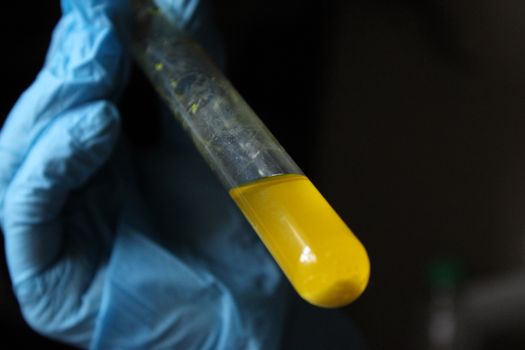 Photo: Jahra Tasfia Reza / Pexels
 Photo: Towfiqu barbhuiya / Pexels
 Photo: Andrea Piacquadio / Pexels
 Photo: Ron Lach / Pexels