✓ Multiple test types (PCR, Rapid Antigen) are available, each with different accuracy and turnaround times.
✓ Testing locations include pharmacies, urgent care centers, community sites, and private labs.
✓ Appointments are often required and can be booked online or by phone.
✓ Preparation for your test, including avoiding certain foods or nasal sprays, can impact accuracy.
How It Works
1
Identify Your Need
Determine why you need a COVID test (symptoms, exposure, travel, event) as this influences the test type and urgency. Consider any specific requirements from your employer or travel destination.
2
Locate Testing Sites
Use online search tools, state health department websites, or pharmacy locators to find convenient testing centers. Filter by test type, appointment availability, and cost.
3
Book Your Appointment
Visit the chosen site's website or call their number to schedule your test. Provide necessary personal and insurance information, and confirm any pre-test instructions.
4
Prepare & Test
Follow all instructions given by the testing site, such as bringing ID or refraining from eating/drinking before certain tests. Arrive on time for your appointment and follow staff guidance.
Understanding Why and When to Get Tested for COVID-19
Photo: Diva Plavalaguna / Pexels
The decision to schedule a COVID test appointment often stems from various personal and public health considerations. Knowing when and why to get tested is the crucial first step in navigating the testing landscape effectively. The most common reasons include experiencing symptoms consistent with COVID-19, such as fever, cough, shortness of breath, fatigue, muscle aches, headache, sore throat, congestion, runny nose, nausea, vomiting, or diarrhea, and a new loss of taste or smell. If you've been in close contact with someone who has tested positive for COVID-19, even if you are asymptomatic, testing is highly recommended to prevent further spread, especially if you are unvaccinated or immunocompromised. Exposure guidelines from the Centers for Disease Control and Prevention (CDC) typically recommend testing at least 5 full days after your last exposure. However, if symptoms develop sooner, you should test immediately. For individuals who are fully vaccinated and boosted, the recommendations might vary slightly, but generally, testing after exposure or with symptoms remains a prudent measure. Many workplaces, schools, and travel destinations also mandate testing. Before traveling internationally or domestically, check the specific entry requirements of your destination, as these can change frequently and often specify a particular test type (e.g., PCR) and a timeframe for testing (e.g., within 72 hours of departure). Similarly, some events, concerts, or large gatherings may require proof of a negative test result for entry. Understanding these diverse triggers for testing helps you select the appropriate type of test and timeline. For instance, if you need a rapid result for travel, an antigen test might be suitable, but if your destination requires a highly sensitive test, a PCR would be necessary. Consulting public health guidelines from your local health department or the CDC is always advisable to stay informed about the latest recommendations. Proactive testing, even without symptoms or known exposure, can also be a valuable tool for public health surveillance, helping to identify asymptomatic cases and curb community transmission. Ultimately, making an informed decision about when to schedule a COVID test appointment is a critical step in protecting yourself and those around you.
Navigating Test Types: PCR, Rapid Antigen, and At-Home Kits
Photo: Pavel Danilyuk / Pexels
When you decide to schedule a COVID test appointment, you'll quickly discover there isn't just one type of test available. Understanding the differences between Polymerase Chain Reaction (PCR) tests, Rapid Antigen tests, and at-home testing kits is essential for making an informed choice that aligns with your needs. PCR tests are considered the gold standard for detecting active COVID-19 infection. They work by detecting the genetic material of the virus (RNA). Because of their high sensitivity and specificity, PCR tests are very accurate and are excellent at detecting the virus even at low levels, meaning they can identify an infection earlier in its course and later in the recovery period than antigen tests. The downside is that samples often need to be sent to a lab for analysis, leading to longer turnaround times, typically ranging from 24 hours to several days. These tests are usually performed via a nasal swab or a throat swab. Rapid Antigen tests, on the other hand, detect specific proteins on the surface of the virus. They are quicker, often providing results within 15-30 minutes, making them ideal for quick screening, especially in situations where speed is critical, such as before an event or for daily workplace screening. However, they are generally less sensitive than PCR tests, meaning they are more likely to produce a false negative if the viral load is low. This makes them less reliable for very early or late-stage infections. A positive rapid antigen test is usually highly accurate, but a negative result, especially if you have symptoms or a known exposure, might warrant a follow-up PCR test. Many at-home testing kits available for purchase are rapid antigen tests. These kits offer unparalleled convenience, allowing individuals to test themselves in the privacy of their homes without the need for an appointment or travel to a testing site. They are particularly useful for quick checks before gathering with vulnerable individuals or for frequent screening. However, similar to professional rapid antigen tests, their accuracy can be lower than PCR tests, and proper sample collection is crucial for reliable results. Some at-home kits also offer PCR-like technology, where you collect a sample at home and mail it to a lab. These combine the convenience of at-home collection with the accuracy of lab-based PCR testing, though they still have a turnaround time for results. Factors like cost, insurance coverage, and the specific requirements of your situation (e.g., travel mandates, employer policies) should all play a role in your decision when you schedule a COVID test appointment. Always verify which type of test is required for your specific purpose.
Where to Schedule a COVID Test Appointment: Finding Reliable Sites
Photo: adrian vieriu / Pexels
Finding a reliable location to schedule a COVID test appointment is easier than it once was, with numerous options available across the United States. The key is knowing where to look and understanding the advantages of each type of facility. Pharmacies, such as CVS, Walgreens, Rite Aid, and others, have become major hubs for COVID-19 testing. They often offer both rapid antigen tests and PCR tests, with online scheduling systems that make booking an appointment straightforward. These sites are convenient for many due to their widespread presence and accessible locations. Urgent care centers are another excellent option, especially if you are experiencing symptoms and want a medical evaluation along with your test. They typically offer a range of services, including both PCR and rapid antigen testing, and can provide immediate medical advice or prescriptions if needed. While appointments are highly recommended, some urgent care centers may accommodate walk-ins, though wait times can be longer. State and local health departments frequently set up community testing sites, which can include drive-thru locations, pop-up clinics, or fixed sites in public spaces. These sites are often designed to increase accessibility and may offer free testing, regardless of insurance status. Information on these sites can usually be found on your state or county health department's official website. Some private laboratories and diagnostic centers also offer direct-to-consumer testing. These facilities often specialize in accurate and efficient lab processing, making them a good choice if you need a certified PCR test with a specific turnaround time for travel or other requirements. Hospital systems and physician's offices may also offer testing, particularly for their existing patients or those referred by a doctor. If you have a primary care physician, it's worth checking if they offer in-office testing or can refer you to a preferred facility. When searching for a location, utilize online search engines with specific queries like "COVID test near me" or "schedule a COVID test appointment [your city/state]". Many websites, including those of pharmacies and health departments, have dedicated locators. Always check the specific test types offered, appointment requirements, costs, and insurance acceptance before heading to a site. Some sites may require a doctor's order, while others do not. Verifying this information beforehand will save you time and ensure a smooth testing experience. Remember to bring a form of identification and your insurance card, if applicable, to your appointment. Staying informed about local testing availability can help you make the best choice for your needs.
Essential Tips for a Smooth COVID Test Appointment Experience
Photo: Engin Akyurt / Pexels
To ensure your process to schedule a COVID test appointment is as smooth and stress-free as possible, consider these essential tips. Preparation is key, both before you book and before you arrive for your test. Firstly, understand the requirements of your specific situation. Are you testing for travel, work, or due to symptoms/exposure? This will dictate the type of test needed (PCR vs. Rapid Antigen) and the required turnaround time for results. Double-check any specific deadlines or certifications needed.
**Tips for Booking:**
* **Book Online When Possible:** Most pharmacies, urgent care centers, and community sites offer online scheduling, which is often the quickest and most efficient way to secure an appointment. This allows you to select your preferred time slot and complete necessary paperwork beforehand.
* **Have Information Ready:** When booking, be prepared to provide personal details such as your full name, date of birth, contact information, and insurance details. If you don't have insurance, inquire about free testing options.
* **Confirm Test Type and Cost:** Explicitly confirm the type of test you are scheduling (e.g., PCR, rapid antigen) and any associated costs or insurance coverage details. Some free testing sites may not cover all types of tests.
* **Note Pre-Test Instructions:** Some tests, particularly certain saliva-based PCR tests, may require you to refrain from eating, drinking, chewing gum, or using nasal sprays for a certain period before the test. Make sure to read and follow these instructions carefully to avoid invalidating your sample.
**Tips for Test Day:**
* **Arrive Early:** Give yourself ample time to find parking, locate the testing site, and complete any last-minute paperwork. Rushing can add unnecessary stress.
* **Bring Required Documents:** Always bring a valid photo ID (driver's license, passport) and your insurance card. If you are a minor, you may need a guardian present or written consent.
* **Wear a Mask:** Most medical facilities still require masks, especially in testing areas. Bring a well-fitting mask to protect yourself and healthcare workers.
* **Communicate Clearly:** Inform the healthcare professional if you have any allergies, sensitivities, or concerns about the testing process. They can provide guidance and reassurance.
* **Understand Result Delivery:** Ask about the expected turnaround time for your results and how you will receive them (e.g., email, patient portal, phone call). Knowing this can help manage anxiety while waiting.
Following these tips will significantly enhance your experience when you schedule a COVID test appointment, making it efficient and effective.
Comparison
Feature
PCR Test (Lab-based)
Rapid Antigen Test (Clinic)
At-Home Antigen Test
Accuracy (Sensitivity)
Very High
Moderate to High
Moderate
Result Time
24-72 Hours
15-30 Minutes
15-30 Minutes
Cost (Out-of-Pocket)
Varies, often covered
Varies, often covered
$10-$30 per test
Requires Appointment
✓
✓ (Often Recommended)
✗
Best For
Confirmatory diagnosis, travel
Quick screening, symptomatic
Frequent screening, convenience
What Readers Say
★★★★★
"I needed to schedule a COVID test appointment quickly for travel. The online booking system was incredibly user-friendly, and I got my PCR results within 24 hours. The staff at the clinic were efficient and kind."
Sarah J. · Austin, TX
★★★★★
"After exposure, I was able to schedule a COVID test appointment at my local pharmacy. The rapid test was fast, and the pharmacist explained everything clearly. It gave me peace of mind."
Mark D. · Miami, FL
★★★★★
"The community testing site made it so easy to schedule a COVID test appointment. No insurance needed, and the process was streamlined. I received my negative PCR result via text message exactly as promised."
Emily R. · Denver, CO
★★★★★
"Booking an appointment online was straightforward, but the wait time at the clinic was a bit longer than expected. However, the nurse was very professional, and I got my rapid antigen test results quickly, which was my priority."
David L. · Seattle, WA
★★★★★
"My doctor recommended a specific lab to schedule a COVID test appointment. The booking process was simple, and the lab environment was very clean and organized. I appreciated the detailed instructions they provided."
Jessica T. · Chicago, IL
Frequently Asked Questions
What is the best way to schedule a COVID test appointment if I have symptoms?
If you have symptoms, it's generally best to schedule a COVID test appointment at an urgent care center or a dedicated testing site. These locations can often provide rapid antigen tests for quick results and may offer medical consultation. Always prioritize isolating yourself to prevent further spread while awaiting your test and results.
Can I get a COVID test without insurance?
Yes, many community testing sites, state health department clinics, and some pharmacies offer free COVID-19 testing, regardless of your insurance status. You can usually find information on these free options through your state or local health department's website. The federal government has also previously subsidized testing programs.
How do I find a COVID test appointment near me?
To find a COVID test appointment near you, use online search engines with phrases like "COVID test near me" or "schedule a COVID test appointment [your zip code]". Websites for major pharmacy chains (CVS, Walgreens), urgent care centers, and your state/county health department typically have online locators and scheduling portals.
How much does it cost to schedule a COVID test appointment?
The cost of a COVID test can vary widely. Many tests are covered by insurance, and free testing options are available through community sites. For uninsured individuals or specific test types not covered, costs can range from $0 to over $150, depending on the facility and test type (e.g., rapid antigen vs. PCR).
Is a rapid antigen test sufficient for travel?
Whether a rapid antigen test is sufficient for travel depends entirely on the specific entry requirements of your destination country or region. Many international destinations require a negative PCR test performed within a certain timeframe (e.g., 48-72 hours of departure), while some may accept supervised rapid antigen tests. Always check official government travel advisories well in advance.
Who should prioritize getting a COVID test?
Individuals who should prioritize getting a COVID test include those experiencing symptoms consistent with COVID-19, those who have been exposed to someone with confirmed COVID-19, individuals planning to visit vulnerable populations, and those traveling to destinations with specific testing mandates.
Are at-home COVID tests as accurate as tests from a clinic?
At-home COVID tests are typically rapid antigen tests, which are generally less sensitive than lab-based PCR tests. While highly accurate when positive, a negative at-home rapid test, especially if you have symptoms or a known exposure, might warrant a follow-up PCR test for confirmation due to the possibility of a false negative.
What is the future of COVID testing in the US?
The future of COVID testing in the US is likely to see continued accessibility for both rapid antigen and PCR tests, with an emphasis on convenience and integrated health management. We may see more widespread use of multiplex tests that can detect COVID-19, flu, and RSV simultaneously, alongside ongoing development of more accurate and user-friendly at-home options.
Don't delay in protecting your health and the health of your community. Take the proactive step to schedule a COVID test appointment today using the resources and information provided in this guide. Your peace of mind and safety are paramount.
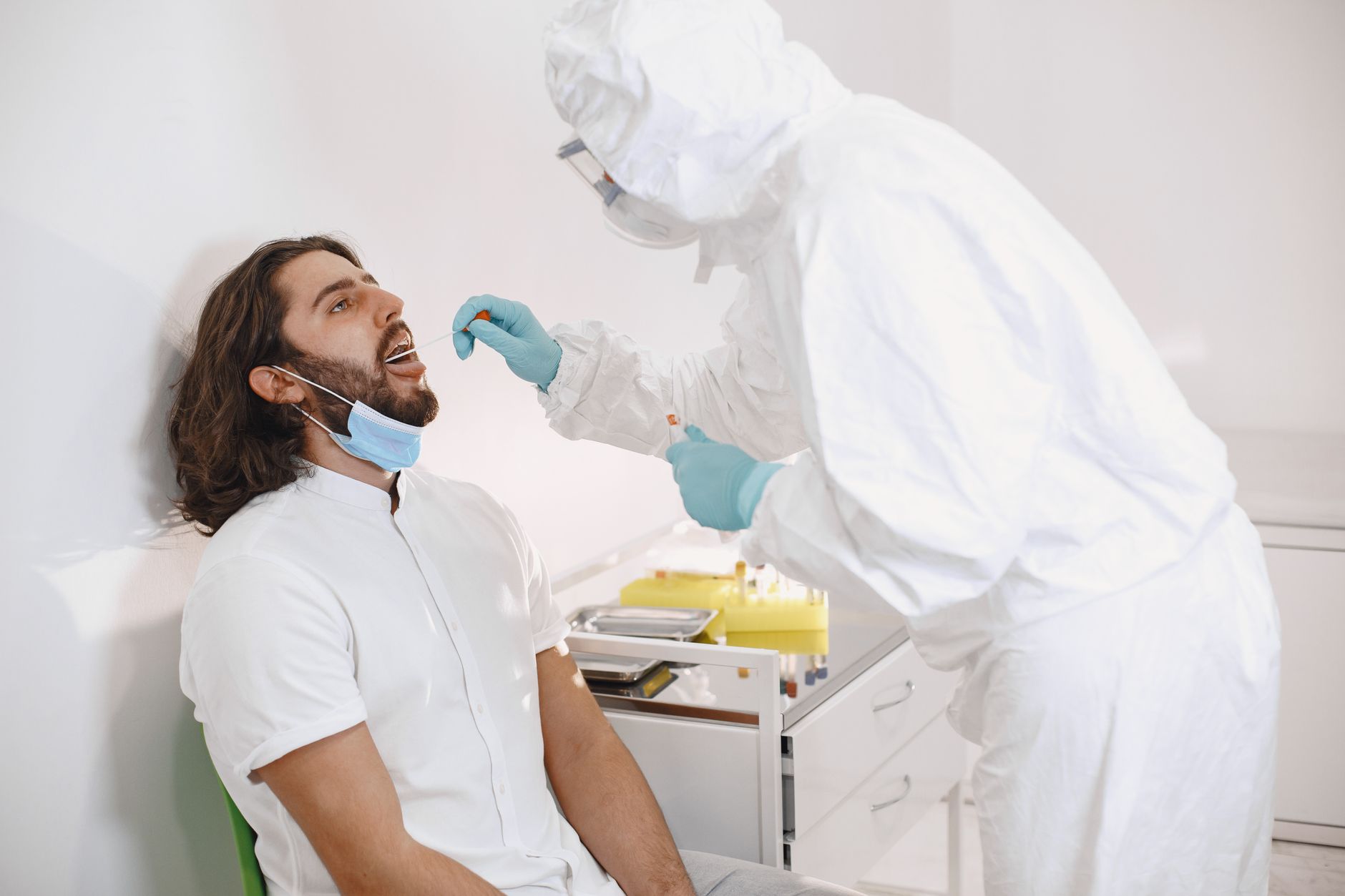
 Photo: Diva Plavalaguna / Pexels
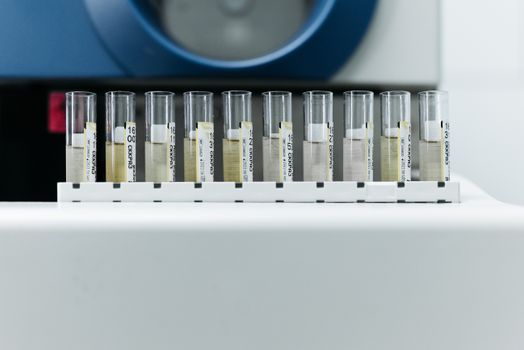 Photo: Pavel Danilyuk / Pexels
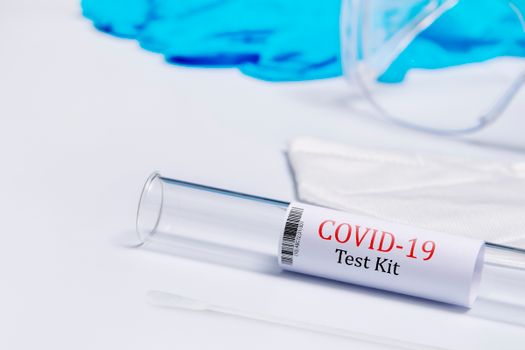 Photo: adrian vieriu / Pexels
 Photo: Engin Akyurt / Pexels