✓ Women often experience heart attack symptoms differently than men.
✓ Fatigue, shortness of breath, and nausea are common in women.
✓ Chest pain may be less prominent or absent in female heart attacks.
✓ Delay in seeking care is more common in women due to atypical symptoms.
How It Works
1
Understand the Differences
Recognize that women's heart attack symptoms can be subtle and vary from classic male presentations. This awareness is the first step in early detection.
2
Listen to Your Body
Pay close attention to new or unusual discomforts, especially persistent fatigue, breathlessness, or pain that feels different from indigestion. Your body often gives warning signs.
3
Don't Dismiss Symptoms
Avoid attributing symptoms like fatigue or anxiety solely to stress or other minor ailments. If something feels off, especially if it's new or worsening, take it seriously.
4
Seek Immediate Medical Help
If you suspect a heart attack, even if symptoms are mild, call 911 immediately. Early intervention is crucial for better outcomes and preventing serious heart damage.
The Unique Presentation of Female Heart Attack Symptoms
Photo: Pavel Danilyuk / Pexels
For decades, the image of a heart attack has been largely defined by the classic symptoms often experienced by men: crushing chest pain radiating down the left arm. However, this narrow perception has tragically led to misdiagnoses and delays in treatment for countless women. The reality is that the symptoms of a heart attack in women can be far more subtle, diffuse, and easily mistaken for less serious conditions like indigestion, anxiety, or even the flu. This distinction is not merely academic; it is a critical matter of life and death, impacting how quickly women recognize their own symptoms and how promptly medical professionals diagnose and intervene. Understanding these unique presentations is the cornerstone of improving outcomes for women's cardiovascular health.
While some women do experience the classic chest pain, it's often not the most prominent or even present symptom. Instead, women frequently report a constellation of less specific symptoms that can build gradually or come and go. These can include unusual fatigue that appears suddenly and is debilitating, even without exertion, or persistent shortness of breath that isn't related to physical activity. Nausea, vomiting, or indigestion-like discomfort are also common, leading many women to dismiss their symptoms as a stomach bug or heartburn. Pain in the jaw, neck, back, or arm (often both arms, not just the left) can also be present, sometimes without any chest discomfort. Dizziness or lightheadedness, cold sweats, and a feeling of impending doom are other critical indicators that should not be ignored. The challenge lies in the fact that these symptoms can be vague, making it difficult for women to differentiate them from everyday ailments. This ambiguity often leads to delays in seeking emergency care, which can have devastating consequences for heart muscle damage. Recognizing these nuances is paramount for both individuals and healthcare providers to ensure that women receive the timely and appropriate care they need during a cardiac event. Education is key to bridging this knowledge gap and empowering women to advocate for their health. Awareness of these specific indicators can significantly reduce the time to diagnosis and treatment, ultimately saving lives and preserving heart function. For more information on general heart health, consider exploring preventative cardiology.
Beyond Chest Pain: Atypical Indicators of a Heart Attack
Photo: Cedric Fauntleroy / Pexels
While chest pain is the hallmark symptom most people associate with a heart attack, it's crucial to understand that for many women, particularly older women or those with diabetes, chest pain may be absent or manifest differently. Instead of the classic 'elephant on the chest' sensation, women might describe a pressure, tightness, or aching in the chest that is less severe or sharp. This discomfort can be localized in the upper back, jaw, neck, or even the abdomen. The absence of intense chest pain often contributes to women underestimating the severity of their condition and delaying seeking emergency care. This delay can be critical, as every minute counts in minimizing heart muscle damage during a heart attack.
One of the most frequently reported atypical symptoms in women is overwhelming fatigue. This isn't just everyday tiredness; it's a sudden, profound exhaustion that can interfere with daily activities and often has no clear cause. Women might feel unusually tired for days or weeks leading up to a heart attack, or the fatigue can strike acutely during the event itself. Paired with this, shortness of breath, even at rest or with minimal exertion, is a significant warning sign. This breathlessness might feel like they can't catch their breath or a constant need to sigh deeply. Nausea, vomiting, and indigestion are also surprisingly common, often leading to a misdiagnosis of a stomach bug or acid reflux. These gastrointestinal symptoms can occur with or without chest pain, adding to the confusion. It's important to remember that while indigestion is common, sudden, unexplained nausea or vomiting, especially when accompanied by other symptoms, warrants immediate medical attention. Dizziness or lightheadedness, sometimes leading to fainting, and a cold sweat that breaks out without exertion, are also critical red flags. The cumulative effect of these less specific symptoms means that women often present to the emergency room later than men, having tried to 'tough it out' or attributed their symptoms to other causes. This delay in presentation is a significant factor in higher mortality rates for women after a heart attack. Healthcare providers also need to be vigilant and consider heart attack in women presenting with these atypical symptoms, not just the classic ones. This expanded understanding of symptoms is vital for improving diagnostic accuracy and ensuring timely interventions for women experiencing a cardiac event.
Risk Factors and Why Women Experience Different Symptoms
Photo: Gustavo Fring / Pexels
Understanding why women often experience different heart attack symptoms than men involves examining a combination of physiological, hormonal, and societal factors. Biologically, women's hearts and blood vessels can differ from men's. While men typically experience blockages in larger coronary arteries (which often lead to the classic crushing chest pain), women are more prone to developing blockages in the smaller arteries that supply blood to the heart, a condition known as microvascular disease or coronary microvascular dysfunction (CMD). This difference in affected arteries can lead to more diffuse pain or discomfort, or symptoms that are not centered on the chest. Additionally, women's bodies respond differently to stress and pain, which can influence how symptoms are perceived and reported.
Hormonal changes throughout a woman's life also play a significant role. Estrogen, particularly before menopause, offers some protection against heart disease. However, after menopause, as estrogen levels decline, women's risk of heart disease rises sharply. This shift can also influence symptom presentation. Furthermore, women are more likely to have certain risk factors that can contribute to atypical heart attack symptoms, such as diabetes, which can dull pain sensation (neuropathy) and lead to silent heart attacks or those with less pronounced chest pain. Other unique risk factors for women include complications during pregnancy like preeclampsia or gestational diabetes, and certain autoimmune conditions like lupus or rheumatoid arthritis, which can increase the risk of heart disease. Societal factors also contribute to delayed diagnosis. Women are often primary caregivers, leading them to prioritize others' health over their own. They may also be more likely to dismiss their symptoms as stress, anxiety, or simply being 'tired,' attributing them to their busy lives rather than a potentially life-threatening cardiac event. This self-dismissal, coupled with a healthcare system that has historically focused on male-centric heart attack symptoms, creates a perfect storm for delayed care. Educating both women and healthcare providers about these specific risk factors and the diverse ways heart disease manifests in women is crucial. It empowers women to recognize their unique vulnerability and symptoms, and encourages healthcare professionals to adopt a more gender-sensitive approach to diagnosis. Proactive management of these risk factors is vital for prevention, and understanding how they contribute to symptom diversity is key to early detection and effective treatment. For more on managing cardiac health, visit cardiac health management.
When to Seek Emergency Care: Don't Delay for Women's Heart Attack Symptoms
Photo: Gustavo Fring / Pexels
The most critical advice for anyone suspecting a heart attack, especially women, is: do not delay seeking emergency medical help. Time is muscle. The longer a heart attack goes untreated, the more damage occurs to the heart muscle, leading to potentially irreversible complications, including heart failure or even death. Many women, due to the atypical nature of their symptoms, try to 'wait it out,' hoping the discomfort will pass, or they attribute it to something benign. This hesitation is a significant factor in women having worse outcomes after a heart attack compared to men.
Here are crucial tips for when to act:
* **Call 911 Immediately:** If you experience any new, unusual, or worsening symptoms that could indicate a heart attack, even if they are mild or vague, do not hesitate to call 911. Do not drive yourself to the hospital. Emergency medical services (EMS) can begin treatment on the way and are equipped to handle cardiac emergencies.
* **Don't Self-Diagnose:** Avoid trying to rationalize away your symptoms. If you feel 'off' or something is persistently wrong, trust your instincts. It's always better to be safe and get checked than to delay potentially life-saving treatment.
* **Be Specific with EMS/Doctors:** When speaking to emergency responders or medical staff, clearly describe all your symptoms, even the ones that seem unrelated. Mention if symptoms are new, unusual, or worsening. Don't downplay your discomfort.
* **Advocate for Yourself:** If you feel your concerns are not being fully addressed, politely but firmly express your worries. Remind healthcare providers that women's heart attack symptoms can be different and ask specifically if a heart attack is being considered.
* **Know Your Family History and Risk Factors:** Be aware of your personal and family history of heart disease, diabetes, high blood pressure, and high cholesterol. Share this information with medical personnel as it can help guide their diagnosis.
Remember, recognizing the unique symptoms of a heart attack in women and acting quickly is paramount. Early detection and intervention can significantly improve outcomes, reduce heart damage, and ultimately save lives. Don't let uncertainty or fear prevent you from getting the immediate care you need. Your life could depend on it.
Comparison
Symptom Category
Common in Men
Common in Women
Severity in Women
Chest Pain/Discomfort
Crushing, central, radiates left arm
Pressure, aching, tightness; may be absent or mild
"This article was incredibly eye-opening. I always thought a heart attack meant crushing chest pain, but after reading this, I realize my fatigue and jaw pain last year could have been something serious. So glad I know the signs now."
Sarah J. · Austin, TX
★★★★★
"As a woman in my 50s, this information is vital. I've had episodes of unexplained breathlessness and nausea that I dismissed as stress. This article has empowered me to take these symptoms much more seriously in the future."
Maria P. · Miami, FL
★★★★★
"After reading this, I shared it with my mother and sister. My mother recently had a 'stomach flu' that sounds eerily similar to some of the atypical symptoms described. It's a wake-up call for all of us to be more vigilant about women's heart health."
Jessica L. · Chicago, IL
★★★★★
"While very informative, it would be helpful to include more on specific age-related differences in symptoms. Still, the emphasis on calling 911 for any unusual symptom is a message every woman needs to hear."
Emily R. · Denver, CO
★★★★★
"My friend had a heart attack last year with no chest pain, only extreme fatigue and back discomfort. This article perfectly explains why her diagnosis was delayed. This information is a lifesaver for recognizing symptoms of a heart attack in women."
Diana K. · New York, NY
Frequently Asked Questions
What are the most common unique symptoms of a heart attack in women?
The most common unique symptoms in women include unusual fatigue, shortness of breath, nausea, vomiting, indigestion, and pain in the jaw, neck, back, or either arm, often without prominent chest pain. These symptoms can be subtle and easily mistaken for less serious conditions, making awareness critical.
Should I still worry about chest pain if I'm a woman?
Yes, absolutely. While women may experience atypical symptoms, chest pain or discomfort can still be a primary symptom. It might feel like pressure, tightness, or aching rather than crushing pain. Any chest discomfort, especially if new or worsening, warrants immediate medical evaluation.
How quickly should I seek medical help if I suspect a heart attack?
If you suspect you are having a heart attack, you should seek immediate medical help by calling 911 without delay. Do not try to drive yourself or wait for symptoms to pass. Early intervention is crucial to minimize heart damage and improve outcomes.
Is it true that women's heart attacks are often misdiagnosed?
Unfortunately, yes. Due to the atypical and less dramatic presentation of symptoms in women compared to the classic male symptoms, their heart attacks are more prone to being misdiagnosed or dismissed. This underscores the importance of both patient and provider education on women-specific symptoms.
How do heart attack symptoms in women differ from men?
While men often experience sudden, severe chest pain radiating down the left arm, women are more likely to have less specific symptoms like fatigue, shortness of breath, nausea, and pain in the back, neck, jaw, or stomach. Chest pain, if present, may be less intense and more diffuse. The key difference is the prevalence of these 'atypical' symptoms in women.
Who is most at risk for experiencing these atypical heart attack symptoms?
Women are generally more at risk for atypical symptoms, particularly older women, those with diabetes, or women with microvascular disease. However, any woman can experience these less common signs, so it's important for all women to be aware.
Are there any specific preventative measures women can take?
Preventative measures include maintaining a healthy lifestyle with a balanced diet, regular exercise, managing stress, and avoiding smoking. Additionally, women should be aware of and manage unique risk factors like complications during pregnancy (e.g., preeclampsia) and autoimmune diseases, and discuss heart health proactively with their doctor.
What future advancements are expected in diagnosing heart attacks in women?
Future advancements are focusing on more gender-specific diagnostic tools and algorithms that account for women's unique symptom presentation and physiological differences. Increased research into microvascular disease and improved awareness campaigns are also expected to lead to earlier and more accurate diagnoses.
Understanding the unique symptoms of a heart attack in women can truly be a matter of life and death. Empower yourself and your loved ones with this critical knowledge to ensure swift action and better outcomes. Don't wait; be informed, be vigilant, and prioritize heart health.

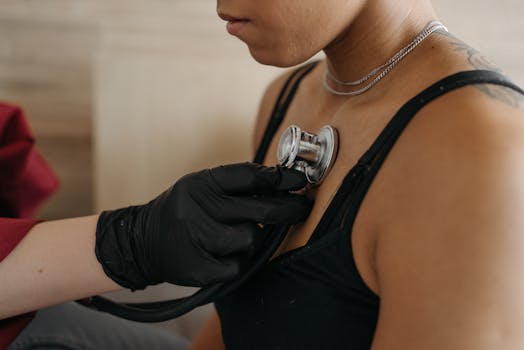 Photo: Pavel Danilyuk / Pexels
 Photo: Cedric Fauntleroy / Pexels
 Photo: Gustavo Fring / Pexels
 Photo: Gustavo Fring / Pexels