How to Store Cannabis Safely at Home: A Comprehensive Guide
July 31, 2026 17 min read 3,333 words
Unlock the secrets to preserving your medical cannabis's potency, flavor, and longevity with expert storage techniques.
Optimize Your Storage
Understanding the Enemies of Cannabis Quality and Potency
 Photo: MART PRODUCTION / Pexels
For medical cannabis users, the integrity of their product is paramount. The therapeutic efficacy of cannabis hinges on the preservation of its delicate chemical compounds, primarily cannabinoids like THC and CBD, and aromatic terpenes. Unfortunately, several environmental factors are constantly working to degrade these valuable constituents, leading to a loss of potency, altered flavor profiles, and potentially diminishing therapeutic benefits. Understanding these 'enemies' is the foundational step in mastering how to store cannabis safely at home.
The first and arguably most significant foe is light, particularly ultraviolet (UV) light. UV rays are highly energetic and can break down organic compounds. When cannabis is exposed to direct sunlight or even prolonged exposure to artificial light, THC, the primary psychoactive cannabinoid, can degrade into cannabinol (CBN). While CBN has its own therapeutic properties, it is generally considered less potent and more sedating than THC, which might not be the desired effect for all medical users. This degradation not only reduces the overall potency but can also alter the therapeutic ratio of cannabinoids, potentially impacting the specific medical conditions it’s meant to treat. Therefore, storing cannabis in opaque containers, or at least in a dark environment, is crucial.
Oxygen, or more accurately, exposure to air, is another major contributor to cannabis degradation. Oxidation is a chemical process where oxygen molecules react with other compounds, causing them to break down. In cannabis, this process affects cannabinoids and terpenes. Over time, exposure to air can lead to the breakdown of THC into CBN, similar to light exposure. It also causes the evaporation of volatile terpenes, which are responsible for cannabis’s distinct aromas and flavors, and contribute significantly to the entourage effect – the synergistic interaction between cannabinoids and terpenes that enhances therapeutic outcomes. An airtight seal is therefore non-negotiable for preserving the quality of your medical cannabis.
Temperature plays a critical role as well. High temperatures accelerate the degradation of cannabinoids and terpenes. Heat can cause terpenes to evaporate more quickly and also facilitate the conversion of THC to CBN. Conversely, extremely low temperatures, such as those found in a freezer, can make the delicate trichomes (the resin glands that produce cannabinoids and terpenes) brittle and easily break off, especially during handling. The ideal temperature range for cannabis storage is cool, stable, and consistent, typically between 60-70°F (15-21°C). Avoiding fluctuating temperatures is just as important as maintaining a specific range, as these fluctuations can stress the plant material and promote moisture changes.
Finally, humidity is a double-edged sword. Too much humidity creates a prime environment for mold and mildew growth, which can render your cannabis unsafe for consumption and cause serious health issues, especially for immunocompromised medical users. Mold spores thrive in damp conditions and can quickly contaminate an entire batch. Conversely, too little humidity will cause the cannabis to dry out excessively. When cannabis becomes too dry, it loses its appealing texture, becomes harsh to smoke or vaporize, and its terpenes evaporate more rapidly, leading to a loss of flavor and aroma. Furthermore, overly dry cannabis can cause trichomes to become brittle and break off. The sweet spot for relative humidity (RH) is generally between 58-62%, which is optimal for preserving the structural integrity, cannabinoid content, and terpene profile of the plant material. Specialized humidity control packets are highly recommended to maintain this delicate balance. By diligently addressing these four factors—light, air, temperature, and humidity—medical cannabis users can significantly extend the shelf life and maintain the therapeutic efficacy of their valuable medicine. For more in-depth information on the chemical compounds involved, explore our guide on
understanding cannabis terpenes and cannabinoids.
Choosing the Right Storage Containers and Environment
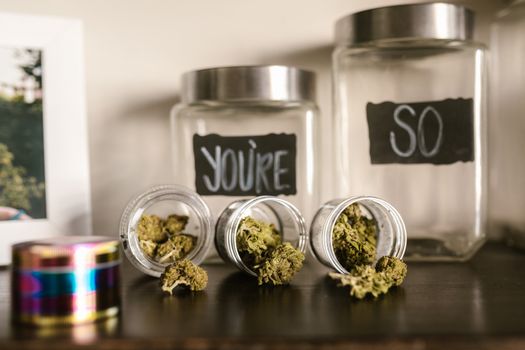 Photo: RDNE Stock project / Pexels
Selecting the appropriate storage containers and establishing an optimal environment are critical steps in preserving the quality of your medical cannabis. The wrong choice here can quickly negate all other efforts to protect your product from degradation. The primary goal is to create a stable microclimate that shields your cannabis from its environmental enemies: light, air, heat, and improper humidity levels.
Glass jars, particularly Mason jars with airtight seals, are widely considered the gold standard for cannabis storage. Their non-porous nature ensures that no odors are absorbed or released, and they do not leach chemicals into the cannabis, unlike some plastics. The airtight seal is paramount, as it prevents oxygen exposure, which, as discussed, leads to cannabinoid degradation and terpene evaporation. For added protection against light, amber or opaque glass jars are preferable. If you only have clear glass jars, always store them in a dark cabinet or an opaque container to block out harmful UV rays. Always ensure the jar is appropriately sized for the amount of cannabis being stored; too much empty space means more air, while overcrowding can crush delicate buds.
Beyond glass, specialized cannabis storage containers made from food-grade stainless steel or high-quality, inert plastics (specifically designed for cannabis) are excellent alternatives. These often come with built-in humidity control features or are designed to integrate humidity packs seamlessly. Look for containers that explicitly state they are airtight and light-proof. Avoid plastic baggies or sandwich bags for long-term storage, as they are typically not airtight, can generate static electricity that strips trichomes, and can impart undesirable plastic odors or flavors to your cannabis.
Once you have your containers, the next step is to choose the right storage environment. A cool, dark, and stable location is ideal. Think about places in your home that maintain a consistent temperature, away from direct sunlight, heating vents, or external walls that fluctuate with outdoor temperatures. A pantry, a dedicated cupboard, or a drawer in a climate-controlled room are generally good choices. Avoid storing cannabis in refrigerators or freezers for most applications. While it might seem intuitive to keep things cold, the fluctuating temperatures and humidity inside a refrigerator can cause condensation, leading to mold. Freezing, as mentioned, can make trichomes brittle, causing them to break off easily during handling, thus reducing potency. If you absolutely must freeze for extremely long-term storage (over a year), ensure the cannabis is completely dry, sealed in a vacuum-sealed, airtight, and opaque container, and allowed to come to room temperature slowly before opening to minimize trichome loss.
Humidity control is perhaps the most nuanced aspect of the storage environment. The ideal relative humidity (RH) for cured cannabis is between 58% and 62%. Maintaining this range prevents both mold growth (above 65% RH) and excessive drying (below 55% RH). The most effective way to achieve this is by using two-way humidity control packets, such as those from Boveda or Integra Boost. These packets absorb or release moisture as needed to maintain a precise RH level within your sealed container. Simply place one packet (sized appropriately for your container and quantity of cannabis) inside your airtight jar, and it will do the work for you, typically lasting for several months before needing replacement. These packets are a small investment that yields significant returns in preserving the freshness, flavor, and potency of your medical cannabis, making them indispensable for anyone serious about proper storage.
By meticulously selecting the right containers and ensuring a controlled environment, you create the perfect sanctuary for your medical cannabis, safeguarding its therapeutic value and extending its usable life. This careful approach not only protects your investment but, more importantly, ensures that your medicine remains effective and safe for consumption.
You may also find mj420.delivery useful.
Best Practices for Long-Term Preservation and Safety
 Photo: RDNE Stock project / Pexels
Beyond selecting the right containers and environment, implementing specific best practices for handling and storage can significantly enhance the long-term preservation and safety of your medical cannabis. These practices are especially crucial for patients who purchase larger quantities to ensure a consistent supply or to take advantage of bulk pricing, as their cannabis needs to remain potent and free from contaminants over extended periods.
One fundamental practice is to minimize handling. Every time you touch your cannabis, you risk dislodging delicate trichomes, which are the powerhouses of cannabinoid and terpene production. Handling also exposes the buds to air, moisture, and oils from your skin. When retrieving cannabis for use, try to use clean, non-static tools like small tongs or tweezers rather than your bare hands. This small step can make a big difference in maintaining the integrity of your product over time.
Storage of different strains should ideally be separate. Each cannabis strain possesses a unique cannabinoid and terpene profile, contributing to its distinct aroma, flavor, and therapeutic effects. Storing different strains together in the same container can lead to a phenomenon known as 'terpene migration,' where the aromatic compounds from one strain can transfer to another, altering their individual profiles. This cross-contamination can dilute the unique characteristics of each strain and may impact the specific medical benefits you seek from a particular cultivar. Using separate, clearly labeled containers for each strain ensures that their individual properties are preserved.
Labeling is another seemingly simple but incredibly important practice. Clearly label each container with the strain name, date of purchase or harvest, and cannabinoid/terpene percentages if known. This helps you track the freshness of your supply and ensures you're using the appropriate strain for your medical needs. It also helps you identify older batches that might be approaching the end of their optimal shelf life. For patients managing various conditions, precise labeling is key to effective symptom management.
Regular inspection of your stored cannabis is vital, especially for long-term batches. Periodically check for any signs of mold, mildew, or pest infestation. Mold often appears as fuzzy white, gray, or black spots and can have a musty odor. If you detect any signs of mold, it is imperative to discard the affected cannabis immediately, as consuming moldy cannabis can lead to serious respiratory issues and other health complications, particularly for medical users with compromised immune systems. This vigilance ensures that your medicine remains safe and effective.
Security and child-proofing are non-negotiable for medical cannabis stored at home, especially in the US where regulations vary. Even in states where medical cannabis is legal, it must be kept out of reach of children, pets, and unauthorized individuals. Many states have specific requirements for secure storage, such as lockable containers or safes. Investing in a lockable stash box or using child-resistant containers is a responsible and necessary measure. This not only prevents accidental ingestion but also protects your valuable medicine from theft or tampering. Understanding
local cannabis regulations for home storage is crucial for compliance.
Finally, avoid opening your containers more often than necessary. Each time a container is opened, fresh air rushes in, potentially introducing moisture and accelerating oxidation. While regular inspection is important, try to consolidate your access points. If you're frequently using a particular strain, consider keeping a smaller, daily-use amount in a separate container, leaving the bulk of your supply undisturbed in its long-term storage. By adhering to these best practices, medical cannabis users can confidently preserve the quality, potency, and safety of their cannabis, ensuring it remains an effective therapeutic tool for as long as possible.
Common Storage Mistakes and How to Avoid Them
Even with the best intentions, several common mistakes can compromise the quality and safety of your medical cannabis. Being aware of these pitfalls and proactively avoiding them is crucial for optimal preservation.
**1. Storing in Plastic Baggies:** This is perhaps the most common and detrimental mistake. Plastic baggies, often used for convenience, are not airtight, allowing oxygen to seep in and terpenes to evaporate. They can also create static electricity, which causes trichomes to stick to the plastic and break off, reducing potency. Furthermore, some plastics can leach chemicals or impart a plastic taste to your cannabis. *Solution: Always transfer cannabis from plastic baggies to airtight glass jars or specialized cannabis containers as soon as possible.*
**2. Refrigeration or Freezing (Incorrectly):** While cold can slow degradation, a standard refrigerator's humidity fluctuations can lead to condensation, promoting mold growth. Freezing can make trichomes brittle and easily shatter. *Solution: Avoid refrigerators. If freezing for very long-term storage (over a year), ensure cannabis is completely dry, vacuum-sealed in an opaque, airtight container, and allowed to thaw slowly to room temperature before opening.*
**3. Exposure to Light:** Direct sunlight or even prolonged artificial light exposure degrades THC into CBN and breaks down terpenes. *Solution: Always store cannabis in opaque containers (amber glass, stainless steel) or in a dark place like a cupboard or drawer.*
**4. Excessive Airspace in Containers:** Using a container that is too large for the amount of cannabis stored means more oxygen trapped inside, accelerating oxidation. *Solution: Use appropriately sized containers that are mostly full, minimizing the amount of air present.*
**5. Ignoring Humidity Control:** Too high humidity causes mold; too low causes dryness and terpene loss. Both are detrimental. *Solution: Invest in two-way humidity control packets (58-62% RH) for all your storage containers. Replace them every 2-4 months or when they become hard.*
**6. Storing Near Heat Sources:** Areas near windows, heating vents, ovens, or electronics can experience significant temperature fluctuations, which accelerate degradation. *Solution: Choose a cool, stable location away from any heat-generating appliances or direct sunlight.*
**7. Mixing Strains:** Storing different strains together can lead to terpene migration, altering their unique flavor and aromatic profiles. *Solution: Keep each strain in its own separate, clearly labeled airtight container.*
**8. Frequent Opening of Containers:** Each time you open a container, you introduce fresh air and potential moisture fluctuations. *Solution: If you use cannabis daily, consider keeping a small, weekly-use amount in a separate jar and leave your main supply undisturbed in its long-term storage.*
**9. Lack of Security:** Leaving cannabis unsecured, especially in homes with children or pets, is a serious safety risk. *Solution: Always store medical cannabis in child-resistant and/or lockable containers, adhering to any local legal requirements for secure storage.*
By systematically addressing these common mistakes, medical cannabis users can ensure their product remains safe, potent, and therapeutically effective for an extended period, maximizing their investment and health benefits.