✓ A doctor's referral is almost always required for an MRI in the US.
✓ MRI costs can vary widely, from $400 to over $3,000, depending on the body part and facility.
✓ Insurance coverage for MRIs is common, but deductibles and co-pays apply.
✓ Preparation for an MRI typically involves removing all metal and sometimes fasting.
How It Works
1
Obtain a Doctor's Referral
Your primary care physician or specialist will determine if an MRI is necessary and provide the required referral. This referral is crucial for insurance coverage and scheduling.
2
Research & Choose a Facility
Look for imaging centers near you, comparing factors like accreditation, technology (e.g., open MRI), cost, and patient reviews. Verify they accept your insurance plan.
3
Schedule Your Appointment
Contact the chosen facility with your referral and insurance information. Be prepared to discuss your medical history and any specific requirements for the scan.
4
Prepare for the Scan
Follow all pre-scan instructions, which may include fasting, avoiding certain medications, and removing all metal items. Arrive early to complete necessary paperwork.
Understanding Your MRI Referral and Why It's Crucial
Photo: RDNE Stock project / Pexels
Before you can even begin to schedule MRI scan near me, the foundational step is obtaining a doctor's referral. In the United States, Magnetic Resonance Imaging (MRI) is a powerful diagnostic tool, and its use is strictly regulated to ensure patient safety and appropriate medical necessity. This isn't a procedure you can typically walk in and request; it almost always requires a physician's order. Your primary care physician (PCP) or a specialist (such as an orthopedist, neurologist, or gastroenterologist) will assess your symptoms, medical history, and previous diagnostic tests to determine if an MRI is the most suitable next step. They will then provide you with a written or electronic referral that specifies the body part to be scanned, the reason for the scan (e.g., 'rule out disc herniation,' 'evaluate for tumor'), and sometimes even the type of MRI needed (e.g., with or without contrast). This referral serves several critical purposes. Firstly, it provides medical justification for the scan, guiding the radiologist in interpreting the images and ensuring the correct protocol is followed. Secondly, and perhaps most importantly for patients, it is a prerequisite for insurance coverage. Without a valid referral, most insurance companies will deny the claim, leaving you responsible for the full cost, which can be substantial. When your doctor issues a referral, don't hesitate to ask questions. Understand why the MRI is being ordered, what they hope to learn from it, and what the next steps might be after the scan. Clarifying these points can alleviate anxiety and empower you in your healthcare journey. Once you have this referral in hand, you're ready to proceed to the next stage of finding a suitable imaging center. Remember, the specificity of the referral can sometimes influence which facilities are best equipped to perform your particular type of MRI, so keep it handy. Learning about different types of diagnostic imaging can also help you understand the referral better.
Navigating the Search for an MRI Facility: Location, Accreditation, and Technology
Photo: contact me +923323219715 / Pexels
Once you have your doctor's referral, the next significant hurdle in your quest to schedule MRI scan near me is finding the right facility. This isn't just about proximity; it involves a careful consideration of several factors to ensure you receive high-quality care and an accurate diagnosis. Start by utilizing online search engines, inputting phrases like 'MRI center near me,' 'diagnostic imaging US,' or 'radiology clinic [your city, state].' Many insurance providers also offer online tools to help you locate in-network facilities. Your doctor's office might also have preferred imaging partners or recommendations. When evaluating potential centers, accreditation is a crucial indicator of quality. Look for facilities accredited by organizations like the American College of Radiology (ACR). ACR accreditation signifies that the facility has met rigorous standards for equipment quality, personnel qualifications, and quality control procedures. This ensures that the MRI equipment is well-maintained, the technologists are highly trained, and the radiologists interpreting your scan are board-certified experts. Beyond accreditation, consider the technology available. While most MRIs use powerful magnets and radio waves, there are variations. For instance, if you experience claustrophobia, an 'open MRI' machine might be a more comfortable option, offering a less enclosed experience than traditional 'closed bore' MRIs. However, open MRIs may sometimes have lower magnetic field strengths, which could impact image quality for certain conditions. Discuss this with your doctor if claustrophobia is a concern. Another factor is the magnetic field strength, measured in Teslas (T). Common strengths are 1.5T and 3.0T. Higher field strength (3.0T) MRIs can often produce more detailed images in less time, which can be beneficial for specific diagnoses. However, a 1.5T MRI is perfectly adequate for most diagnostic purposes. Finally, consider the specialization of the facility. Some centers specialize in neurological imaging, musculoskeletal imaging, or cardiac MRIs. While not always necessary, a specialized center might offer radiologists with deeper expertise in your specific condition. Don't hesitate to call facilities and ask about their equipment, accreditation, and the experience of their radiologists. Your health is worth the extra research.
Understanding MRI Costs, Insurance Coverage, and Payment Options
Photo: Leeloo The First / Pexels
The financial aspect is often a major concern when you need to schedule MRI scan near me. The cost of an MRI in the United States can vary dramatically, ranging anywhere from $400 to upwards of $3,000, depending on the body part being scanned, whether contrast dye is used, the type of facility (hospital vs. outpatient imaging center), and your geographic location. This wide range makes understanding your insurance coverage and potential out-of-pocket expenses paramount. Most health insurance plans, including Medicare and Medicaid, cover medically necessary MRIs. However, 'coverage' doesn't always mean 'free.' You will likely be responsible for a portion of the cost, typically in the form of a deductible, co-pay, or co-insurance. A deductible is the amount you must pay out-of-pocket before your insurance begins to cover costs. Co-insurance is a percentage of the cost you pay after your deductible has been met, while a co-pay is a fixed amount you pay for a service. Before scheduling, it is crucial to contact your insurance provider directly. Ask them: 'Is this specific MRI procedure (e.g., MRI of the knee with contrast) covered?' 'What is my deductible, and how much of it have I met?' 'What will be my co-pay or co-insurance for this service at [specific facility name]?' 'Do I need pre-authorization, and has it been obtained?' Getting this information in writing or noting the representative's name and call reference number can be very helpful if disputes arise later. Many facilities also offer self-pay rates for uninsured patients or those with high deductibles. These rates can sometimes be significantly lower than the billed insurance rate. Don't be afraid to ask for a self-pay discount or inquire about payment plans if upfront costs are a barrier. Furthermore, some states or organizations offer patient assistance programs that can help cover medical expenses. Resources like the Healthcare Bluebook or Fair Health Consumer can provide estimated costs for procedures in your area, giving you a baseline for comparison. Remember, transparency in pricing is becoming more common, and you have the right to ask for a good faith estimate of your costs before the procedure. This proactive approach can save you from unexpected bills and financial stress. Exploring patient advocacy groups can also provide valuable resources for navigating healthcare costs.
Preparing for Your MRI: What to Expect and Tips for a Smooth Experience
Photo: Samia Javed / Pexels
Once you've managed to schedule MRI scan near me, the final step is ensuring you're adequately prepared for the procedure itself. Proper preparation can significantly contribute to both your comfort and the clarity of the diagnostic images. The facility will typically provide you with detailed instructions, which you should read carefully. The most universal instruction is to remove all metallic objects. This includes jewelry, watches, hairpins, glasses, hearing aids, removable dental work, and any clothing with metal zippers, snaps, or underwires. Metal can interfere with the MRI's powerful magnetic field, distorting images and potentially causing harm. You may be asked to change into a hospital gown. It's also vital to inform the technologist about any metal implants in your body, such as pacemakers, cochlear implants, artificial joints, surgical clips, or shrapnel. Some implants are MRI-compatible, while others are not, and this information is critical for your safety. If your MRI requires contrast dye, you might be asked to fast for a few hours prior to the scan. Contrast agents, often containing gadolinium, are administered intravenously to enhance the visibility of certain tissues or abnormalities. If you have kidney issues or allergies, be sure to discuss this with your doctor and the MRI staff, as contrast dye may not be suitable for everyone. Claustrophobia is a common concern during an MRI. If you anticipate feeling anxious in the enclosed space of a traditional MRI machine, discuss this with your doctor beforehand. They might prescribe a mild sedative, or you could explore facilities offering open MRIs. During the scan, it's crucial to remain as still as possible. Even slight movements can blur the images and necessitate a repeat of the scan. The machine will make loud banging and knocking noises, which are normal. You'll typically be offered earplugs or headphones to mitigate the noise. Most MRIs last between 30 to 60 minutes, though some can be longer. Communication is key: you'll often have a two-way intercom to speak with the technologist. Don't hesitate to voice any discomfort or concerns during the procedure. Arrive early for your appointment to allow time for paperwork and any pre-scan preparations. By following these guidelines, you can ensure a safer and more effective MRI experience.
Comparison
Feature
Hospital Imaging Center
Freestanding Imaging Center
Open MRI Facility
Cost
Often Higher
Generally Lower
Variable (Can be higher for specialized equipment)
Technology (Field Strength)
Usually 1.5T or 3.0T
Often 1.5T or 3.0T
Often 0.7T - 1.5T (some newer 3.0T open designs exist)
Convenience/Wait Times
Can be longer
Often shorter, more flexible
Similar to freestanding, specialized scheduling
Claustrophobia Friendly
✗ (Typically closed bore)
✗ (Typically closed bore)
✓ (Designed for comfort)
Access to Specialists
Immediate hospital specialist access
Referral to external specialists
Referral to external specialists
Accreditation (ACR)
✓ (Most major hospitals)
✓ (Many reputable centers)
✓ (Reputable centers)
What Readers Say
★★★★★
"I needed to schedule MRI scan near me for my knee and found this guide incredibly helpful. It walked me through getting my referral and understanding the insurance maze. The facility I chose was excellent."
Sarah J. · Austin, TX
★★★★★
"After reading about open MRIs here, I specifically looked for one due to my claustrophobia. The experience was so much better than I anticipated, and the staff were very understanding. Highly recommend doing your research!"
Mark T. · Miami, FL
★★★★★
"As a physician, I appreciate the detailed and accurate information provided. It's a great resource for patients trying to navigate the complexities of diagnostic imaging. The cost breakdown was particularly useful."
Dr. Emily R. · Seattle, WA
★★★★★
"The article was very thorough, especially on insurance. I did have a small issue with pre-authorization not being fully clear, but the tips helped me follow up effectively. Overall, a great resource."
David L. · Denver, CO
★★★★★
"I was nervous about my first MRI, but the preparation section really calmed my fears. Knowing what to expect and how to communicate with the technologist made a huge difference. The scan went smoothly."
Maria P. · Chicago, IL
Frequently Asked Questions
Do I need a doctor's referral to schedule MRI scan near me?
Yes, in almost all cases in the US, a doctor's referral or order is required for an MRI. This ensures medical necessity, guides the radiologist, and is typically a prerequisite for insurance coverage. Without a referral, you may be responsible for the full cost of the scan.
How much does an MRI cost in the US, and is it covered by insurance?
MRI costs vary widely, from $400 to over $3,000, depending on the body part, facility type, and whether contrast is used. Most health insurance plans cover medically necessary MRIs, but you'll likely have co-pays, co-insurance, or deductibles to meet. Always verify coverage with your insurer and the facility beforehand.
What should I do if I'm claustrophobic about getting an MRI?
If you experience claustrophobia, discuss this with your doctor. They may prescribe a mild sedative for the procedure. Alternatively, you can seek out facilities that offer 'open MRI' machines, which provide a less enclosed experience than traditional closed-bore MRIs. Some centers also have options for music or mirrors to help.
What's the difference between a 1.5T and a 3.0T MRI?
The 'T' stands for Tesla, a unit of magnetic field strength. A 3.0T MRI has a stronger magnetic field than a 1.5T MRI. This often allows for higher resolution images and shorter scan times, which can be beneficial for specific diagnoses. However, a 1.5T MRI is sufficient and commonly used for most diagnostic purposes.
How does an MRI compare to a CT scan or X-ray?
MRI uses strong magnetic fields and radio waves to create detailed images of soft tissues (like organs, muscles, ligaments, and brain). CT scans use X-rays and computer processing to create cross-sectional images, often better for bone injuries, lung and chest imaging, and detecting cancers. X-rays provide basic images of bones and can detect some lung conditions. Each has specific uses, and your doctor will determine the most appropriate imaging for your condition.
Who interprets my MRI results, and how long does it take to get them?
Your MRI images are interpreted by a board-certified radiologist, a medical doctor specializing in diagnostic imaging. They will generate a detailed report, which is then sent to your referring physician. The time to receive results can vary, usually from a few days to a week, depending on the urgency and facility workload. Your doctor will then discuss the findings with you.
Are there any risks associated with an MRI?
MRI is generally very safe. Unlike X-rays or CT scans, it does not use ionizing radiation. The primary risks are related to the powerful magnetic field, which can interact with metallic implants or objects. Patients with certain medical devices (like pacemakers) or metal in their body may not be eligible for an MRI. Allergic reactions to contrast dye are rare but possible. It's crucial to fully disclose your medical history and any implants to the MRI staff.
Will AI play a role in how I schedule or undergo an MRI in the future?
AI is increasingly being integrated into medical imaging. In the future, AI might help optimize scheduling algorithms for faster appointments, assist radiologists in interpreting scans more quickly and accurately, or even personalize MRI protocols for individual patients. While AI won't replace human doctors, it's expected to enhance efficiency and diagnostic capabilities, potentially making the process of scheduling and undergoing an MRI even smoother.
Don't let the process of medical imaging overwhelm you. With this comprehensive guide, you're now equipped to confidently schedule MRI scan near me, understand the costs, and prepare for your appointment. Take the next step towards your health and well-being today.
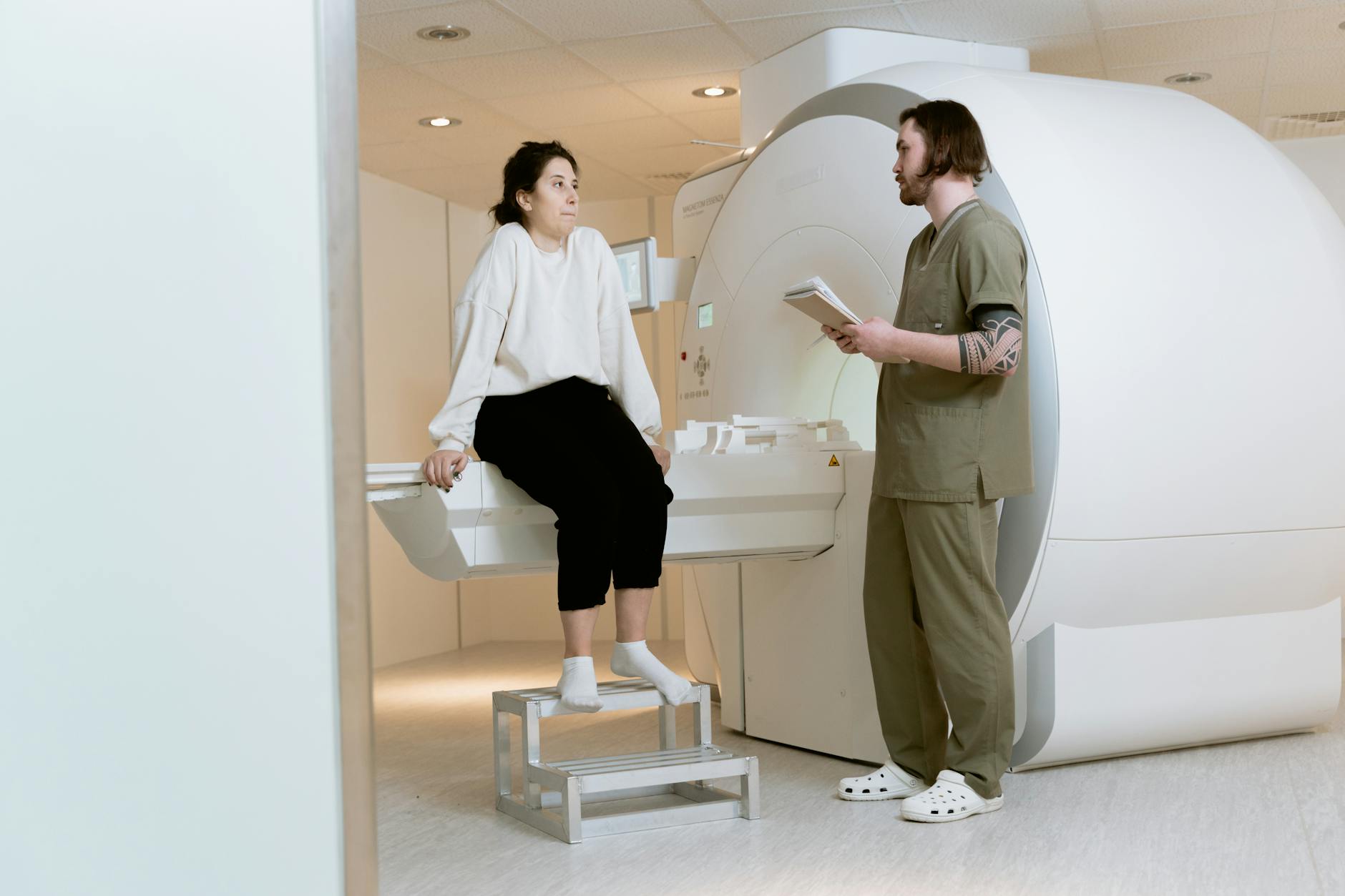
 Photo: RDNE Stock project / Pexels
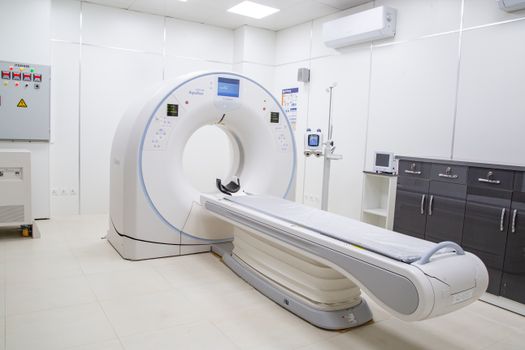 Photo: contact me +923323219715 / Pexels
 Photo: Leeloo The First / Pexels
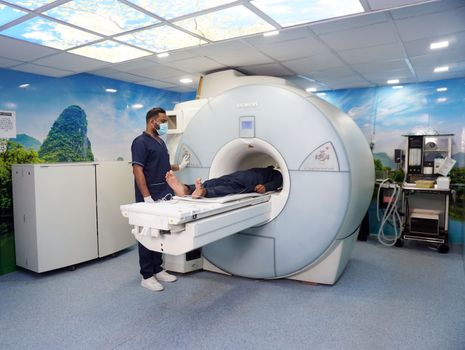 Photo: Samia Javed / Pexels