how to prepare for a doctor's visit: Your Ultimate Guide
how to prepare for a doctor's visit

how to prepare for a doctor's visit: Your Ultimate Guide

Empower yourself with this comprehensive guide to make every medical appointment productive and stress-free.

Start Preparing Now

Key Takeaways

  • ✓ Preparation significantly improves diagnostic accuracy.
  • ✓ Organized information saves time for both patient and doctor.
  • ✓ Asking questions is crucial for understanding your health.
  • ✓ Bringing a support person can be highly beneficial.

How It Works

1
Gather Your Information

Collect all relevant medical history, medication lists, and symptom details before your appointment. This forms the foundation of a productive visit.

2
Formulate Your Questions

Write down specific questions and concerns you want to discuss with your doctor. This ensures nothing important is overlooked during the consultation.

3
Communicate Effectively

Clearly articulate your symptoms, history, and questions to your healthcare provider. Active listening and asking for clarification are key to understanding your care plan.

4
Follow Up and Follow Through

Review the doctor's instructions, schedule necessary tests or referrals, and understand your next steps. Proactive follow-through is vital for continuity of care.

Understanding the Importance of Medical Visit Preparation

Healthcare worker in scrubs reviewing patient files with a stamp and clipboard. Photo: www.kaboompics.com / Pexels
Preparing for a doctor's visit is not just about being organized; it's a proactive step towards better health outcomes and a more effective healthcare experience. In today's fast-paced medical environment, doctors often have limited time with each patient. A well-prepared patient can optimize this time, ensuring that all concerns are addressed, diagnoses are more accurate, and treatment plans are tailored effectively. Think of your doctor's visit as a collaborative effort: you, the patient, bring critical information about your body and experiences, and your doctor brings their medical expertise to interpret that information and guide your care. Without your comprehensive input, even the most skilled physician might miss crucial details. For instance, forgetting to mention a new, seemingly minor symptom could lead to a delayed diagnosis of a more significant condition. Similarly, an incomplete medication list could result in adverse drug interactions or ineffective treatment. Beyond just efficiency, preparation empowers you as a patient. It shifts the dynamic from a passive recipient of care to an active participant in your health journey. When you come prepared with questions and a clear understanding of your medical history, you are better equipped to engage in meaningful dialogue with your doctor, challenge assumptions if necessary, and make informed decisions about your treatment options. This empowerment is particularly vital when dealing with complex health issues or navigating the intricacies of chronic disease management. Moreover, a prepared visit can reduce anxiety. Knowing you have all your ducks in a row can alleviate the stress often associated with medical appointments, allowing you to focus on effective communication rather than scrambling for information. It also minimizes the chances of leaving an appointment feeling like you forgot to ask something important or didn't fully understand the instructions. This guide will walk you through every aspect of optimizing your medical appointments, from pre-visit logistics to post-visit follow-up, ensuring you get the most out of every interaction with your healthcare provider. By investing a little time in preparation, you are investing significantly in your health and well-being. This foundational step sets the stage for a more productive, reassuring, and ultimately, healthier doctor's visit.

Before You Go: Essential Pre-Visit Checklist and Information Gathering
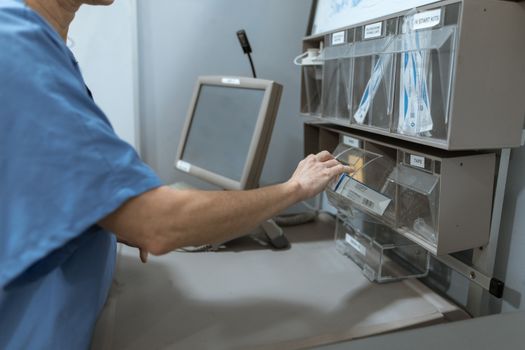
A medical professional organizing supplies in a hospital setting. Photo: RDNE Stock project / Pexels
The cornerstone of a successful doctor's visit lies in thorough pre-appointment preparation. This involves gathering a comprehensive array of information that will provide your doctor with a complete picture of your health. Start by confirming the appointment details: date, time, location, and the doctor's name. If it's a new doctor, inquire about what specific documents they require in advance, such as previous medical records or referral letters. Next, compile a detailed list of all current medications. This isn't just prescription drugs; it must include over-the-counter medications, vitamins, herbal supplements, and any recreational substances you use. For each item, note the dosage, frequency, and reason for taking it. This information is critical for identifying potential drug interactions or understanding side effects. Equally important is a complete medical history. This should encompass past illnesses, surgeries, hospitalizations, significant injuries, and any chronic conditions. Don't forget to include a family medical history, noting any significant diseases (like heart disease, cancer, diabetes) that run in your immediate family, as this can provide valuable clues about your predispositions. Allergies are another vital piece of information; list all known allergies to medications, foods, or environmental factors, and describe the reactions you experience. If you have been seeing specialists or have had recent tests (blood work, imaging, biopsies), bring copies of those reports or at least the names and contact information of the relevant specialists. Many healthcare systems are now interconnected, but having physical copies or digital access can prevent delays. Finally, and perhaps most crucially, prepare a clear and concise list of your current symptoms and concerns. For each symptom, describe: when it started, how often it occurs, what makes it better or worse, its severity, and any associated symptoms. Avoid vague descriptions; instead of saying "I feel tired," try "I've been experiencing extreme fatigue since [date], feeling drained even after a full night's sleep, which impacts my ability to focus at work." Prioritize your concerns, listing the most pressing issues first. This ensures that even if time runs short, your primary reasons for the visit are addressed. Consider bringing a notebook and pen to jot down notes during the consultation; this is invaluable for recalling instructions and discussions later. This meticulous approach to information gathering transforms your appointment from a brief check-in to a truly comprehensive health review.

During Your Visit: Maximizing Communication and Understanding Your Care

Two doctors in lab coats discussing an X-ray in a clinical setting. Photo: RDNE Stock project / Pexels
Once you're in the examination room, the focus shifts to effective communication. Your role here is twofold: clearly conveying your information and actively listening to your doctor. When the doctor asks about your symptoms, present the organized list you prepared. Be specific, honest, and avoid minimizing or exaggerating your experiences. Remember, your doctor relies on your accurate description to form a diagnosis. If you've tracked symptoms or responses to medication, share that data. Don't be afraid to pull out your notes; it shows you're serious about your health and helps ensure you don't forget anything important. One of the most valuable strategies during the visit is to ask questions. Never hesitate to clarify anything you don't understand. If your doctor uses medical jargon, ask them to explain it in simpler terms. Important questions to consider asking include: "What is my diagnosis?" "What are my treatment options and their potential side effects?" "Why are you recommending this specific treatment over others?" "Are there any lifestyle changes I should consider?" "What should I do if my symptoms worsen or don't improve?" and "When should I expect to feel better?" If a new medication is prescribed, ask about its purpose, proper dosage, how to take it (with or without food), potential side effects, and any foods or other medications to avoid. Don't be shy about asking for written instructions or a summary of the visit, especially if there's a lot of information to absorb. Bringing a trusted family member or friend can also be incredibly beneficial. This person can act as an extra pair of ears, take notes, ask questions you might forget, and provide emotional support. They can also help you recall details of the conversation later. After the doctor has explained everything, it's often helpful to summarize your understanding back to them: "So, if I understand correctly, I have [diagnosis], and I need to take [medication] twice a day for [duration], and follow up in [timeframe]. Is that right?" This technique, known as "teach-back," helps confirm you've grasped the key information and gives your doctor an opportunity to correct any misunderstandings. By actively participating and communicating effectively, you ensure that your doctor has all the necessary information and that you leave the appointment with a clear understanding of your health status and treatment plan. This proactive approach significantly enhances the quality of care you receive and your ability to manage your health effectively. Effective patient-doctor communication is a two-way street that requires your active engagement.

After Your Appointment: Following Through and Future Preparation Tips
A healthcare worker in scrubs and gloves examines a document with focus. Photo: www.kaboompics.com / Pexels
Your doctor's visit doesn't end when you walk out the door; the post-appointment phase is just as critical for successful health management. The first step is to review your notes and any instructions provided by your doctor. If anything is unclear, don't hesitate to call the office for clarification. It's much better to ask a follow-up question than to misunderstand a dosage or treatment protocol. Immediately after your visit, schedule any recommended follow-up appointments, tests, or referrals. Delays in scheduling can impact the continuity of your care and potentially worsen health outcomes. Make sure you understand the purpose of each test or referral and what you need to do to prepare for them. Begin your prescribed treatment plan as instructed. This includes taking medications precisely as directed, making any recommended dietary or lifestyle changes, and adhering to physical therapy or other therapies. Consistency is key to the effectiveness of any treatment. Pay close attention to how your body responds to new medications or treatments. Note any side effects, improvements, or worsening of symptoms. This information will be invaluable for your next visit. If you experience severe side effects or a significant decline in your condition, contact your doctor's office immediately. For future appointments, maintain an ongoing health journal or a dedicated folder for medical documents. This makes it easier to track your health journey, record new symptoms, and keep all your medical records in one accessible place. Regularly update your medication list, even if there are no changes, to ensure it's always current. Consider keeping a running list of questions that arise between appointments, so you're ready for your next discussion with your doctor. Proactive management of your health information between visits will streamline future consultations and contribute to a more holistic approach to your care. By diligently following through on your doctor's advice and maintaining an organized approach to your health information, you solidify the benefits of your well-prepared visit and empower yourself for ongoing wellness. **Key Tips for Post-Visit Success:** * **Review and Clarify:** Go over notes and instructions; call if anything is unclear. * **Schedule Immediately:** Book follow-ups, tests, and referrals without delay. * **Adhere to Treatment:** Follow medication regimens and lifestyle changes precisely. * **Monitor and Document:** Track symptoms, side effects, and progress for future reference. * **Maintain Records:** Keep an updated health journal and medical document folder. * **Prepare for Next Visit:** Start a running list of questions and new symptoms as they arise.

Comparison

Aspect of VisitPrepared PatientUnprepared PatientImpact on Care
Information ProvidedComprehensive, organized list of symptoms, meds, historyVague, fragmented, often forgets key details✓ Accurate Diagnosis
Questions AskedSpecific, thoughtful, seeks clarificationFew questions, leaves confused or with doubts✓ Clearer Treatment Plan
Time EfficiencyOptimizes appointment time, focused discussionSpends time recalling, often runs over✓ More Thorough Consultation
Understanding TreatmentLeaves with clear instructions and next stepsUnsure of dosage, follow-up, or purpose✓ Better Adherence & Outcomes

What Readers Say

"Following this guide transformed my last doctor's visit. I had all my questions ready, and my doctor truly appreciated how organized I was. It felt like a real partnership."

Sarah J. · Austin, TX

"I used to dread doctor appointments, always forgetting something crucial. Now, with a simple checklist from this resource, I feel confident and informed every time."

Michael D. · Chicago, IL

"My chronic condition requires frequent visits, and learning how to prepare for a doctor's visit has improved my care significantly. My doctor and I are on the same page, leading to better management."

Emily R. · Seattle, WA

"While I still sometimes forget a minor detail, the core preparation steps outlined here have made my visits much more productive. My only wish is I had started doing this sooner!"

David L. · Miami, FL

"As a caregiver for my elderly mother, preparing for her doctor's visits is paramount. This guide provided excellent strategies for organizing her complex medical history, making her appointments much smoother."

Jessica M. · Denver, CO

Frequently Asked Questions

What is the single most important thing to bring to a doctor's visit?

The single most important thing to bring is a comprehensive, up-to-date list of all your current medications, including dosage and frequency. This is crucial for your doctor to assess potential interactions and understand your current health regimen accurately, preventing errors and ensuring safe care.

I feel overwhelmed by my symptoms; how do I prioritize what to tell my doctor?

Focus on the symptoms that are most concerning to you, those that are most severe, or those that have the greatest impact on your daily life. Try to describe them chronologically if possible, and group related symptoms together. Don't worry about telling everything; your doctor will ask clarifying questions.

How do I make sure I don't forget to ask important questions during my appointment?

Write down all your questions in advance and bring the list with you. Don't be afraid to pull it out during the consultation. You can even hand a copy to your doctor at the beginning of the visit so they know your main concerns.

Is there a cost associated with being better prepared for my doctor's visit?

No, there is generally no direct financial cost. In fact, being well-prepared can save you money by preventing the need for repeat visits due to missed information, avoiding unnecessary tests, and ensuring more effective initial treatment plans. It's an investment of your time, not your money.

How does preparing for a doctor's visit compare to just trusting my doctor to ask the right questions?

While your doctor is highly trained, they rely heavily on the information you provide. Preparing ensures that *all* relevant details, including things you might think are minor but could be significant, are presented. It's a partnership; you bring your story, and they bring their expertise to interpret it, leading to a more complete picture than if you rely solely on their questions.

Who should use how to prepare for a doctor's visit?

Anyone seeing a doctor, whether for a routine check-up, a new health concern, or managing a chronic condition, will benefit. It's especially vital for individuals with complex medical histories, those on multiple medications, or anyone feeling anxious about medical appointments.

Are there any risks to over-preparing for a doctor's visit?

There are no significant risks to being well-prepared. However, try to present your information clearly and concisely to avoid overwhelming your doctor. Focus on key facts and concerns rather than exhaustive, irrelevant details. The goal is clarity and efficiency, not an information dump.

How might technology change how we prepare for doctor's visits in the future?

Future preparation will likely involve more integrated digital health records, AI-powered symptom checkers to help organize concerns, and telehealth platforms making pre-visit information sharing seamless. Wearable tech data will also provide doctors with continuous, objective health insights, further enhancing personalized care.

Mastering how to prepare for a doctor's visit is a powerful step towards taking control of your health journey. By investing a little time and effort before and during your appointment, you'll ensure more accurate diagnoses, effective treatments, and a stronger partnership with your healthcare provider. Start applying these strategies today for a healthier, more confident tomorrow.

Topics: how to prepare for a doctor's visitdoctor appointment tipsmedical visit checklistpatient advocacycommunicating with doctors
Leo List
Brampton weed
Adultwork