
How to Manage High Blood Pressure Naturally: A Complete Guide
how to manage high blood pressure naturally

How to Manage High Blood Pressure Naturally: A Complete Guide

Unlock the power of lifestyle changes to effectively lower your blood pressure and safeguard your cardiovascular health.

Start Your Journey Now

Key Takeaways

  • ✓ High blood pressure affects nearly half of all adults in the US.
  • ✓ Lifestyle modifications are often the first line of defense and can significantly lower blood pressure.
  • ✓ Dietary changes, including reduced sodium and increased potassium, are crucial.
  • ✓ Regular physical activity is a powerful tool for blood pressure management.

How It Works

1
Assess Your Current Health

Consult your doctor to understand your current blood pressure levels, overall health, and any underlying conditions. This initial assessment forms the foundation for a personalized natural management plan.

2
Implement Dietary Changes

Focus on a diet rich in fruits, vegetables, whole grains, and lean proteins, while minimizing processed foods, excessive sodium, and unhealthy fats. These changes directly impact blood vessel health and fluid balance.

3
Integrate Regular Physical Activity

Aim for at least 150 minutes of moderate-intensity aerobic exercise or 75 minutes of vigorous-intensity exercise per week. Consistent movement strengthens your heart and improves circulation, leading to lower blood pressure.

4
Manage Stress & Monitor Progress

Incorporate stress-reduction techniques like meditation or yoga into your daily routine and regularly monitor your blood pressure at home. Consistent tracking helps you see the impact of your efforts and adjust your strategies as needed.

Understanding High Blood Pressure: The Silent Threat
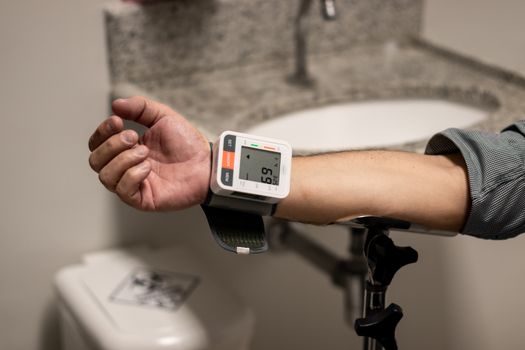
Close-up of an arm using a wrist sphygmomanometer in a healthcare setting. Photo: Lucas Oliveira / Pexels
High blood pressure, or hypertension, is a pervasive health issue in the United States, affecting an estimated 116 million adults, nearly half of the adult population. Often dubbed the 'silent killer,' it frequently presents with no obvious symptoms, yet it significantly increases the risk of severe health complications such as heart disease, stroke, kidney disease, and even vision loss. Understanding what high blood pressure is and its potential dangers is the crucial first step in learning how to manage high blood pressure naturally. Blood pressure is the force of your blood pushing against the walls of your arteries as your heart pumps blood. It's measured in millimeters of mercury (mmHg) and expressed as two numbers: systolic (the top number), which measures the pressure when your heart beats, and diastolic (the bottom number), which measures the pressure when your heart rests between beats. A normal blood pressure reading is generally considered to be less than 120/80 mmHg. Hypertension is typically diagnosed when readings consistently reach 130/80 mmHg or higher. While genetics and age can play a role, lifestyle factors are overwhelmingly significant contributors to the development of high blood pressure. These include an unhealthy diet, lack of physical activity, excessive alcohol consumption, smoking, chronic stress, and obesity. The insidious nature of hypertension means that many people live with it for years without knowing, allowing it to silently damage their cardiovascular system. Early detection through regular check-ups and proactive management are paramount. Fortunately, for many individuals, particularly those with prehypertension or stage 1 hypertension, implementing natural strategies can be remarkably effective in bringing blood pressure back into a healthy range, often preventing the need for medication or reducing existing dosages. This article will delve deep into these evidence-based natural approaches, empowering you with the knowledge and tools to take control of your cardiovascular health. Recognizing the signs, even subtle ones like occasional headaches or dizziness, should prompt a visit to your doctor for an accurate diagnosis and to discuss a comprehensive management plan. For more information on preventative care, explore our resources on heart health screenings.

Dietary Interventions: Fueling a Healthier Heart
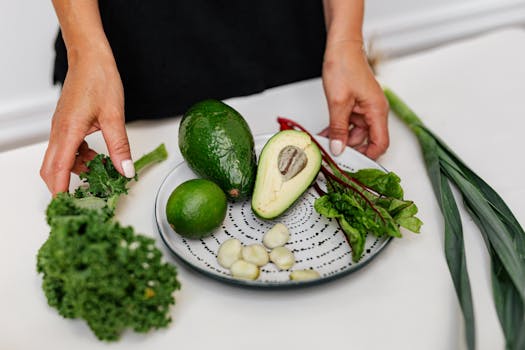
Top view of assorted fresh ingredients including avocado and kale on a plate. Perfect for healthy eating themes. Photo: www.kaboompics.com / Pexels
The food we consume plays an incredibly powerful role in regulating blood pressure. When exploring how to manage high blood pressure naturally, dietary changes often yield the most significant and immediate results. The cornerstone of a blood pressure-friendly diet is the DASH (Dietary Approaches to Stop Hypertension) eating plan. This approach emphasizes fruits, vegetables, whole grains, lean proteins (especially fish and poultry), and low-fat dairy products, while limiting saturated and trans fats, cholesterol, and added sugars. The abundance of potassium, magnesium, and calcium in these foods helps counteract the effects of sodium and promote vasodilation, the widening of blood vessels. Sodium reduction is perhaps the most critical dietary modification. Most Americans consume far more sodium than recommended, largely from processed and restaurant foods. Aim to reduce your daily sodium intake to less than 2,300 milligrams (mg), and ideally, for many people with hypertension, to 1,500 mg. Reading food labels meticulously is essential, as hidden sodium can lurk in seemingly innocuous items like bread, soups, and condiments. Conversely, increasing potassium intake through foods like bananas, spinach, avocados, sweet potatoes, and white beans can help flush excess sodium from your body and relax blood vessel walls. Magnesium, found in leafy greens, nuts, seeds, and whole grains, also contributes to blood pressure regulation by supporting proper muscle and nerve function, including those in the heart and blood vessels. Beyond these macronutrients, incorporating specific foods known for their hypotensive properties can further enhance your efforts. Beetroot juice, for instance, is rich in nitrates, which the body converts into nitric oxide, a powerful vasodilator. Berries, especially blueberries and strawberries, are packed with anthocyanins, antioxidants that may improve blood vessel function. Flaxseeds, high in omega-3 fatty acids and fiber, have been shown to modestly lower blood pressure. Even dark chocolate, in moderation, with a high cocoa content (70% or more), contains flavonoids that can promote nitric oxide production. Remember that hydration is also vital; drinking adequate water supports overall bodily functions, including kidney health, which is integral to blood pressure regulation. Making gradual, sustainable changes rather than drastic overhauls will lead to long-term success in adopting these heart-healthy eating habits.

The Power of Movement and Stress Reduction

Man in black shirt meditates peacefully in a lush green park, eyes closed in relaxation Photo: MART PRODUCTION / Pexels
Physical activity is a non-negotiable component when learning how to manage high blood pressure naturally. Regular exercise makes your heart stronger and more efficient at pumping blood, which reduces the force on your arteries and, consequently, your blood pressure. Aim for at least 150 minutes of moderate-intensity aerobic activity per week, or 75 minutes of vigorous-intensity exercise. Moderate activities include brisk walking, cycling, swimming, or dancing, while vigorous activities might involve running, hiking uphill, or playing competitive sports. Even short bursts of activity throughout the day can add up and make a difference. Incorporating strength training at least two days a week can also be beneficial, as building lean muscle mass can improve metabolism and help maintain a healthy weight, another factor in blood pressure control. Consistency is key; sporadic exercise will not yield the same benefits as a regular routine. Always consult your doctor before starting any new exercise program, especially if you have existing health conditions. Beyond structured workouts, reducing sedentary time is crucial. Simple habits like taking the stairs instead of the elevator, parking further away, or taking short walking breaks during the workday can contribute to better cardiovascular health. The goal is to make movement an integral part of your daily life, not just an occasional chore. The benefits extend beyond blood pressure, improving mood, energy levels, and sleep quality. For those new to exercise, starting small and gradually increasing intensity and duration is a safe and effective approach. Even a 10-minute walk several times a day can begin to make a positive impact. Chronic stress is another significant contributor to high blood pressure. When you're stressed, your body releases hormones that temporarily constrict blood vessels and increase heart rate. While this is a natural 'fight or flight' response, chronic activation can lead to sustained high blood pressure. Therefore, stress management is a vital aspect of how to manage high blood pressure naturally. Techniques such as mindfulness meditation, deep breathing exercises, yoga, and tai chi can be incredibly effective. Even engaging in hobbies, spending time in nature, or connecting with loved ones can significantly reduce stress levels. Ensuring adequate, quality sleep (7-9 hours per night for most adults) also plays a critical role, as sleep deprivation can elevate stress hormones and blood pressure. Developing a personalized stress-reduction strategy, much like a dietary plan, will be most effective. For more insights into holistic well-being, read our guide on mind-body connection for health.

Lifestyle Adjustments and Monitoring for Long-Term Success
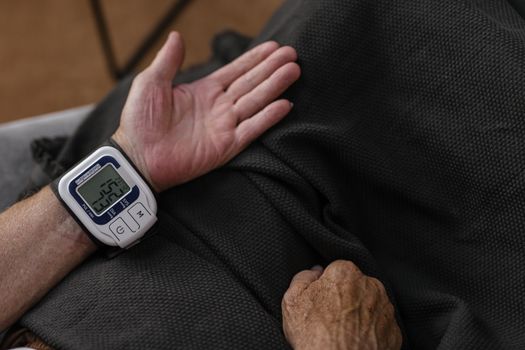
A senior adult using a wrist blood pressure monitor at home, focusing on health management. Photo: SHVETS production / Pexels
Successfully learning how to manage high blood pressure naturally requires a comprehensive approach that extends beyond diet and exercise to encompass broader lifestyle adjustments and diligent monitoring. One of the most impactful changes involves maintaining a healthy weight. Excess body weight, particularly around the waistline, significantly increases the risk of hypertension. Losing even a modest amount of weight (5-10% of your body weight) can lead to a notable reduction in blood pressure. This weight loss often complements dietary and exercise efforts, creating a virtuous cycle of improved health. Focus on sustainable, gradual weight loss through balanced nutrition and regular physical activity, rather than crash diets that are often unsustainable and unhealthy. Limiting alcohol consumption is another crucial step. While moderate alcohol intake (up to one drink per day for women and up to two drinks per day for men) might have some cardiovascular benefits for certain individuals, excessive drinking can significantly raise blood pressure. Alcohol can also interfere with blood pressure medications, making them less effective. If you drink, do so in moderation, or consider reducing your intake altogether. Similarly, quitting smoking is one of the single most important things you can do for your overall health, including blood pressure. Nicotine temporarily increases blood pressure and heart rate, and the chemicals in tobacco smoke damage artery walls, leading to hardening and narrowing, which further elevates blood pressure and increases the risk of heart disease and stroke. Regular home blood pressure monitoring is indispensable for tracking your progress and understanding how your lifestyle changes impact your readings. Invest in a reliable, accurate home blood pressure monitor and take readings at the same time each day, ideally in the morning before medication and food, and again in the evening. Keep a log of your readings to share with your doctor. This data empowers both you and your healthcare provider to make informed decisions about your management plan. Additionally, consider incorporating certain supplements, but *always* consult your doctor first. While some supplements like potassium, magnesium, coenzyme Q10, and omega-3 fatty acids may offer benefits, they can interact with medications or be contraindicated for certain conditions. A holistic approach, combining all these elements, provides the most robust strategy for long-term blood pressure control and overall well-being. Regular check-ups with your physician remain paramount to ensure your natural management plan is effective and safe.

Comparison

FeatureDASH DietMediterranean DietLow-Sodium Diet
FocusFruits, Veggies, Whole Grains, Low-Fat DairyFruits, Veggies, Olive Oil, Fish, NutsProcessed Food Restriction
Sodium LevelLow (1500-2300mg)Moderate to Low (variable)Very Low (typically <1500mg)
Potassium Rich✗ (not primary focus)
Effectiveness for BPExcellentVery GoodExcellent (if strictly adhered)

What Readers Say

"After years of struggling, I finally learned how to manage high blood pressure naturally through diet and exercise. My doctor is thrilled with my progress, and I feel so much healthier and more energetic."

Sarah J. · Austin, TX

"This guide was incredibly helpful. I've incorporated daily walks and cut back on processed foods, and my blood pressure readings have steadily decreased. It's amazing what small changes can do."

Michael D. · Chicago, IL

"I was able to reduce my systolic blood pressure by 15 points in three months by following the advice here. The focus on stress reduction was particularly impactful for me, alongside the dietary recommendations."

Emily R. · Denver, CO

"While some changes were challenging, the comprehensive approach outlined here provided a clear roadmap. My blood pressure is now consistently in the healthy range, though it required significant commitment."

David K. · Seattle, WA

"As a busy professional, I appreciated the practical tips for integrating these changes into a hectic schedule. Learning how to manage high blood pressure naturally has given me peace of mind and better health."

Maria S. · Miami, FL

Frequently Asked Questions

What is the most effective natural way to lower blood pressure?

The most effective natural way to lower blood pressure involves a combination of consistent dietary changes (like the DASH diet and sodium reduction), regular physical activity, maintaining a healthy weight, and effective stress management. No single method is a magic bullet, but a holistic approach yields the best results.

Can I stop taking my blood pressure medication if I start natural management?

Absolutely not. You should never stop or adjust your blood pressure medication without consulting your doctor. While natural methods can be highly effective, medication changes must be supervised by a healthcare professional to ensure your safety and health.

How quickly can natural methods lower blood pressure?

The speed at which natural methods lower blood pressure varies from person to person. Some individuals may see improvements within a few weeks of consistent effort, while for others, it might take a few months. Consistency is key, and gradual, sustainable changes often lead to lasting results.

Are natural methods expensive compared to medication?

While there may be initial costs for things like a home blood pressure monitor or healthier groceries, natural methods often prove to be more cost-effective in the long run. They can reduce the need for expensive medications and prevent costly complications associated with uncontrolled hypertension.

How do natural remedies compare to prescription drugs for hypertension?

Natural remedies are often the first line of defense for prehypertension or mild hypertension and can significantly reduce the need for or dosage of prescription drugs. However, for moderate to severe hypertension, prescription drugs may be essential. Natural methods should always complement, not replace, medical advice and prescribed treatments.

Who should prioritize learning how to manage high blood pressure naturally?

Anyone with elevated blood pressure, prehypertension, or stage 1 hypertension should prioritize learning how to manage high blood pressure naturally. It's also highly beneficial for individuals with a family history of hypertension or those looking to prevent its onset, even with normal readings.

Are there any risks associated with natural blood pressure management?

Generally, adopting a healthy diet and exercise regimen carries minimal risks and significant benefits. However, drastic dietary changes or the use of certain supplements without medical guidance can sometimes be risky, especially if you have underlying health conditions or are on medication. Always consult your doctor.

What role will technology play in future natural blood pressure management?

Future natural blood pressure management will likely leverage technology more, with smart wearables for continuous monitoring, AI-powered personalized diet and exercise plans, and telemedicine for easier access to coaching and medical advice. This will make managing high blood pressure naturally more accessible and data-driven.

Empower yourself with the knowledge and actionable steps to take control of your cardiovascular health. By consistently applying these natural strategies, you can significantly improve your blood pressure readings and embrace a healthier, more vibrant life. Start your journey to manage high blood pressure naturally today.

Topics: how to manage high blood pressure naturallynatural blood pressure remedieslower blood pressure without medicationlifestyle changes for hypertensionholistic blood pressure control
Leo List
Brampton weed
Adultwork EstrelaBet Vai de Bet R7 Bet Betão Galera Bet Rainbet Bet9ja Shop SportyBet BetKing Sisal Loto Foot Hollywoodbets YesPlay Odibets RushBet Jugabet BetWarrior BetCity MSport betPawa Fortebet