How to Lower Cholesterol Naturally: Your Guide to a Healthier Heart

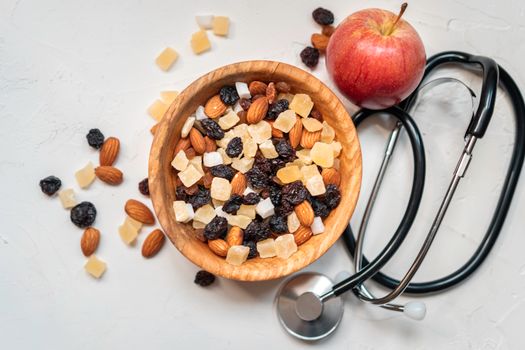
Top view of a mixed nut and dried fruit bowl with an apple and stethoscope, emphasizing healthy eating.Photo: Atlantic Ambience / Pexels

How to Lower Cholesterol Naturally: Your Guide to a Healthier Heart

Unlock the power of lifestyle changes and dietary choices to effectively manage your cholesterol levels and boost cardiovascular wellness.

Start Your Journey Today

Key Takeaways

  • ✓ High cholesterol often has no symptoms but significantly increases heart disease risk.
  • ✓ Dietary changes, particularly reducing saturated and trans fats, are crucial for lowering LDL cholesterol.
  • ✓ Regular physical activity can raise 'good' HDL cholesterol and lower 'bad' LDL cholesterol.
  • ✓ Fiber-rich foods, especially soluble fiber, play a key role in reducing cholesterol absorption.

How It Works

1
Understand Your Cholesterol Profile

Regular blood tests provide crucial insights into your LDL, HDL, and triglyceride levels. Knowing your numbers is the first step toward effective management.

2
Adopt a Heart-Healthy Diet

Focus on whole, unprocessed foods rich in soluble fiber, omega-3 fatty acids, and plant sterols. Limit saturated and trans fats found in many processed items.

3
Embrace Regular Physical Activity

Aim for at least 150 minutes of moderate-intensity aerobic exercise per week. This helps improve cholesterol ratios and overall cardiovascular fitness.

4
Implement Sustainable Lifestyle Changes

Manage stress, quit smoking, and maintain a healthy weight. These holistic approaches contribute significantly to long-term cholesterol control and well-being.

Understanding Cholesterol: The Basics and Why It Matters
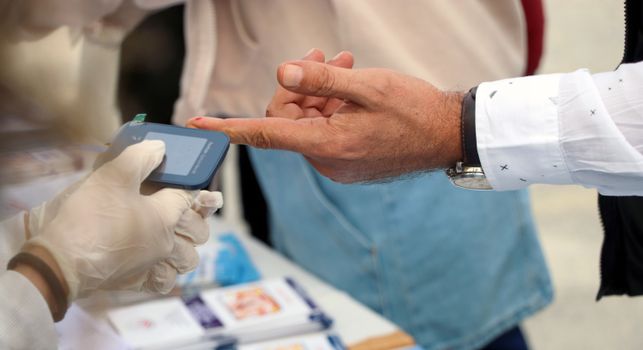
A healthcare professional checks blood glucose at a public event.Photo: Mehmet BALCI / Pexels
Before diving into how to lower cholesterol naturally, it's essential to understand what cholesterol is and its role in your body. Cholesterol is a waxy, fat-like substance found in all your cells. Your body needs cholesterol to make hormones, vitamin D, and substances that help you digest foods. While cholesterol is vital, too much 'bad' cholesterol (LDL) can lead to serious health problems. LDL cholesterol contributes to plaque buildup in your arteries, a condition called atherosclerosis, which can narrow arteries and block blood flow. This increases your risk of heart attack and stroke. On the other hand, 'good' cholesterol (HDL) helps remove excess cholesterol from your arteries, transporting it back to the liver for removal from the body. Maintaining a healthy balance between LDL and HDL cholesterol is paramount for cardiovascular health. Many people are unaware they have high cholesterol because it typically presents no symptoms. This is why regular check-ups and blood tests, often called a lipid panel, are so important. Your doctor can assess your total cholesterol, LDL, HDL, and triglyceride levels to determine your risk profile. Understanding these numbers is the first step in taking control of your heart health. Genetics play a role, but lifestyle choices are often the most significant modifiable factors. Thankfully, many effective natural strategies can help you manage and improve your cholesterol levels. Learn more about the different types of cholesterol and their impact on your health.

Dietary Power: Foods That Actively Lower Cholesterol
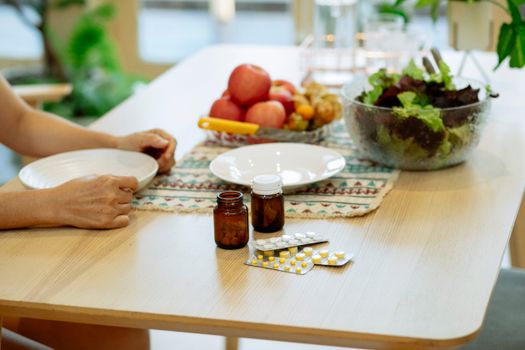
From above of crop anonymous person sitting at table with pile of various medicines and bowls of fresh lettuce salad and ripe fruits in kitchenPhoto: Michelle Leman / Pexels
Your diet is arguably the most powerful tool you have for naturally lowering cholesterol. Focusing on specific food groups can make a significant impact on your LDL levels. First, soluble fiber is a superstar. Found in oats, barley, apples, citrus fruits, beans, and lentils, soluble fiber forms a gel-like substance in your digestive tract that helps reduce the absorption of cholesterol into your bloodstream. Aim for 5-10 grams or more of soluble fiber daily. Next, incorporating omega-3 fatty acids is crucial. These healthy fats, found in fatty fish like salmon, mackerel, and sardines, as well as flaxseeds, chia seeds, and walnuts, can help lower triglycerides and may also slightly increase HDL cholesterol. Plant sterols and stanols, naturally occurring compounds found in small amounts in plants, can also block the absorption of cholesterol from the digestive tract. They are often added to fortified foods like certain margarines, orange juice, and yogurt. Furthermore, replacing saturated and trans fats with unsaturated fats is vital. Saturated fats, common in red meat, full-fat dairy, and many processed snacks, directly raise LDL cholesterol. Trans fats, found in some fried foods and baked goods, are even worse, as they raise LDL and lower HDL. Opt for healthy fats from avocados, nuts, seeds, and olive oil instead. Lastly, incorporating fruits and vegetables, rich in antioxidants and fiber, helps protect your heart in numerous ways beyond just cholesterol management. Making these dietary shifts isn't about deprivation, but about embracing a delicious, heart-healthy way of eating.

Lifestyle Changes: Beyond Diet for Optimal Cholesterol Management
Close-up of an adult woman adjusting her face mask outdoors on a sunny day.Photo: Ketut Subiyanto / Pexels
While diet is foundational, a holistic approach to lowering cholesterol naturally involves several other critical lifestyle adjustments. Regular physical activity stands out as a powerful intervention. Exercise helps increase your 'good' HDL cholesterol, which works to remove excess cholesterol from your arteries. It also helps lower 'bad' LDL cholesterol and triglycerides. Aim for at least 150 minutes of moderate-intensity aerobic exercise per week, such as brisk walking, swimming, or cycling, or 75 minutes of vigorous activity. Even short bursts of activity throughout the day can add up. Maintaining a healthy weight is another crucial factor. Being overweight or obese tends to increase LDL cholesterol and decrease HDL cholesterol. Losing even a modest amount of weight can significantly improve your cholesterol profile. Focus on sustainable weight loss through a combination of healthy eating and regular exercise. Stress management is often overlooked but plays a role in overall heart health. Chronic stress can indirectly affect cholesterol levels by influencing behaviors like poor eating habits or reduced physical activity. Incorporate stress-reducing techniques such as meditation, yoga, deep breathing exercises, or spending time in nature. Finally, if you smoke, quitting is one of the single best things you can do for your heart health. Smoking damages blood vessels, accelerates atherosclerosis, and lowers HDL cholesterol. Quitting can dramatically improve your cholesterol levels and reduce your risk of heart disease. Explore more benefits of regular exercise for cardiovascular health.

Practical Tips and Common Mistakes in Lowering Cholesterol Naturally
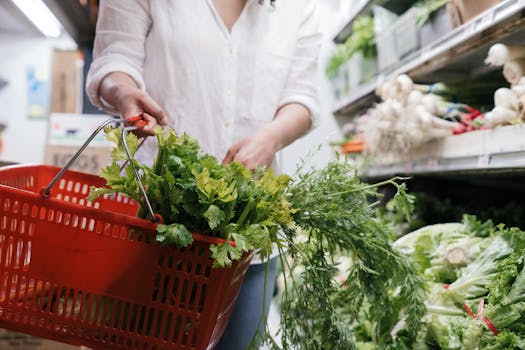
A person holding a grocery basket filled with fresh greens like celery and parsley in a store.Photo: Mike Jones / Pexels
Navigating the journey to lower cholesterol naturally can sometimes feel overwhelming. Here are some practical tips to help you succeed, along with common mistakes to avoid: **Practical Tips:** * **Read Food Labels Diligently:** Pay close attention to saturated fat, trans fat, and fiber content. Choose products with lower saturated fat and no trans fat. * **Cook at Home More Often:** This gives you full control over ingredients, allowing you to reduce unhealthy fats and add more fiber-rich components. * **Incorporate Plant-Based Meals:** Try dedicating one or two days a week to entirely plant-based meals, focusing on legumes, whole grains, and vegetables. * **Snack Smart:** Replace processed snacks with nuts (a handful a day), seeds, fruits, and vegetable sticks. These are packed with fiber and healthy fats. * **Hydrate with Water:** Sugary drinks contribute to weight gain and can indirectly affect cholesterol. Water is always the best choice. * **Consult a Dietitian:** A registered dietitian can provide personalized guidance tailored to your specific needs and preferences. **Common Mistakes to Avoid:** * **Focusing Solely on 'No Cholesterol' Foods:** While avoiding dietary cholesterol can help, saturated and trans fats have a much greater impact on your body's cholesterol production. * **Expecting Instant Results:** Lowering cholesterol naturally takes time and consistency. Be patient and stick with your healthy habits. * **Ignoring Other Risk Factors:** While cholesterol is important, don't neglect other risk factors like high blood pressure, diabetes, and smoking. * **Over-relying on Supplements:** While some supplements like psyllium or red yeast rice may offer benefits, they should complement, not replace, diet and lifestyle changes. Always consult your doctor before starting any supplement. * **Giving Up Too Soon:** It's a journey, not a sprint. Small, consistent efforts lead to significant long-term improvements. Celebrate small victories and don't get discouraged by occasional setbacks.

Comparison

ApproachBest for LDL ReductionBest for HDL IncreaseSide Effects Risk
Dietary Fiber (Soluble)HighModerateVery Low (Bloating)
Omega-3 Fatty AcidsModerateHigh (Triglycerides)Low (Fishy aftertaste)
Regular ExerciseModerateHighVery Low (Muscle soreness)
Plant Sterols/StanolsHighLowLow (Digestive issues)

What Our Readers Say

5 ★★★★★

"I was told my cholesterol was high, and I really wanted to avoid medication. This guide on how to lower cholesterol naturally gave me practical steps. After three months of dietary changes and regular walks, my LDL dropped significantly!"

5 ★★★★★

"Excellent resource! The emphasis on soluble fiber and healthy fats was a game-changer for me. My doctor was impressed with my latest lipid panel results, all thanks to these natural methods."

5 ★★★★★

"I followed the advice on incorporating more plant-based meals and exercising consistently. My total cholesterol went from 220 to 185, and my HDL increased. Truly effective strategies for lowering cholesterol naturally."

4 ★★★★☆

"Very informative article. While it took more discipline than I expected, the results were worth it. I appreciate the detailed breakdown of foods and lifestyle changes. Some tips were easier to implement than others, but overall, a great guide."

5 ★★★★★

"As a busy professional, I needed realistic advice. The section on stress management and practical tips helped me integrate changes seamlessly. My energy levels are up, and my cholesterol is down!"

Frequently Asked Questions

What is the most effective natural way to lower LDL cholesterol?
The most effective natural way to lower LDL cholesterol involves a combination of dietary changes, particularly increasing soluble fiber intake (from oats, beans, fruits) and reducing saturated and trans fats. Regular physical activity also plays a crucial role by improving your overall lipid profile and cardiovascular health.
Can high cholesterol be reversed naturally without medication?
For many individuals, yes. Significant improvements, and sometimes normalization, of cholesterol levels can be achieved through consistent, comprehensive lifestyle changes, including a heart-healthy diet, regular exercise, weight management, and quitting smoking. However, always consult your doctor to determine the best course of action for your specific situation.
How long does it take to see results when trying to lower cholesterol naturally?
Results can vary, but generally, you can expect to see improvements in your cholesterol levels within 3 to 6 months of consistent diet and lifestyle changes. Some individuals may see changes sooner, while others might take a bit longer. Regular follow-up with your doctor for blood tests is essential to monitor progress.
Are there any supplements that can help lower cholesterol naturally?
While diet and lifestyle are primary, some supplements may offer additional support. These include psyllium husk (for fiber), plant sterols/stanols, and red yeast rice. However, it's crucial to discuss any supplement use with your healthcare provider, as they can interact with medications or have side effects.
How does naturally lowering cholesterol compare to using statin medications?
Naturally lowering cholesterol through diet and lifestyle changes is often the first line of defense and can be very effective, especially for mild to moderate elevations. Statins are powerful medications that significantly reduce cholesterol and cardiovascular risk. For some, a combination of lifestyle changes and medication may be necessary, particularly if natural methods aren't sufficient or if the risk of heart disease is very high. Always consult your doctor for personalized advice.
Who should focus on lowering cholesterol naturally?
Anyone with elevated cholesterol levels, a family history of high cholesterol or heart disease, or those looking to maintain optimal cardiovascular health can benefit from focusing on natural cholesterol-lowering strategies. It's a proactive approach to prevent future health issues and improve overall well-being.
Are there risks associated with trying to lower cholesterol naturally?
Generally, adopting a heart-healthy diet and increasing physical activity have minimal risks and significant health benefits. The main 'risk' is not seeing sufficient improvement for individuals with very high cholesterol or genetic predispositions, potentially delaying necessary medical intervention. Always consult a healthcare professional to ensure your approach is appropriate and effective for your individual health needs.
What future trends are emerging in natural cholesterol management?
Future trends include personalized nutrition plans based on genetic predispositions, the increasing role of gut microbiome health in cholesterol metabolism, and advanced functional foods fortified with cholesterol-lowering compounds. Research is continually exploring new plant-based ingredients and lifestyle interventions for even more targeted natural management strategies.

Ready to take control of your heart health? By implementing these proven strategies on how to lower cholesterol naturally, you're investing in a healthier, more vibrant future. Start today and experience the profound benefits of a heart-healthy lifestyle.

Topics: how to lower cholesterol naturallynatural cholesterol remediesheart healthy dietreduce LDL cholesterolcholesterol management
Leo List