✓ Dietary changes, like reducing sodium and increasing potassium, can significantly impact blood pressure.
✓ Regular physical activity is crucial for maintaining healthy blood pressure levels.
✓ Stress management techniques play a vital role in preventing and lowering hypertension.
✓ Adequate sleep and limiting alcohol intake are often overlooked but powerful natural remedies.
How It Works
1
Understand Your Numbers
Regularly monitor your blood pressure at home and understand what the readings mean. This awareness empowers you to track progress and identify effective strategies.
2
Implement Dietary Shifts
Focus on a DASH-style diet rich in fruits, vegetables, and whole grains, while drastically cutting down on processed foods, sodium, and unhealthy fats. Small, consistent changes yield big results.
3
Embrace Active Living
Incorporate at least 30 minutes of moderate-intensity exercise most days of the week. This could be brisk walking, cycling, or swimming, which strengthens your heart and blood vessels.
4
Master Stress Reduction
Practice mindfulness, meditation, deep breathing exercises, or yoga daily. Chronic stress elevates blood pressure, so actively managing it is a cornerstone of natural reduction.
Dietary Powerhouses: Eating Your Way to Lower Blood Pressure
Photo: www.kaboompics.com / Pexels
When seeking to understand how to lower blood pressure naturally fast, diet stands as one of the most immediate and impactful levers you can pull. The foods we consume directly influence our vascular health, fluid balance, and overall cardiovascular function. The Dietary Approaches to Stop Hypertension (DASH) diet is not just a recommendation; it's a scientifically proven eating plan specifically designed to reduce blood pressure. This regimen emphasizes fruits, vegetables, whole grains, lean protein, and low-fat dairy, while significantly limiting saturated and trans fats, cholesterol, sodium, and added sugars. Think vibrant salads, hearty whole-wheat pasta dishes, and lean grilled chicken rather than processed snacks and sugary drinks.
Beyond the DASH framework, specific nutrients play critical roles. Potassium, found abundantly in bananas, avocados, spinach, and sweet potatoes, helps counteract the effects of sodium and relaxes blood vessel walls. Magnesium, present in leafy greens, nuts, seeds, and legumes, is another essential mineral that contributes to healthy blood pressure by supporting muscle and nerve function, including those of the heart. Calcium, often associated with bone health, also plays a part in blood pressure regulation.
Perhaps the most crucial dietary adjustment for rapid blood pressure reduction is sodium restriction. The average American consumes far too much sodium, largely from processed and restaurant foods. Aim for no more than 2,300 milligrams (mg) of sodium per day, and ideally closer to 1,500 mg for most adults, especially those with hypertension. Reading food labels becomes paramount here. Opt for fresh, whole foods whenever possible, and season your meals with herbs and spices instead of salt. Processed meats, canned soups, frozen dinners, and fast food are notorious sodium bombs that should be significantly reduced or eliminated.
Furthermore, increasing your intake of foods rich in omega-3 fatty acids, such as fatty fish (salmon, mackerel, sardines), flaxseeds, and walnuts, can contribute to heart health by reducing inflammation and improving blood vessel function. While not a direct rapid-reduction strategy for blood pressure, consistent intake supports overall cardiovascular resilience. Hydration is also key; drinking adequate water helps your body function optimally and can prevent dehydration-related increases in blood pressure. Remember, consistency in these dietary changes is what truly delivers lasting results in your quest to manage hypertension effectively. Consulting with a registered dietitian can provide personalized guidance and ensure you're meeting all your nutritional needs while making these powerful dietary shifts.
Movement as Medicine: The Impact of Exercise on Blood Pressure
Photo: Ketut Subiyanto / Pexels
For anyone exploring how to lower blood pressure naturally fast, integrating regular physical activity is non-negotiable. Exercise is a potent natural vasodilator, meaning it helps your blood vessels become more flexible and expand, allowing blood to flow more easily and reducing the pressure against arterial walls. When you exercise, your heart becomes stronger and more efficient at pumping blood, which also contributes to lower blood pressure over time. The immediate benefits include a temporary drop in blood pressure after a single session, and consistent activity leads to sustained reductions.
Aerobic exercise, or cardio, is particularly effective. This includes activities that get your heart rate up and make you breathe harder, such as brisk walking, jogging, cycling, swimming, dancing, or hiking. Aim for at least 150 minutes of moderate-intensity aerobic activity or 75 minutes of vigorous-intensity activity per week. This can be broken down into manageable chunks, such as 30 minutes of brisk walking five days a week. Even short bursts of activity throughout the day can add up and make a difference.
Beyond aerobic exercise, incorporating strength training two to three times per week is also beneficial. Lifting weights or performing bodyweight exercises like push-ups, squats, and lunges helps build lean muscle mass, which can improve metabolism and contribute to overall cardiovascular health. While the direct impact on blood pressure from strength training might be less immediate than aerobic exercise, it plays a crucial supporting role in a comprehensive fitness regimen.
Flexibility and balance exercises, such as yoga or stretching, while not directly impacting blood pressure as significantly as cardio or strength training, contribute to overall well-being, reduce stress, and improve body awareness, all of which indirectly support healthy blood pressure levels.
It's important to start slowly, especially if you've been inactive, and gradually increase the intensity and duration of your workouts. Always consult your doctor before starting any new exercise program, particularly if you have existing health conditions. Consistency is the key to harnessing the blood pressure-lowering power of exercise. Make it a regular part of your routine, and you'll not only see improvements in your blood pressure but also in your energy levels, mood, and overall quality of life.
Mind-Body Connection: Stress Reduction and Sleep for Optimal Health
Photo: MART PRODUCTION / Pexels
The intricate connection between our mind, body, and blood pressure cannot be overstated, especially when discussing how to lower blood pressure naturally fast. Chronic stress is a significant contributor to hypertension. When you're stressed, your body releases hormones like adrenaline and cortisol, which cause your heart to beat faster and your blood vessels to constrict, leading to a temporary spike in blood pressure. While these spikes are normal in response to acute stress, prolonged exposure to stress can lead to sustained high blood pressure, increasing the risk of heart disease.
Therefore, mastering stress management techniques is a cornerstone of natural blood pressure reduction. Mindfulness meditation involves focusing on the present moment, observing thoughts and feelings without judgment, and can significantly reduce stress and promote relaxation. Deep breathing exercises, such as diaphragmatic breathing, can activate your parasympathetic nervous system, which is responsible for the 'rest and digest' response, effectively lowering heart rate and blood pressure. Yoga, tai chi, and other mind-body practices combine physical postures, breathing techniques, and meditation to cultivate calm and reduce stress. Even simple activities like spending time in nature, listening to calming music, or engaging in hobbies you enjoy can be powerful stressbusters.
Equally vital, and often overlooked, is the profound impact of sleep on blood pressure. During sleep, your blood pressure naturally drops, giving your heart and blood vessels a much-needed rest. Chronic sleep deprivation or poor sleep quality can disrupt this natural rhythm, leading to persistently elevated blood pressure. Adults should aim for 7-9 hours of quality sleep per night. Establishing a consistent sleep schedule, creating a relaxing bedtime routine, ensuring your bedroom is dark, quiet, and cool, and avoiding caffeine and alcohol before bed can all contribute to better sleep hygiene. If you suspect you have a sleep disorder like sleep apnea, which is strongly linked to hypertension, it's crucial to seek medical evaluation and treatment. Addressing sleep issues can be a surprisingly effective way to naturally lower blood pressure.
Together, stress reduction and adequate sleep work synergistically to support your cardiovascular system, making them indispensable components of any strategy to achieve long-term blood pressure control and improve overall health.
Lifestyle Adjustments: Small Changes, Big Impact on Blood Pressure
Photo: oscar Williams / Pexels
Beyond diet, exercise, and stress management, several other lifestyle adjustments can significantly contribute to how to lower blood pressure naturally fast. These might seem like minor changes individually, but their cumulative effect can be profound for long-term cardiovascular health.
Firstly, limiting alcohol intake is crucial. While moderate alcohol consumption (up to one drink per day for women and up to two for men) might be acceptable for some, excessive drinking can raise blood pressure to unhealthy levels. Alcohol can also interfere with blood pressure medications. If you drink, do so in moderation, or consider reducing your intake altogether.
Secondly, quitting smoking is one of the single most impactful steps you can take for your overall health, including your blood pressure. Every cigarette you smoke temporarily increases your blood pressure. The chemicals in tobacco damage blood vessel walls, harden arteries, and contribute to inflammation, all of which elevate blood pressure and increase the risk of heart disease. Quitting smoking allows your blood vessels to begin healing and can lead to significant blood pressure improvements.
Thirdly, maintaining a healthy weight is paramount. Being overweight or obese places extra strain on your heart and circulatory system, often leading to higher blood pressure. Even a modest weight loss of 5-10% of your body weight can have a noticeable effect on reducing blood pressure. This ties back directly to dietary changes and regular exercise, forming a virtuous cycle of health improvement.
Fourthly, regularly monitoring your blood pressure at home provides valuable data. It empowers you to see the impact of your lifestyle changes and share accurate readings with your healthcare provider. Ensure you're using a validated monitor and following proper measurement techniques.
Finally, considering certain natural supplements, under medical supervision, might offer additional support. Examples include hibiscus tea, hawthorn, CoQ10, and garlic extract. However, it is absolutely critical to discuss any supplement use with your doctor, as some can interact with medications or have adverse effects, especially when aiming to lower blood pressure naturally fast. Never replace prescribed medication with supplements without professional guidance. These lifestyle adjustments, when consistently applied, reinforce the benefits of diet, exercise, and stress reduction, creating a robust framework for managing and lowering your blood pressure naturally.
Comparison
Feature
DASH Diet
Exercise (Aerobic)
Stress Reduction
Weight Management
Speed of Impact
Moderate to Fast
Moderate to Fast
Immediate to Moderate
Moderate to Long-term
Primary Mechanism
Sodium/Potassium Balance
Heart Strengthening/Vessel Dilation
Hormone Regulation
Reduced Heart Strain
Ease of Implementation
Moderate
Moderate
Varies by technique
Moderate (requires consistency)
Long-term Sustainability
✓
✓
✓
✓
What Readers Say
★★★★★
"After focusing on the DASH diet and daily walks for just two weeks, my blood pressure dropped from 145/90 to 128/82. I was amazed at how quickly these natural changes helped lower blood pressure naturally fast!"
Sarah J. · Austin, TX
★★★★★
"Incorporating meditation and cutting back on processed foods made a huge difference. My doctor noticed the improvement, and I feel so much calmer and healthier now. Highly recommend these natural approaches."
Mark T. · Chicago, IL
★★★★★
"I started doing 30 minutes of cycling daily and drastically reduced my salt intake. Within a month, my systolic pressure dropped by 15 points! It truly showed me how to lower blood pressure naturally fast."
Emily R. · Denver, CO
★★★★★
"While it wasn't an overnight miracle, consistent changes to my diet and more regular exercise have definitely brought my numbers down. It takes effort, but the results are worth it for my heart health."
David L. · Miami, FL
★★★★★
"As a busy professional, I thought stress was unavoidable. But dedicating 15 minutes to deep breathing daily and prioritizing sleep has made a noticeable impact on my blood pressure readings and overall well-being."
Jessica M. · Seattle, WA
Frequently Asked Questions
What is the fastest way to lower blood pressure naturally?
The fastest way often involves a combination of immediate dietary changes (drastically reducing sodium, increasing potassium-rich foods), engaging in moderate-intensity aerobic exercise daily, and practicing acute stress-reduction techniques like deep breathing. While not instantaneous, these can show results in days to weeks.
Can I really lower my blood pressure without medication?
For many individuals with prehypertension or mild hypertension, significant lifestyle changes can effectively lower blood pressure to healthy levels without medication. However, those with severe hypertension or underlying conditions should always consult a doctor, as medication may be necessary in conjunction with lifestyle changes.
How much exercise do I need to see a difference in my blood pressure?
Aim for at least 150 minutes of moderate-intensity aerobic exercise per week, such as brisk walking, jogging, or cycling. This can be broken into 30-minute sessions most days of the week. Even short, consistent bursts of activity can contribute to noticeable improvements.
Are there any specific foods I should avoid to lower blood pressure?
To lower blood pressure naturally fast, you should strictly limit high-sodium processed foods, fast food, canned soups, frozen dinners, cured meats, and sugary beverages. Also, reduce saturated and trans fats found in fried foods and many baked goods.
How do natural methods compare to prescription medications for blood pressure?
Natural methods are often the first line of defense for mild hypertension and can significantly reduce the need for or dosage of medication. For moderate to severe hypertension, natural methods complement medication, enhancing its effectiveness and supporting overall cardiovascular health. Always discuss with your doctor.
Who should consider trying to lower blood pressure naturally fast?
Individuals with elevated blood pressure (prehypertension) or newly diagnosed mild hypertension are ideal candidates. Anyone looking to reduce their reliance on medication or improve overall cardiovascular health can benefit. However, pregnant women, those with severe hypertension, or other serious health conditions should always consult their doctor first.
Is it safe to stop blood pressure medication if I start natural remedies?
Absolutely not. Never stop or adjust your blood pressure medication without explicit instruction and supervision from your healthcare provider. Natural remedies should be discussed with your doctor and used as a complementary approach. Your doctor will monitor your progress and make any necessary adjustments to your medication regimen.
What future trends are emerging in natural blood pressure management?
Future trends include personalized nutrition plans based on genetic profiling, wearable devices for continuous blood pressure monitoring and biofeedback, and advanced research into specific gut microbiome interventions that impact cardiovascular health. Telehealth and AI-driven coaching will also play larger roles in guiding natural lifestyle changes.
Taking control of your blood pressure naturally is an empowering journey that yields profound health benefits. By consistently implementing these evidence-based strategies, you can effectively learn how to lower blood pressure naturally fast and sustain a healthier, more vibrant life. Start today, consult your doctor, and commit to a future where your heart health thrives.
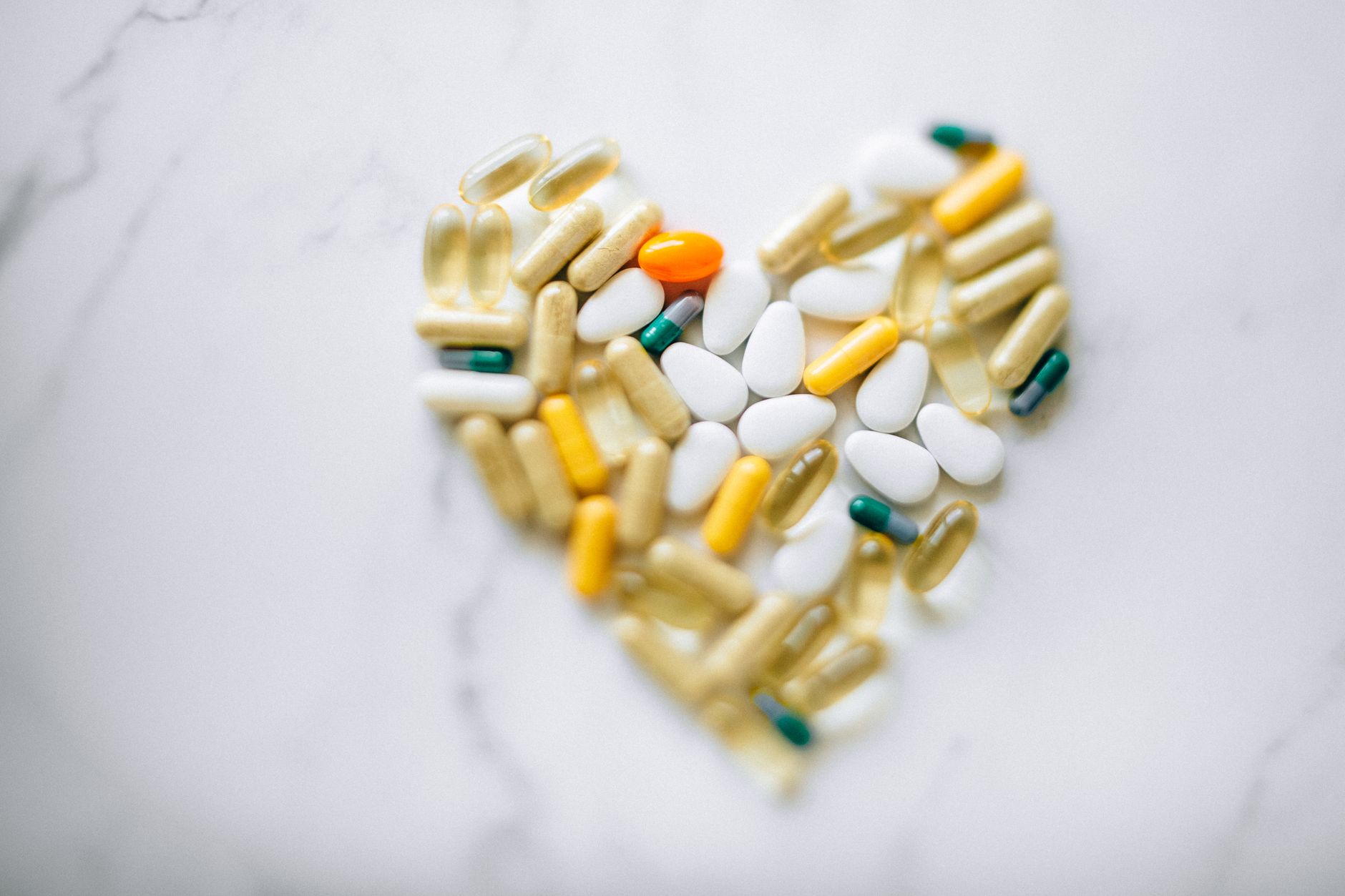
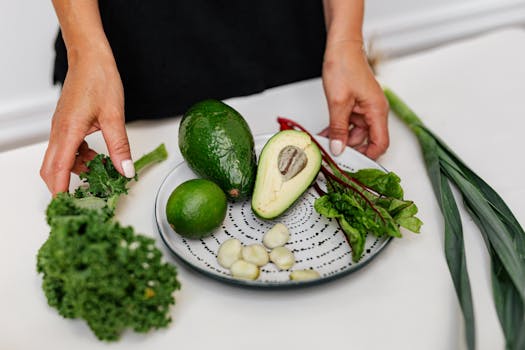 Photo: www.kaboompics.com / Pexels
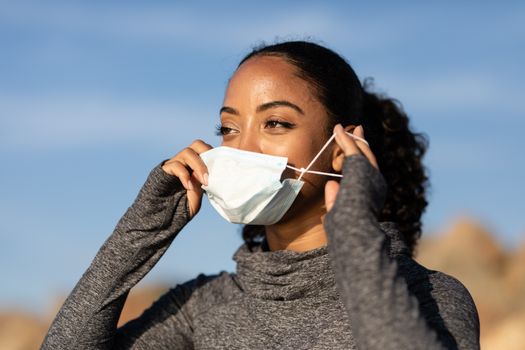 Photo: Ketut Subiyanto / Pexels
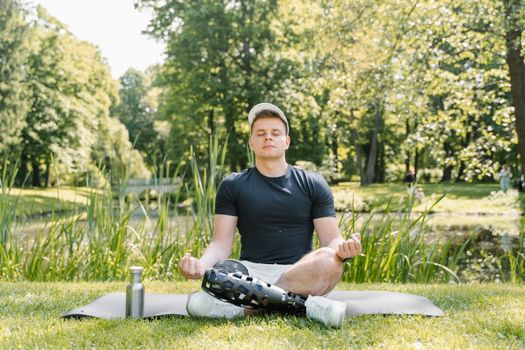 Photo: MART PRODUCTION / Pexels
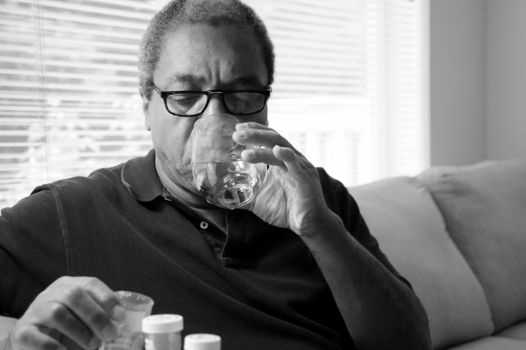 Photo: oscar Williams / Pexels