✓ Telemedicine options are increasingly available for initial consultations or follow-ups, even in NYC.
How It Works
1
Define Your Needs
Before searching, identify your primary dermatological concern, whether it's acne, eczema, anti-aging, or a suspicious mole. This helps narrow down specialists.
2
Leverage Trusted Resources
Utilize online directories, hospital affiliations, and personal recommendations to compile a preliminary list of potential dermatologists. Look for board certification.
3
Verify & Research
Check insurance compatibility, read patient reviews, and research the doctor's experience and approach. A quick phone call can clarify many initial questions.
4
Book Your Consultation
Schedule an initial appointment. This allows you to assess the clinic environment, the doctor's bedside manner, and their proposed treatment plan firsthand.
Navigating the New York City Dermatology Landscape
Photo: Jonathan Meyer / Pexels
Finding a dermatologist in New York City can feel like a daunting task amidst the city's vast medical offerings. With a population exceeding 8 million, and a corresponding abundance of healthcare providers, pinpointing the right skin specialist requires a strategic approach. The sheer volume of options, from world-renowned academic medical centers to boutique private practices, can be overwhelming. However, this diversity also means that virtually every dermatological need, no matter how specialized, can be met within the five boroughs. The key is to understand how to effectively filter through these choices to find a practitioner who aligns with your specific health concerns, insurance plan, and personal preferences.
Starting your search by understanding the different types of dermatologists is crucial. Do you need a general dermatologist for routine skin checks and common conditions like acne or eczema? Are you looking for a cosmetic dermatologist to address anti-aging concerns, injectables, or laser treatments? Perhaps a pediatric dermatologist for your child's skin issues, or a dermatologic surgeon for mole removal or skin cancer treatment? NYC has specialists in every sub-field. Recognizing your primary need will significantly narrow your search and help you ask more targeted questions when evaluating potential doctors. For instance, a dermatologist specializing in melanoma detection will have a different practice focus than one known for advanced aesthetic procedures.
Beyond specialization, logistical factors play a significant role in NYC. Proximity to your home or work, public transportation access, and clinic hours are practical considerations that can impact your ability to consistently attend appointments. A highly-rated dermatologist might be less suitable if their office is inaccessible or their hours conflict with your schedule. Consider the commute times and ease of scheduling, especially if you anticipate multiple follow-up visits. Many practices now offer online booking and telemedicine, which can be a game-changer for busy New Yorkers. Exploring these options early in your search can save you time and stress in the long run. The goal is to find a balance between expertise, convenience, and a comfortable patient experience. For more on general medical resources, check out our guide on finding a primary care physician.
Essential Steps to Identify Top NYC Dermatologists
Photo: RDNE Stock project / Pexels
Once you've defined your needs, the next critical step is to actively identify top dermatologists in New York City. This process involves leveraging a combination of reliable resources and conducting thorough due diligence. Start with referrals: your primary care physician is an excellent first point of contact. They often have established relationships with specialists and can recommend dermatologists within your insurance network who align with your specific condition. Don't hesitate to ask friends, family, or colleagues for personal recommendations, especially those who have similar skin concerns or live in your area. Personal experiences can provide invaluable insights into a doctor's bedside manner, clinic efficiency, and treatment effectiveness.
Online directories and professional organizations are indispensable tools. Websites like the American Academy of Dermatology (AAD) offer a 'Find a Dermatologist' tool that allows you to search for board-certified dermatologists by location and specialty. Other reputable platforms include Zocdoc, Healthgrades, and Vitals, which provide extensive doctor profiles, patient reviews, and often allow for online appointment booking. When using these sites, pay close attention to board certification – this is a non-negotiable credential indicating a doctor has met rigorous standards in their field. Look for affiliations with major NYC hospital systems such as NYU Langone Health, NewYork-Presbyterian, Mount Sinai, or Northwell Health. Doctors associated with these institutions often have access to cutting-edge research, technology, and a collaborative network of specialists.
Beyond formal credentials, delve into patient reviews. While a single negative review shouldn't deter you, patterns of consistent complaints regarding wait times, staff rudeness, or perceived lack of empathy should raise a red flag. Conversely, repeated praise for a doctor's thoroughness, clear communication, or successful outcomes is a strong positive indicator. Remember to filter reviews by relevant criteria if possible, such as specific conditions treated or types of procedures performed. Finally, check the doctor's professional website. This can offer insights into their philosophy of care, specific services offered, and even provide valuable patient education resources. A well-maintained, informative website often reflects a practice committed to patient engagement and transparency.
Verifying Credentials and Insurance Compatibility in NYC
Photo: Mikhail Nilov / Pexels
After compiling a list of potential dermatologists, the crucial next phase involves verifying their credentials and, perhaps most importantly in New York City, confirming insurance compatibility. This due diligence can save you significant time, money, and frustration down the line. First and foremost, always confirm a dermatologist's board certification. You can do this through the American Board of Dermatology's website, which maintains a public database of certified dermatologists. Board certification ensures that the physician has met rigorous educational, training, and examination standards, signifying a high level of expertise in their field. While state medical licenses are mandatory for practice, board certification goes a step further, indicating specialized competence.
Next, thoroughly investigate their professional background. How long have they been practicing? Do they have any disciplinary actions against their license? State medical boards typically offer online resources to check a doctor's licensing status and history. Look for any publications, research, or teaching appointments, especially if you have a complex or rare condition. A dermatologist who is actively involved in academic medicine or research is often at the forefront of new treatments and technologies. Their affiliations with respected hospitals and medical schools also speak to their professional standing and access to advanced facilities. For example, a dermatologist affiliated with a major academic center like Weill Cornell Medicine might have access to resources not available in smaller private practices.
Insurance compatibility is often the biggest hurdle for patients in NYC. Healthcare costs are high, and navigating insurance networks can be complex. Before scheduling an appointment, always call the dermatologist's office directly to confirm they accept your specific insurance plan and whether they are in-network. Do not rely solely on online directories, as this information can sometimes be outdated. Ask about co-pays, deductibles, and any potential out-of-pocket expenses for the initial consultation and common procedures. If a dermatologist is out-of-network but you are determined to see them, inquire about their billing policies for out-of-network patients, including whether they will submit claims on your behalf or if you'll need to do it yourself. Some practices may offer discounted rates for self-pay patients, so it's always worth asking. Understanding your insurance benefits for dermatological services, including cosmetic vs. medical procedures, is essential to avoid unexpected bills. You can also explore options for understanding your health insurance to better prepare.
Making the Most of Your NYC Dermatology Consultation
Photo: Gustavo Fring / Pexels
Once you’ve successfully navigated the search and verification process and scheduled your initial consultation with a dermatologist in New York City, it’s crucial to prepare to make the most of this appointment. Your first visit is not just for the doctor to assess your skin; it's also your opportunity to assess the doctor and the practice.
**Before your appointment:**
* **Document your concerns:** Write down a clear list of your symptoms, when they started, what makes them better or worse, and any treatments you've tried. Include photos if your condition fluctuates or is hard to describe.
* **Medication list:** Bring a complete list of all medications, supplements, and vitamins you are currently taking, including dosages.
* **Medical history:** Be prepared to discuss your past medical history, family history of skin conditions or cancers, and any allergies.
* **Questions for the doctor:** Prepare a list of questions you want to ask. This could include questions about their experience with your specific condition, treatment options, potential side effects, expected outcomes, and follow-up care.
* **Insurance details:** Have your insurance card and any referral information readily available.
**During the appointment:**
* **Be honest and thorough:** Provide all relevant information, even if it feels embarrassing. Dermatologists are professionals who have seen it all.
* **Ask your questions:** Don't be shy. A good dermatologist will welcome your questions and provide clear, understandable answers.
* **Observe the environment:** Pay attention to the cleanliness of the office, the professionalism of the staff, and how efficiently the practice is run.
* **Assess communication style:** Does the doctor listen attentively? Do they explain things in a way you understand? Do you feel comfortable asking follow-up questions? Effective communication is vital for a strong doctor-patient relationship.
* **Discuss treatment plans:** Ensure you understand the proposed treatment plan, including medications, procedures, timelines, and expected results. Clarify any potential risks or side effects.
**After the appointment:**
* **Review instructions:** Make sure you understand all post-visit instructions, including how to take medications, apply topical treatments, or care for any procedures.
* **Schedule follow-ups:** Book any necessary follow-up appointments as recommended by your dermatologist.
* **Reflect:** Consider if this dermatologist is the right fit for you. If you leave feeling unheard, rushed, or confused, it might be worth considering a second opinion.
Finding the right dermatologist is a partnership. Your active participation in the process, from initial search to ongoing treatment, is key to achieving optimal skin health in the vibrant, sometimes overwhelming, medical landscape of New York City.
Comparison
Feature
Academic Center
Private Practice
Tele-Dermatology
Specialization Access
High (many sub-specialties)
Variable (depends on practice)
Limited (best for common issues)
Cost (Out-of-Pocket)
Potentially Higher
Variable
Often Lower/Fixed
Convenience/Flexibility
Lower (strict scheduling)
Moderate
High (anywhere, anytime)
Research & Innovation
High
Moderate
Lower
Wait Times
Can be longer
Variable
Often shorter
Personalized Care
Variable
Often Higher
Variable
What Readers Say
★★★★★
"I was overwhelmed trying to find a dermatologist in New York City for my persistent acne. This guide helped me pinpoint Dr. Chen in the Upper East Side, and her treatments have been life-changing. Highly recommend following these steps!"
Sarah L. · Manhattan, NY
★★★★★
"Finding a dermatologist in NYC that accepted my insurance felt impossible until I used these tips. Dr. Patel in Brooklyn was a fantastic find – thorough, kind, and very knowledgeable about my eczema."
David R. · Brooklyn, NY
★★★★★
"After a scary mole discovery, I needed to find a dermatologist in New York City quickly. This article led me to a great dermatologic surgeon in Queens, and my biopsy came back clear thanks to their prompt action. So grateful!"
Jessica M. · Queens, NY
★★★★★
"The search for a good dermatologist in NYC was tough, but this guide was a solid starting point. I found a decent practice in the Bronx, though the wait times are a bit long. Still, the doctor is excellent."
Michael S. · The Bronx, NY
★★★★★
"As a busy professional, I appreciated the advice on telemedicine. I was able to find a dermatologist in New York City who offered virtual consultations, saving me travel time and making my initial assessment so much easier."
Emily P. · Staten Island, NY
Frequently Asked Questions
What's the best way to find a dermatologist in New York City who accepts my insurance?
Start by calling your insurance provider to get a list of in-network dermatologists. Then, cross-reference that list with online directories like Zocdoc or the American Academy of Dermatology's search tool, and always call the dermatologist's office directly to confirm their current insurance acceptance before booking.
How long does it usually take to get an appointment with a good dermatologist in NYC?
Appointment wait times can vary significantly, from a few days to several months, especially for highly sought-after specialists or academic centers. If your condition is urgent, clearly communicate this to the office or consider asking for a cancellation list opening.
Can I use telemedicine for my initial dermatology consultation in New York City?
Yes, many dermatologists in New York City now offer telemedicine for initial consultations, particularly for common conditions like acne, rashes, or follow-ups. However, some conditions requiring in-person examination or procedures will necessitate an office visit.
What are the typical costs for a dermatologist visit in NYC if I don't have insurance?
Without insurance, an initial consultation with a dermatologist in NYC can range from $150 to $500 or more, depending on the doctor's experience, location, and the complexity of the visit. Always inquire about self-pay rates when booking.
Is it better to see a dermatologist affiliated with a major hospital system in NYC?
Dermatologists affiliated with major hospital systems (like NYU Langone, NewYork-Presbyterian) often have access to advanced technology, specialized sub-specialists, and are involved in cutting-edge research. This can be beneficial for complex conditions, though private practices can also offer excellent care.
Who should prioritize finding a dermatologist in New York City?
Anyone with persistent skin issues, suspicious moles, a family history of skin cancer, or those seeking expert cosmetic skin care should prioritize finding a dermatologist. Regular skin checks are crucial for early detection and prevention.
Are there any risks associated with choosing a dermatologist solely based on online reviews?
While online reviews offer valuable insights, relying solely on them can be risky. Verify board certification, check for disciplinary actions, and consider a range of reviews. A few negative experiences don't always reflect overall quality, but consistent patterns should be noted.
What trends are emerging in dermatology services in New York City?
Key trends in NYC dermatology include a rise in personalized medicine, advanced non-invasive cosmetic procedures, increased adoption of artificial intelligence for diagnostics, and a continued expansion of accessible telemedicine options for routine care.
Don't let the vastness of New York City's medical landscape deter you from achieving healthy, radiant skin. By following these expert strategies, you can confidently find a dermatologist in New York City who meets your specific needs. Take the first step towards optimal skin health today!

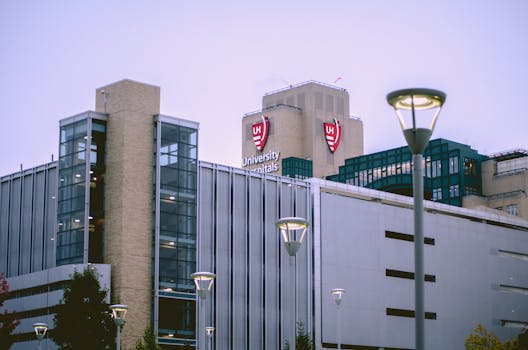 Photo: Jonathan Meyer / Pexels
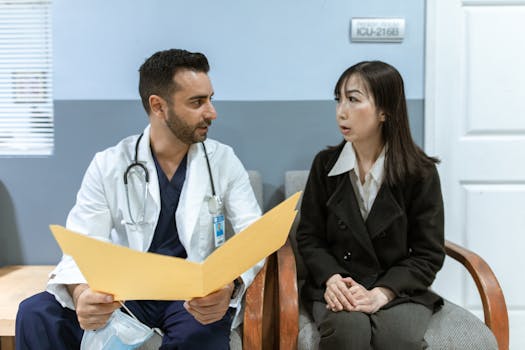 Photo: RDNE Stock project / Pexels
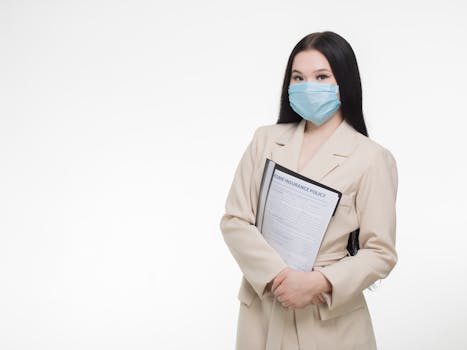 Photo: Mikhail Nilov / Pexels
 Photo: Gustavo Fring / Pexels