How to Find a Dermatologist for Acne Treatment: Your Guide
find a dermatologist for acne treatment

How to Find a Dermatologist for Acne Treatment: Your Guide

Unlock the secrets to finding the perfect dermatologist to conquer your acne and achieve lasting clear skin.

Start Your Search

Key Takeaways

  • ✓ Acne affects up to 50 million Americans annually, making it the most common skin condition.
  • ✓ A board-certified dermatologist is crucial for effective, personalized acne treatment.
  • ✓ Treatment options range from topical creams and oral medications to advanced procedures like lasers and chemical peels.
  • ✓ Early intervention can prevent severe scarring and improve long-term skin health.

How It Works

1
Identify Your Needs

Assess the severity and type of your acne. Consider your budget, location, and insurance coverage to narrow down potential dermatologists.

2
Research and Gather Referrals

Seek recommendations from your primary care physician, friends, or family. Utilize online directories and review sites to build a shortlist of qualified professionals.

3
Verify Credentials and Experience

Ensure the dermatologist is board-certified by the American Board of Dermatology. Look for experience specifically in treating acne and inquire about their treatment philosophies.

4
Schedule a Consultation

Book an initial appointment to discuss your concerns, ask questions, and evaluate the dermatologist's communication style and the clinic's environment. This helps ensure a good fit for your treatment journey.

Understanding Acne and When to Seek Professional Help
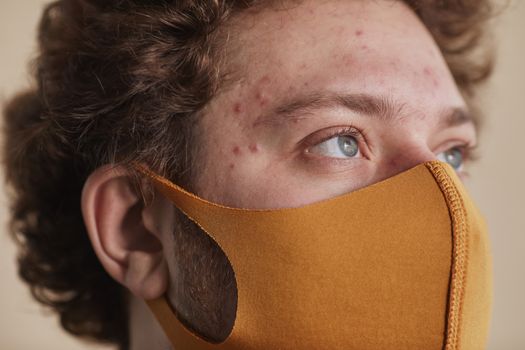
Detailed close-up of a man wearing a face mask, highlighting his acne and blue eyes. Photo: ShotPot / Pexels
Acne is far more than just a cosmetic nuisance; it's a chronic inflammatory skin condition that can significantly impact a person's quality of life, self-esteem, and even mental health. Affecting millions of Americans, acne manifests in various forms, from mild blackheads and whiteheads to severe cysts and nodules. Understanding the different types of acne and their underlying causes is the first step towards effective treatment. Common culprits include excess oil production (sebum), clogged hair follicles, bacteria (Propionibacterium acnes), and inflammation. Hormonal fluctuations, genetics, diet, and stress can also play significant roles in its development and severity. While over-the-counter (OTC) products can be effective for very mild cases, many individuals find themselves frustrated by persistent breakouts that don't respond to these readily available solutions. This is precisely when professional intervention becomes critical. If you're experiencing moderate to severe acne, have tried OTC treatments for several weeks without success, notice signs of scarring (dark spots, pitted marks), or if your acne is causing significant emotional distress, it's a clear signal to seek the expertise of a dermatologist. Delaying professional treatment can lead to more severe scarring, hyperpigmentation, and prolonged emotional impact. A dermatologist can accurately diagnose the type and severity of your acne, rule out other skin conditions that might mimic acne, and devise a personalized treatment plan tailored to your specific needs. They possess a deep understanding of dermatological science and access to a broader range of prescription-strength medications and advanced procedures that are not available without a medical professional's oversight. Don't underestimate the impact of acne; early and effective treatment can prevent long-term damage to your skin and restore your confidence. Recognizing when to transition from self-treatment to professional care is a pivotal moment in your journey toward clear skin. Understanding acne's impact is crucial for this decision.

The Importance of a Board-Certified Dermatologist for Acne Treatment
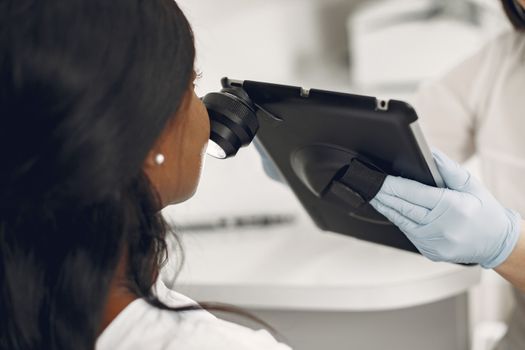
Dermatologist examining a patient's skin using a digital dermatoscope and tablet for precision observation. Photo: Gustavo Fring / Pexels
When it comes to treating a complex skin condition like acne, the expertise of a board-certified dermatologist is paramount. Board certification signifies that a physician has not only completed extensive medical training but has also passed rigorous examinations administered by the American Board of Dermatology. This certification ensures they possess the highest level of knowledge, skills, and ethical standards in the field of dermatology. Non-certified practitioners, while perhaps offering some skin services, often lack the comprehensive understanding of skin pathology, pharmacology, and advanced treatment modalities necessary for effectively managing persistent or severe acne. A board-certified dermatologist has undergone years of specialized training focusing on the diagnosis and treatment of thousands of skin conditions, including all forms of acne. They are equipped to differentiate between various acne types (comedonal, inflammatory, cystic) and other skin conditions that might resemble acne, ensuring an accurate diagnosis. Beyond diagnosis, their training allows them to prescribe and manage a wide array of prescription-strength medications, both topical and oral, which are significantly more potent and effective than anything available over-the-counter. They are also skilled in performing in-office procedures such as chemical peels, extractions, steroid injections, and laser therapies, which can be critical for treating severe acne, preventing scarring, and addressing existing scars. Crucially, a board-certified dermatologist understands the potential side effects and interactions of various treatments and can monitor your progress safely and effectively, adjusting your regimen as needed. They stay updated on the latest research, technologies, and best practices in dermatological care, offering you access to cutting-edge solutions. Trusting your acne treatment to a board-certified professional means you are receiving care from someone who has met the highest standards of their profession, providing you with the best possible chance for clear, healthy skin and preventing long-term damage. This level of expertise is indispensable for navigating the complexities of acne treatment and achieving sustainable results.

Navigating Your Options: How to Find the Right Acne Specialist
A gloved hand holding a paper titled 'Medical Research' with checkboxes. Photo: Tara Winstead / Pexels
Finding the right dermatologist for your acne treatment can feel like a daunting task, but with a structured approach, you can narrow down your options and make an informed choice. The first step often involves gathering referrals. Your primary care physician is an excellent starting point; they can recommend dermatologists within your insurance network and who they trust. Friends, family, or colleagues who have successfully treated their acne can also provide valuable firsthand recommendations. Once you have a list, it's time to leverage online resources. Websites like the American Academy of Dermatology (AAD) offer a 'Find a Dermatologist' tool where you can search for board-certified professionals by location. Other reputable platforms like Zocdoc, Healthgrades, and Vitals allow you to read patient reviews, check insurance affiliations, and view doctors' profiles, including their specialties and experience. Pay close attention to reviews that specifically mention acne treatment outcomes, patient communication, and wait times. After compiling a shortlist, verify each dermatologist's credentials. Confirm they are board-certified by the American Board of Dermatology. This is non-negotiable for quality care. Investigate their areas of specialization; some dermatologists have a particular interest or extensive experience in treating acne. Consider logistics: Is the clinic conveniently located? What are their office hours? Do they accept your insurance? These practical considerations can significantly impact your adherence to a treatment plan. Finally, don't hesitate to schedule an initial consultation. This visit is your opportunity to assess the dermatologist's communication style, their approach to acne treatment, and the overall atmosphere of the clinic. Prepare a list of questions: What are their recommended treatment options for your specific acne type? What are the potential side effects? How long will treatment take? What is the estimated cost? A good dermatologist will listen attentively, explain things clearly, and make you feel comfortable and confident in their care. Remember, finding the right specialist is a partnership; you want someone who is not only skilled but also someone with whom you can openly communicate. Choosing the best medical professional is a personal journey.

Preparing for Your First Appointment and Maximizing Your Treatment

Healthcare professional consults patient in clinical setting. Medical discussion and diagnosis. Photo: RDNE Stock project / Pexels
Your first appointment with a dermatologist is a critical step towards achieving clear skin, and proper preparation can significantly enhance its effectiveness. Before your visit, take some time to document your acne journey. This includes: * **A detailed history of your acne:** When did it start? What triggers seem to make it worse (e.g., stress, specific foods, menstrual cycle)? What over-the-counter and prescription products have you tried, and what were the results? * **A list of all medications you are currently taking:** Include both prescription and non-prescription drugs, as well as any supplements. * **Information about your current skincare routine:** List all products you use daily, including cleansers, moisturizers, and makeup. * **Questions for your dermatologist:** Prepare a list of concerns and questions you want to address. Examples include: What type of acne do I have? What are the recommended treatment options? What are the potential side effects? How long will it take to see results? What can I do to prevent future breakouts? What are the costs involved? * **Be ready to discuss your lifestyle:** Your dermatologist might ask about your diet, stress levels, and exercise habits, as these can sometimes influence acne. During the appointment, be open and honest about your concerns and expectations. Don't be afraid to ask for clarification if you don't understand something. After your consultation, if you are prescribed a treatment plan, follow it meticulously. Consistency is key to success in acne treatment. This often includes: * **Adhering to medication schedules:** Apply topical treatments as directed and take oral medications consistently. * **Maintaining a consistent skincare routine:** Use the recommended cleansers and moisturizers. Avoid harsh scrubbing or picking at your skin, which can worsen inflammation and lead to scarring. * **Protecting your skin from the sun:** Many acne medications can increase sun sensitivity. * **Regular follow-up appointments:** These are essential for your dermatologist to monitor your progress, adjust your treatment plan as needed, and address any new concerns. Remember, acne treatment is a journey, not a sprint. Patience and consistent communication with your dermatologist will yield the best results.

Comparison

FeatureBoard-Certified DermatologistEsthetician/SpaGeneral Practitioner
Expertise LevelMedical specialist in skin diseasesSkincare specialist (non-medical)General medical knowledge
Prescription Medications✓ (Full range)✗ (None)✓ (Limited range)
Advanced Procedures✓ (Lasers, peels, injections)✗ (Basic facials, extractions)✗ (None)
Diagnosis of Complex Conditions✓ (Initial assessment only)
Insurance CoverageOften coveredRarely coveredOften covered
Scar Treatment

What Readers Say

"Finding Dr. Lee for my cystic acne was life-changing. After years of trying everything, her personalized approach finally cleared my skin. I feel so much more confident now."

Sarah J. · Austin, TX

"I was skeptical about seeing a dermatologist for my adult acne, but Dr. Chen was fantastic. She listened to my concerns and prescribed a regimen that worked wonders. Highly recommend!"

Mark T. · Miami, FL

"My teenage daughter's acne was severe, causing her a lot of distress. Dr. Patel not only cleared her skin but also helped boost her self-esteem. The results are truly amazing."

Emily R. · Denver, CO

"Dr. Garcia's office was a bit of a wait, but her knowledge and the effectiveness of the treatment for my back acne were worth it. My skin has never looked better, though I wish scheduling was easier."

David L. · Chicago, IL

"As someone with sensitive skin, I struggled to find products that didn't irritate my acne. Dr. Kim understood immediately and tailored a gentle yet effective plan. My skin feels healthier than ever."

Jessica M. · Seattle, WA

Frequently Asked Questions

What is the fastest way to find a dermatologist for acne treatment?

The fastest way to find a dermatologist for acne treatment is to utilize online directories like the American Academy of Dermatology's 'Find a Dermatologist' tool, Zocdoc, or Healthgrades. These platforms allow you to filter by location, insurance, and specialty, and often include patient reviews to help you make a quick, informed decision.

Will my insurance cover dermatologist visits for acne?

Most health insurance plans cover dermatologist visits for medical conditions like acne, as it is considered a treatable medical condition, not purely cosmetic. However, coverage can vary depending on your specific plan and the treatments prescribed. It's always best to contact your insurance provider directly to confirm coverage details and any associated co-pays or deductibles before your appointment.

How do I prepare for my first dermatologist appointment for acne?

To prepare for your first dermatologist appointment, compile a detailed history of your acne, including past treatments and their effectiveness. List all current medications and skincare products. Prepare a list of questions you want to ask, and be ready to discuss your lifestyle factors that might impact your skin. This preparation helps the dermatologist provide a more accurate diagnosis and effective treatment plan.

What is the typical cost of acne treatment without insurance?

The cost of acne treatment without insurance can vary widely. An initial consultation might range from $100-$300. Prescription medications can vary from tens to hundreds of dollars per month. In-office procedures like chemical peels or laser treatments can cost several hundred to thousands of dollars per session. It's crucial to discuss costs and payment options with your dermatologist's office upfront.

Is a general practitioner sufficient for acne treatment, or do I need a dermatologist?

While a general practitioner can manage mild acne with basic prescriptions, a dermatologist is highly recommended for moderate to severe, persistent, or scarring acne. Dermatologists possess specialized training in skin conditions, offering a broader range of advanced diagnostic tools, prescription-strength medications, and in-office procedures that general practitioners typically cannot provide.

Who should seek professional help to find a dermatologist for acne treatment?

Anyone experiencing persistent acne that doesn't respond to over-the-counter treatments, moderate to severe inflammatory acne (cysts, nodules), acne causing scarring or dark spots, or acne that significantly impacts their self-esteem and quality of life should seek professional help from a dermatologist.

Are there any risks associated with professional acne treatments?

Like all medical treatments, professional acne treatments can have risks, though dermatologists aim to minimize them. Potential side effects can include skin dryness, redness, irritation, sun sensitivity, or, in rare cases, allergic reactions. More advanced procedures carry specific risks, which your dermatologist will discuss thoroughly. It's essential to follow their instructions carefully to ensure safety.

What are the future trends in acne treatment that a dermatologist might offer?

Future trends in acne treatment focus on personalized medicine, including genetic testing to tailor treatments, advanced laser and light therapies with reduced downtime, microbiome-balancing therapies, and novel oral and topical medications with fewer side effects. Dermatologists stay abreast of these innovations to offer the most effective and cutting-edge solutions.

Don't let acne control your life any longer. Take the proactive step to find a dermatologist for acne treatment and embark on your journey to clear, healthy skin. Your confidence and well-being are worth the investment in expert care.

Topics: find a dermatologist for acne treatmentacne specialistdermatology for acnebest acne dermatologistacne treatment options
Leo List

IE Escorts NO Escorts US Escorts NZ Escorts AU Escorts
Brampton weed
Adultwork EstrelaBet Vai de Bet R7 Bet Betão Galera Bet Rainbet Bet9ja Shop SportyBet BetKing Sisal Loto Foot Hollywoodbets YesPlay Odibets RushBet Jugabet BetWarrior BetCity MSport betPawa Fortebet