✓ California has the highest demand for RNs in the US.
✓ A minimum of an Associate's Degree in Nursing (ADN) is required, but a Bachelor of Science in Nursing (BSN) is highly recommended.
✓ Passing the NCLEX-RN exam is mandatory for licensure.
✓ The California Board of Registered Nursing (BRN) oversees all licensing.
How It Works
1
Complete Your Nursing Education
Enroll in and successfully complete an approved nursing program (ADN or BSN) in California or an equivalent out-of-state program. Ensure your program is accredited.
2
Pass the NCLEX-RN Examination
After graduation, apply to take the National Council Licensure Examination for Registered Nurses (NCLEX-RN). This is a standardized exam required nationwide.
3
Apply for California RN Licensure
Submit your application, transcripts, and all required documentation to the California Board of Registered Nursing (BRN). Background checks are a critical part of this process.
4
Maintain Your License
Once licensed, you must complete continuing education requirements and renew your license periodically. Stay informed on BRN regulations to avoid lapses.
Embarking on a nursing career in California begins with a solid educational foundation. The Golden State, renowned for its advanced healthcare system and high demand for skilled professionals, sets specific standards for nursing education. Aspiring registered nurses (RNs) in California typically pursue one of two primary educational paths: an Associate Degree in Nursing (ADN) or a Bachelor of Science in Nursing (BSN). While an ADN provides the foundational knowledge and clinical skills necessary to pass the NCLEX-RN and begin practice, a BSN is increasingly preferred by employers and often leads to broader career opportunities, higher salaries, and faster advancement. Many healthcare facilities, especially Magnet-recognized hospitals, are now requiring or strongly preferring BSN-prepared nurses due to research linking BSN education to improved patient outcomes.
Choosing the right program is a critical first step. It's imperative that any nursing program you consider is approved by the California Board of Registered Nursing (BRN) and, ideally, accredited by either the Accreditation Commission for Education in Nursing (ACEN) or the Commission on Collegiate Nursing Education (CCNE). These accreditations ensure the program meets rigorous national standards for nursing education, which is vital for licensure and future employment. California boasts a vast array of nursing schools, from large public universities to smaller private colleges and community colleges, each offering distinct advantages. When researching programs, consider factors such as clinical placement opportunities, faculty-to-student ratios, NCLEX pass rates, and post-graduation employment rates. Some programs offer accelerated options for those with prior bachelor's degrees in other fields (Entry-Level Master of Science in Nursing, or ELMSN, and Accelerated BSN programs), allowing a quicker transition into nursing.
Beyond core nursing coursework, a robust nursing curriculum in California will typically include prerequisites in subjects like anatomy, physiology, microbiology, chemistry, and psychology. These foundational sciences are crucial for understanding human health and disease. Clinical experience is an integral component of any nursing program, providing hands-on training in various healthcare settings such as hospitals, clinics, and community health centers. These clinical rotations are supervised by experienced nursing faculty and allow students to apply theoretical knowledge in real-world scenarios, developing critical thinking, patient care skills, and professional judgment. The depth and breadth of clinical experience can vary between ADN and BSN programs, with BSN programs often offering more diverse and leadership-focused clinical opportunities. For more information on nursing specializations, explore this guide to nursing specialties. This comprehensive educational preparation ensures that graduates are well-equipped to meet the complex demands of modern healthcare and provide high-quality patient care in California.
Navigating the NCLEX-RN and Licensure Application Process
Photo: Andy Barbour / Pexels
Once you've successfully completed your approved nursing education program, the next monumental step on your path to becoming a registered nurse in California is to conquer the National Council Licensure Examination for Registered Nurses (NCLEX-RN). This standardized exam is a mandatory requirement for all aspiring RNs across the United States, designed to assess a candidate's readiness to begin practice as an entry-level nurse. The NCLEX-RN is a computer-adaptive test (CAT), meaning the difficulty of questions adjusts based on your performance. It covers a broad spectrum of nursing content, categorized into four major client needs areas: Safe and Effective Care Environment, Health Promotion and Maintenance, Psychosocial Integrity, and Physiological Integrity. Preparing for the NCLEX is a rigorous process that typically involves dedicated study using review courses, practice questions, and content outlines. Many nursing programs incorporate NCLEX preparation into their curriculum, and graduates often utilize commercial review programs to enhance their chances of success.
Applying for the NCLEX-RN involves a two-part process: registering with Pearson VUE (the exam administrator) and applying for licensure with the California Board of Registered Nursing (BRN). You cannot schedule your exam until both applications are complete and processed. The BRN application requires detailed personal information, official transcripts from your nursing program, and a declaration of prior criminal convictions or disciplinary actions, if applicable. A crucial component of the California licensure process is the Live Scan fingerprinting and background check. The BRN mandates a comprehensive background check for all applicants to ensure public safety. This involves submitting your fingerprints electronically through a Live Scan service provider. Any criminal history, even minor offenses, must be disclosed and will be reviewed by the BRN. While a prior conviction doesn't automatically disqualify an applicant, it can significantly prolong the licensure process and may require additional documentation or explanation. Transparency and honesty throughout this stage are paramount.
After successfully passing the NCLEX-RN and having all your documentation approved by the BRN, the Board will issue your California Registered Nurse license. This signifies your legal authorization to practice nursing within the state. It's important to note that the processing times for applications can vary, so it's advisable to submit all required materials as early as possible after graduation. The BRN website provides detailed instructions and forms, and it's essential to meticulously follow their guidelines to avoid delays. Once licensed, you become part of California's robust nursing workforce, ready to contribute to patient care and community health.
Maintaining Your RN License and Advancing Your Career in California
Photo: Tessy Agbonome / Pexels
Obtaining your Registered Nurse license in California is a significant achievement, but it's just the beginning of a dynamic and rewarding career. To ensure continued practice, nurses are required to maintain their license by adhering to the regulations set forth by the California Board of Registered Nursing (BRN). The primary requirement for license renewal is completing continuing education (CE) units. Currently, the BRN mandates 30 hours of approved CE every two years for license renewal. These CE courses must be relevant to nursing practice and can cover a wide range of topics, from clinical skills updates to ethical considerations and legal aspects of nursing. Many accredited providers offer online and in-person CE courses, making it convenient for working nurses to fulfill this requirement. It's crucial to keep meticulous records of all completed CE, as the BRN conducts random audits.
Beyond fulfilling renewal requirements, California offers vast opportunities for career advancement and specialization. The state's diverse healthcare landscape includes leading academic medical centers, specialized clinics, public health departments, and innovative technology-driven healthcare companies. Nurses can pursue advanced practice roles such as Nurse Practitioner (NP), Certified Nurse Midwife (CNM), Certified Registered Nurse Anesthetist (CRNA), or Clinical Nurse Specialist (CNS). Each of these roles requires further education, typically a Master of Science in Nursing (MSN) or a Doctor of Nursing Practice (DNP), and additional certification. These advanced roles command higher salaries, greater autonomy, and increased responsibility in patient care, diagnosis, and treatment.
Furthermore, California's commitment to cutting-edge healthcare means nurses often have opportunities to specialize in areas like critical care, oncology, pediatrics, emergency nursing, psychiatric nursing, and many others. Professional organizations, such as the California Nurses Association (CNA) and various specialty-specific associations, provide valuable networking opportunities, advocacy, and resources for professional development. Engaging with these organizations can open doors to leadership roles, mentorship, and ongoing learning. Lifelong learning is a hallmark of the nursing profession, and California's dynamic healthcare environment encourages nurses to continuously expand their knowledge and skills, ensuring they remain at the forefront of patient care innovation. For insights into different types of nursing roles, check out our guide on exploring nursing careers. Staying current with medical advancements, technology, and best practices is not just a requirement, but a professional imperative for all California RNs.
Essential Tips for Aspiring California RNs and Common Pitfalls to Avoid
Photo: Duy Tân Đại học / Pexels
Becoming a registered nurse in California is a challenging yet incredibly rewarding endeavor. To maximize your chances of success and navigate the process smoothly, consider these essential tips:
* **Research Programs Thoroughly:** Don't just pick the first program you find. Investigate NCLEX pass rates, clinical affiliation sites, faculty expertise, and accreditation status. A program with a strong track record and good clinical partnerships will better prepare you.
* **Network Early and Often:** Connect with current nursing students, faculty, and practicing RNs. They can offer invaluable advice, mentorship, and even future job leads. Attend career fairs and professional events.
* **Master Time Management and Study Skills:** Nursing school is demanding. Develop effective study habits, utilize academic support services, and prioritize your well-being to avoid burnout.
* **Gain Healthcare Experience (if possible):** Working as a Certified Nursing Assistant (CNA), Medical Assistant (MA), or even volunteering in a healthcare setting can provide invaluable exposure to patient care and strengthen your application.
* **Prepare for the NCLEX Strategically:** Don't underestimate the NCLEX. Start preparing well in advance, use reputable review materials, and take numerous practice exams to build confidence and identify areas for improvement.
* **Be Diligent with Licensure Paperwork:** The California BRN requires precise documentation. Double-check all forms, submit official transcripts promptly, and respond quickly to any requests for additional information to prevent delays.
* **Understand Financial Aid Options:** Nursing education can be expensive. Explore scholarships, grants, federal student aid, and employer tuition reimbursement programs to ease the financial burden.
**Common Pitfalls to Avoid:**
* **Ignoring Prerequisites:** Failing to complete all prerequisite courses with the required grades can delay your admission to nursing programs.
* **Attending Unaccredited Programs:** A degree from a non-accredited or non-BRN-approved program will not qualify you for licensure in California. Always verify accreditation.
* **Procrastinating on NCLEX Prep:** Cramming for the NCLEX is rarely effective. Consistent, long-term preparation is key to success.
* **Failing to Disclose Criminal History:** Attempting to conceal any criminal record, no matter how minor, can lead to denial of your license or severe disciplinary action. Always be truthful on your application.
* **Neglecting Self-Care:** The stress of nursing school and practice can be immense. Prioritize your mental and physical health to sustain your career long-term.
* **Underestimating the BRN Application Process:** It can be lengthy and requires attention to detail. Don't wait until the last minute to gather your documents.
By being proactive and mindful of these tips and pitfalls, you can set yourself up for a successful journey to becoming a valued registered nurse in California.
Comparison
Feature
BSN (Bachelor of Science in Nursing)
ADN (Associate Degree in Nursing)
ELMSN (Entry-Level Master of Science in Nursing)
Program Length
4 years
2-3 years
2-3 years (for non-nursing bachelor's)
Career Opportunities
Broad, leadership, Magnet hospitals
Entry-level, direct patient care
Advanced practice, leadership, specialized roles
NCLEX-RN Eligibility
✓
✓
✓
Employer Preference (CA)
High (often required for Magnet hospitals)
Moderate (pathway to BSN often encouraged)
Very High
What Readers Say
★★★★★
"This guide was an absolute lifesaver for understanding how to become a registered nurse in California. The breakdown of educational paths and NCLEX process made everything much clearer. I'm now in my second year of a BSN program, feeling confident about my future."
Sarah J. · Los Angeles, CA
★★★★★
"As someone considering a career change, the detailed steps for California RN licensure were incredibly helpful. It clarified the importance of accreditation and the background check process, saving me potential headaches down the line."
Michael R. · San Francisco, CA
★★★★★
"I followed the advice in this article regarding NCLEX preparation and applying to the BRN, and I successfully passed my exam and received my license within weeks of graduation. It truly is a comprehensive resource for how to become a registered nurse in California."
Jessica L. · San Diego, CA
★★★★★
"The information on continuing education and career advancement in California was very insightful. While the initial steps are well-covered, I appreciated the forward-looking perspective on maintaining licensure and growth opportunities."
David K. · Sacramento, CA
★★★★★
"This article provided a clear, step-by-step roadmap for someone like me who's new to the healthcare field. The 'Pitfalls to Avoid' section was particularly valuable, helping me make informed decisions about my nursing education in California."
Emily P. · Oakland, CA
Frequently Asked Questions
What is the fastest way to become a registered nurse in California?
The fastest path to becoming an RN in California is typically an Associate Degree in Nursing (ADN), which can be completed in 2-3 years. However, many employers prefer or require a Bachelor of Science in Nursing (BSN), which takes about 4 years. Accelerated BSN programs exist for those with a prior bachelor's in another field.
Can I become an RN in California with an out-of-state nursing degree?
Yes, you can. The California Board of Registered Nursing (BRN) accepts applications from graduates of out-of-state nursing programs, provided the program is accredited and meets California's educational requirements. You will still need to pass the NCLEX-RN and fulfill all other BRN application criteria, including background checks.
How long does it take to get an RN license after passing the NCLEX in California?
The time it takes to receive your RN license after passing the NCLEX-RN in California can vary. If all your documentation, including transcripts and Live Scan fingerprints, has been submitted and processed correctly, it can take anywhere from a few weeks to several months for the California BRN to issue your license. Expediting options may be available in some cases.
What are the approximate costs involved in becoming an RN in California?
The costs can vary significantly. Tuition for an ADN program at a community college might range from $5,000-$10,000, while a BSN at a public university could be $20,000-$50,000, and private university programs even higher. Additional costs include application fees, NCLEX fees ($200), Live Scan fees, textbooks, uniforms, and living expenses. Scholarships and financial aid are widely available.
Is a BSN truly necessary to practice as an RN in California, or is an ADN sufficient?
While an ADN is currently sufficient to obtain an RN license and begin practice in California, the trend in healthcare is strongly moving towards preferring or even requiring a BSN. Many major hospital systems, especially Magnet-recognized facilities, will only hire BSN-prepared nurses. An ADN is a valid entry point, but many nurses pursue a BSN to enhance career opportunities and advancement.
Who should consider becoming a registered nurse in California?
Anyone passionate about patient care, with strong critical thinking skills, empathy, and a desire for a challenging yet rewarding career should consider becoming an RN in California. The state offers diverse healthcare settings, high demand, and competitive salaries, making it an attractive destination for nursing professionals.
Are there any risks or challenges unique to nursing licensure in California?
One unique challenge in California is the stringent background check process, which can delay licensure if there are any past criminal convictions, even minor ones. The high volume of applicants can also lead to longer processing times for applications with the BRN. Additionally, the competitive nature of nursing school admissions in California can be a hurdle for some.
What are the future career trends for Registered Nurses in California?
Future trends for RNs in California include a continued high demand for nurses, particularly in specialized areas and rural communities. There will be an increasing emphasis on technology, telehealth, and preventative care. Advanced practice nursing roles are expected to grow significantly, offering more autonomy and leadership opportunities for RNs with further education.
Ready to launch your fulfilling career as a Registered Nurse in the Golden State? Take the first step today by researching accredited nursing programs and meticulously preparing for your licensure journey. Your future in California's dynamic healthcare landscape awaits.

 Photo: Ab Pixels / Pexels
 Photo: Andy Barbour / Pexels
 Photo: Tessy Agbonome / Pexels
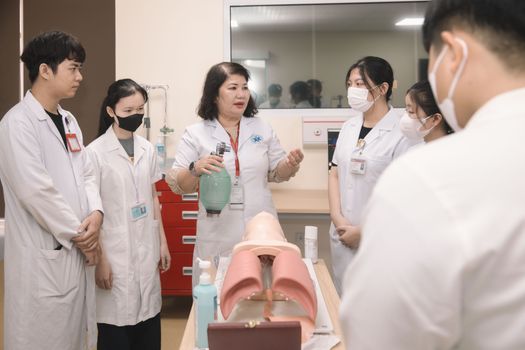 Photo: Duy Tân Đại học / Pexels