
How Long Does a Physical Exam Take? Your Comprehensive Guide
how long does a physical exam take

How Long Does a Physical Exam Take? Your Comprehensive Guide

Understand the factors influencing your physical exam's duration and how to optimize your visit for thorough care.

Plan Your Exam

Key Takeaways

  • ✓ A standard annual physical typically lasts 30-60 minutes.
  • ✓ Specialized physicals (e.g., DOT, pre-employment) can vary from 15 minutes to over an hour.
  • ✓ Preparation, like completing forms and gathering medical history, can significantly reduce in-office time.
  • ✓ The complexity of your health history and specific concerns impact the exam's length.

How It Works

1
Scheduling Your Appointment

Contact your primary care physician's office to book your physical. Be clear about the type of physical you need (annual, sports, pre-employment) as this can affect scheduling and duration.

2
Pre-Appointment Preparation

Gather relevant medical records, medications, and a list of questions. Completing any pre-visit forms online or beforehand saves valuable time during your actual appointment.

3
The Exam Itself

The actual physical exam involves a series of checks, discussions, and potentially screenings. The duration will depend on your health status, age, and the specific requirements of your physical.

4
Post-Exam Follow-Up

Discuss any findings, next steps, and follow-up appointments with your doctor. This ensures you understand your health status and any necessary actions.

Understanding the Factors That Influence Physical Exam Duration
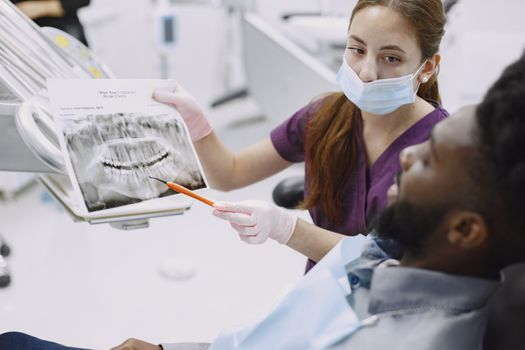
Female dentist explaining dental x-ray to a male patient in a modern clinic. Photo: Gustavo Fring / Pexels
The question of 'how long does a physical exam take' isn't as straightforward as it might seem, as the duration can vary significantly based on several crucial factors. A common misconception is that all physicals are identical, but in reality, they are highly individualized. The most significant determinant is the type of physical you're undergoing. A routine annual wellness exam for a healthy young adult will naturally be shorter than a comprehensive executive physical or a specialized medical examination for a specific purpose like a Department of Transportation (DOT) certification. Annual physicals, often focusing on preventive care and general health screenings, typically range from 30 to 60 minutes. This timeframe allows for a review of your medical history, a basic physical assessment, and discussion of any current concerns or lifestyle factors. However, if you have a complex medical history, multiple chronic conditions, or new symptoms you wish to discuss, the appointment may extend beyond this average. The depth of the examination also plays a critical role. Some physicals are very basic, checking vital signs, listening to heart and lungs, and a quick palpation. Others delve deeper, involving more extensive blood work, detailed neurological exams, or specific screenings based on age and risk factors. For instance, a woman's annual physical might include a Pap test and breast exam, adding to the overall time. Similarly, a man's might include prostate cancer screening discussions. The healthcare provider themselves can influence the duration. Some doctors are known for their thoroughness and take more time to explain findings and answer questions, while others might be more efficient and focused on specific protocols. Their approach to patient interaction and the amount of time they allocate per patient in their schedule will impact your experience. Furthermore, the efficiency of the clinic or office also contributes. Delays in getting called from the waiting room, time spent waiting for a nurse to take vitals, or for lab technicians to draw blood can all add to the total time spent at the facility, even if the actual face-to-face time with the doctor remains consistent. The patient's own preparation is another often-overlooked factor. Arriving with all necessary forms completed, a clear list of medications, and specific questions can streamline the process considerably. Conversely, being unprepared can lead to delays as you search for information or fill out paperwork on the spot. Finally, the need for additional tests or referrals identified during the exam can extend the overall process. If your doctor discovers something requiring immediate attention or further investigation, this could lead to additional time spent discussing options, scheduling follow-up appointments, or coordinating with specialists. Understanding these variables helps set realistic expectations for your next physical examination. For more information on preparing for your visit, check out this guide on making the most of your doctor's appointment.

Breaking Down the Typical Annual Physical: What to Expect and Its Timeline

A female doctor in a white coat using a stethoscope during a patient examination. Photo: Thirdman / Pexels
A standard annual physical, also known as a wellness exam or preventive care visit, is a cornerstone of maintaining good health. While the exact components and duration can vary, understanding the typical flow will help you anticipate how long does a physical exam take. Generally, you can expect an annual physical to last anywhere from 30 to 60 minutes, with the face-to-face time with your physician being a significant portion of this. The process usually begins even before you see the doctor. Upon arrival, you'll likely check in at the front desk, which might involve verifying insurance information and updating personal details. This administrative step typically takes 5-10 minutes. Next, a nurse or medical assistant will call you in. They will perform preliminary checks, often referred to as 'vitals.' This includes measuring your blood pressure, heart rate, respiration rate, temperature, height, and weight. They may also ask about your current medications, allergies, and any immediate concerns you have. This initial phase usually takes another 10-15 minutes. Once the preliminary checks are complete, you'll typically wait for the doctor. The wait time can vary greatly depending on the clinic's schedule, but once the doctor enters, the core of the physical begins. The physician will start by reviewing your medical history, asking about any changes since your last visit, recent illnesses, lifestyle habits (diet, exercise, smoking, alcohol consumption), and family medical history. This discussion is crucial for identifying potential risk factors and areas for preventive care. This conversation can last 10-20 minutes, depending on the complexity of your history and the number of questions you have. Following the discussion, the doctor will perform the physical examination. This involves a systematic check of various body systems. They will listen to your heart and lungs with a stethoscope, check your eyes, ears, nose, and throat, palpate your abdomen, and examine your skin for any unusual moles or lesions. They might also check your reflexes and muscle strength. For women, a pelvic exam and Pap test, along with a breast exam, may be performed if due. For men, a testicular exam and prostate exam might be included based on age and risk factors. This physical assessment portion typically takes 10-15 minutes. After the examination, the doctor will discuss their findings, recommend any necessary screenings (like cholesterol checks, diabetes screenings, or cancer screenings), suggest lifestyle modifications, and answer any remaining questions you have. They might also provide referrals to specialists if needed. This concluding discussion can take 5-10 minutes. Finally, you'll check out at the front desk, schedule any follow-up appointments or tests, and settle any co-pays. This final step usually takes 5 minutes. In total, from walking into the clinic to leaving, a well-prepared annual physical can take 45 minutes to 90 minutes, though the actual face-to-face time with the physician is often concentrated within a 30-60 minute window. Remember, this timeline can be extended if additional tests are performed on-site, such as an EKG or blood draw, which might add another 15-30 minutes to your visit. Being proactive in your health management, including regular annual physicals, is key to early detection and prevention. For tips on managing your overall health, consider resources on preventive healthcare strategies.

Specialized Physical Exams: Longer Durations and Specific Requirements
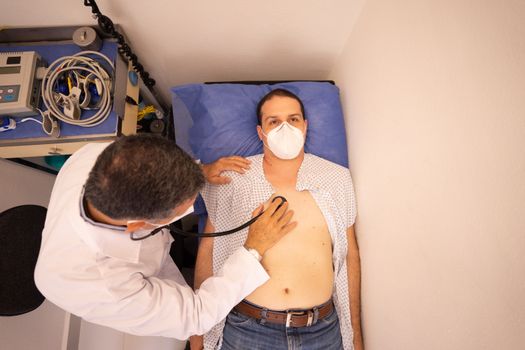
Doctor in protective mask examines patient with stethoscope in medical clinic. Photo: Los Muertos Crew / Pexels
Beyond the routine annual check-up, various specialized physical exams serve distinct purposes and often entail longer durations due to their specific requirements and depth of assessment. Understanding these differences is key when considering 'how long does a physical exam take' for non-standard situations. One common specialized physical is the pre-employment physical. Companies often require these to ensure that prospective employees are physically capable of performing job duties and to identify any health conditions that might pose a risk in the workplace. The duration of a pre-employment physical can range from 15 minutes for a very basic screening (like a drug test and basic vitals) to over an hour for more comprehensive assessments. These might include vision and hearing tests, drug screenings, lift tests, and sometimes even psychological evaluations, all of which extend the time spent. The specific requirements are dictated by the employer and the nature of the job. For instance, a physical for a desk job will be far less intensive than one for a construction worker or a commercial driver. Another significant category is the Department of Transportation (DOT) physical, mandatory for commercial drivers in the U.S. These exams are highly regulated and designed to ensure drivers meet strict health standards to operate commercial motor vehicles safely. A DOT physical typically lasts 30-45 minutes, but this doesn't include potential waiting times or additional tests. It involves a detailed review of medical history, vision and hearing tests, blood pressure check, urinalysis, and a thorough physical examination focusing on neurological, cardiovascular, and musculoskeletal systems. Any findings that require further investigation, such as high blood pressure or diabetes, can lead to additional testing or a temporary disqualification until the condition is managed, thus extending the overall process. Sports physicals, often required for student-athletes, are generally quicker, usually 15-30 minutes. Their primary goal is to screen for conditions that might predispose an athlete to injury or sudden cardiac events during physical activity. These often involve a review of medical history, a check of vital signs, and an orthopedic assessment to evaluate joints and muscle strength. While typically shorter, any red flags discovered during a sports physical could lead to referrals to specialists, adding to the overall time commitment. Executive physicals are at the higher end of the spectrum, sometimes lasting several hours or even spanning two days. These comprehensive exams are designed for high-level professionals and offer an in-depth assessment of health, often including advanced screenings not typically covered in a standard annual physical. They might incorporate extensive blood work, advanced cardiac screenings (e.g., stress tests, echocardiograms), comprehensive imaging (e.g., full-body MRI), nutritional counseling, and fitness assessments. The goal is to provide a holistic and proactive health profile, identifying potential risks early. Finally, physicals for specific licenses or certifications, such as pilot's licenses or certain professional certifications, also have their own unique requirements and durations. These are often tailored to the demands and risks associated with the profession. The key takeaway is that for any specialized physical, it's crucial to understand the specific requirements beforehand. This allows you to prepare adequately, gather necessary documentation, and allocate sufficient time, ensuring a smooth and efficient process. Always communicate with the requesting party (employer, school, licensing body) and your healthcare provider to clarify what to expect and how long the specific physical examination will take. For more information on specialized medical screenings, you might find resources on occupational health services helpful.

Maximizing Efficiency: Tips for a Quicker and More Productive Physical Exam

A smiling doctor taking notes in a medical office setting. Photo: Tima Miroshnichenko / Pexels
While the duration of a physical exam can vary, there are several proactive steps you can take to ensure your visit is as efficient and productive as possible, ultimately minimizing the answer to 'how long does a physical exam take' for your personal experience. This not only saves you time but also helps your doctor provide the best possible care. Here are some key tips: * **Complete Paperwork in Advance:** Many clinics now offer online portals where you can update your medical history, current medications, and insurance information before your appointment. If not, arrive 15-20 minutes early to fill out any necessary forms thoroughly. Incomplete or rushed paperwork can lead to delays. * **Prepare a List of Medications:** Bring a comprehensive list of all medications you are currently taking, including prescription drugs, over-the-counter medicines, supplements, and vitamins. Include the dosage and frequency for each. An even better approach is to bring the actual medication bottles. * **Document Your Medical History:** Have a clear understanding of your personal and family medical history. Note down any significant illnesses, surgeries, allergies, and chronic conditions. This information is vital for your doctor to assess your risk factors accurately. * **List Your Concerns and Questions:** Before your appointment, jot down any symptoms you've been experiencing, questions about your health, or lifestyle concerns you wish to discuss. Prioritize them so you can address the most important ones first. This ensures you don't forget anything crucial during the conversation. * **Dress Comfortably:** Wear loose, comfortable clothing that is easy to remove or adjust for the physical examination. This simple step can save a few minutes during the undressing and dressing process. * **Arrive on Time (or Early):** Punctuality is key. Arriving late can throw off the clinic's schedule and may reduce the time your doctor has allocated for your exam. * **Be Honest and Specific:** During the consultation, provide honest and detailed answers to your doctor's questions. Vague or incomplete information can lead to misdiagnoses or the need for additional, time-consuming follow-up appointments. * **Understand Your Insurance Coverage:** Knowing what your insurance covers for preventive care can prevent surprises and delays at check-out. Confirm if any specific tests or screenings require pre-authorization. * **Follow Pre-Exam Instructions:** If your physical requires fasting (e.g., for blood tests), make sure to follow these instructions precisely. Failure to do so might necessitate rescheduling blood work, adding to your overall time commitment. * **Ask for Clarification:** If you don't understand something your doctor says or recommends, don't hesitate to ask for clarification. Ensuring you leave with a clear understanding of your health status and any next steps can prevent future confusion and unnecessary follow-up calls. By taking these proactive steps, you contribute significantly to a smoother, quicker, and more effective physical exam, allowing both you and your healthcare provider to make the most of the allotted time.

Comparison

Physical Exam TypeTypical Duration (in-office)Key FocusCommon Additional Tests
Annual Wellness Exam30-60 minutesPreventive care, general healthBlood work, urine test
Pre-Employment Physical15-60+ minutesJob-specific fitness, health screeningDrug test, vision/hearing, lift test
DOT Physical30-45 minutesCommercial driving safetyUrinalysis, vision/hearing, blood pressure
Sports Physical15-30 minutesAthlete safety, injury preventionOrthopedic assessment
Executive PhysicalSeveral hours to 2 daysComprehensive health assessment, advanced screeningAdvanced cardiac tests, imaging, specialized labs

What Readers Say

"My annual physical took exactly 45 minutes from check-in to check-out. The doctor was thorough and answered all my questions without rushing, which was a pleasant surprise."

Sarah J. · Austin, TX

"I had a pre-employment physical that included a drug screen. The whole process was about an hour, mostly waiting for the lab. The actual doctor's part was quick and efficient."

Mark D. · Seattle, WA

"My doctor's office is great about sending forms beforehand. Because I filled everything out, my physical was only 30 minutes, freeing up my afternoon for other tasks."

Emily R. · Denver, CO

"The physical itself was quick, maybe 25 minutes. However, the wait time was a bit long, adding another 30 minutes. Overall, still a good experience with a very knowledgeable doctor."

David L. · Miami, FL

"Had a sports physical for my son. It was incredibly fast, about 20 minutes total. They efficiently checked all the necessary boxes so he could get back to practice."

Jessica M. · Chicago, IL

Frequently Asked Questions

What is the average time for a standard annual physical exam?

A standard annual physical exam typically takes between 30 to 60 minutes of in-office time with your healthcare provider. This duration allows for a review of your medical history, a general physical assessment, discussion of any concerns, and planning for preventive care.

Will my physical exam be longer if I have multiple health concerns?

Yes, if you have multiple or complex health concerns, new symptoms, or a detailed medical history to discuss, your physical exam will likely take longer than the average. It's important to communicate these concerns when scheduling to ensure adequate time is allocated.

How can I prepare to make my physical exam go faster?

To make your physical exam go faster, complete all pre-appointment paperwork in advance, bring a detailed list of your current medications, prepare a list of questions or concerns, and arrive on time. Being organized helps streamline the process significantly.

Is a pre-employment physical shorter or longer than an annual physical?

The duration of a pre-employment physical can vary greatly. Some are very brief, focusing on drug screening and basic vitals (15-30 minutes), while others are more comprehensive with job-specific tests (up to an hour or more). An annual physical generally has a more consistent duration.

Do different types of physical exams (e.g., DOT, sports) take different amounts of time?

Yes, absolutely. DOT physicals, required for commercial drivers, are typically 30-45 minutes and are highly regulated. Sports physicals are often shorter, around 15-30 minutes, focusing on athletic safety. Executive physicals can be much longer, spanning several hours or even days due to their comprehensive nature.

Who should get a physical exam regularly?

Everyone should consider getting a regular physical exam, typically annually, as part of their preventive healthcare routine. This is especially true for individuals with chronic conditions, those over a certain age (often 40+), and anyone with new or concerning symptoms.

Are there any risks associated with a physical exam?

Physical exams are generally very safe with minimal risks. The primary 'risks' are usually minor discomfort from blood draws or the time commitment. Serious complications are extremely rare, and the benefits of early detection and prevention far outweigh these minimal risks.

How might technology impact the future duration of physical exams?

Technology is likely to make physical exams more efficient. Telehealth pre-screenings, AI-powered diagnostic tools, and wearable health monitors could streamline data collection, allowing the in-person doctor's visit to be more focused on direct interaction and complex assessments, potentially reducing overall in-office time while enhancing thoroughness.

Understanding 'how long does a physical exam take' empowers you to prepare effectively, ensuring a thorough and efficient visit. Don't delay your preventative care – schedule your physical today to maintain optimal health and well-being.

Topics: how long does a physical exam takeannual physical durationwhat to expect physical exampre-employment physical timesports physical length
Leo List

IE Escorts NO Escorts US Escorts NZ Escorts AU Escorts
Brampton weed
Adultwork EstrelaBet Vai de Bet R7 Bet Betão Galera Bet Rainbet Bet9ja Shop SportyBet BetKing Sisal Loto Foot Hollywoodbets YesPlay Odibets RushBet Jugabet BetWarrior BetCity MSport betPawa Fortebet