
How to Find a Dermatologist for Acne: Your Ultimate Guide
Unlock clear skin by connecting with the right acne specialist, tailored to your unique needs and location.
Start Your SearchKey Takeaways
- ✓ Acne affects up to 50 million Americans annually, making it the most common skin condition.
- ✓ A board-certified dermatologist can offer treatments far beyond over-the-counter options.
- ✓ Early intervention with a dermatologist can prevent permanent scarring and hyperpigmentation.
- ✓ Telehealth options are increasingly available for initial consultations and follow-ups, expanding access.
How It Works
Before searching, identify your acne type (e.g., cystic, hormonal, blackheads). This helps you articulate your needs to potential specialists.
Ask your primary care physician, friends, and family for recommendations. Utilize online search engines and professional directories for qualified dermatologists.
Confirm board certification, read patient reviews, and check for specific experience in acne treatment. Ensure they align with your insurance.
Prepare questions about their treatment philosophy, proposed plan, and expected outcomes. This initial visit is crucial for assessing compatibility.
Why Seeing a Dermatologist for Acne is Essential for Lasting Results
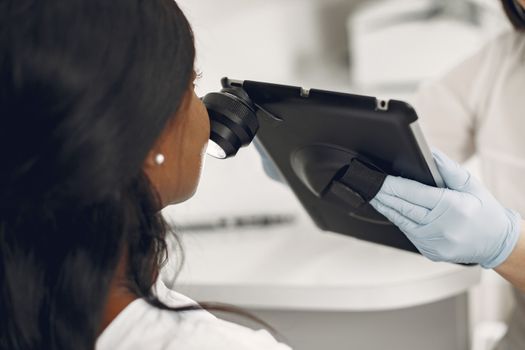 Photo: Gustavo Fring / Pexels
Navigating the Search: How to Identify Qualified Acne Specialists
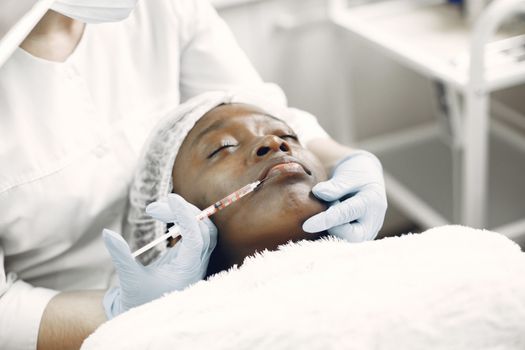 Photo: Gustavo Fring / Pexels
Preparing for Your First Visit: Maximizing Your Consultation for Acne Treatment
 Photo: RDNE Stock project / Pexels
Common Pitfalls to Avoid When Searching for an Acne Dermatologist
 Photo: www.kaboompics.com / Pexels
Comparison
| Feature | Board-Certified Dermatologist | General Practitioner | Esthetician | Online Teledermatology |
|---|---|---|---|---|
| Diagnosis of Complex Acne | ✓ (Expert) | ✓ (Basic) | ✗ (No medical diagnosis) | ✓ (Good for common cases) |
| Prescription Medications | ✓ (Full Range) | ✓ (Limited) | ✗ (None) | ✓ (Prescription via platform) |
| In-Office Procedures | ✓ (Chemical peels, lasers, extractions) | ✗ (Rarely) | ✓ (Basic extractions, facials) | ✗ (None) |
| Insurance Coverage | ✓ (Often accepted) | ✓ (Often accepted) | ✗ (Rarely) | ✓ (Varies by platform/plan) |
| Long-Term Management | ✓ (Comprehensive) | ✗ (Referral likely) | ✗ (Focus on maintenance) | ✓ (Follow-ups possible) |
| Acne Scar Treatment | ✓ (Specialized options) | ✗ (Referral likely) | ✗ (Limited options) | ✗ (Referral likely) |
What Readers Say
"After years of trying everything, I decided to find a dermatologist for acne. Dr. Chen was a godsend. She listened patiently and put together a plan that actually worked, clearing my cystic acne within months."
Sarah J. · Austin, TX"I was hesitant to see a doctor for my acne, but finding a dermatologist for acne was the best decision. Dr. Lee helped me understand my hormonal acne and gave me a routine that's easy to follow and very effective."
Michael D. · Seattle, WA"My skin completely transformed thanks to Dr. Rodriguez. She didn't just give me prescriptions; she educated me on my skin type and diet. My confidence is through the roof now!"
Jessica L. · Miami, FL"The process to find a dermatologist for acne was a bit overwhelming, but Dr. Gupta's office was very welcoming. While it took a while to get an appointment, her treatment plan has been steadily improving my persistent back acne."
David P. · Chicago, IL"My teenage daughter was really struggling. We found Dr. Kim, and her empathetic approach combined with effective treatments has made a huge difference. Highly recommend for adolescent acne."
Emily R. · Denver, COFrequently Asked Questions
What's the difference between a general dermatologist and an acne specialist?
While all board-certified dermatologists are qualified to treat acne, an 'acne specialist' often refers to a dermatologist who has a particular interest, advanced training, or extensive experience in managing severe, persistent, or complex acne cases. They may offer a wider range of in-office procedures or have a deeper understanding of specific acne triggers like hormonal imbalances.
How long does it typically take to see results after starting dermatologist-prescribed acne treatment?
Results vary depending on the severity of your acne and the chosen treatment plan. Generally, you should expect to see some improvement within 4-8 weeks, but significant, lasting results often take 3-6 months. Consistency with your prescribed regimen is crucial, and your dermatologist will adjust the plan as needed during follow-up appointments.
Can I use telehealth to find a dermatologist for acne?
Yes, many dermatologists now offer telehealth consultations, which can be an excellent starting point for discussing your acne concerns, getting initial diagnoses for common cases, and receiving prescriptions. However, for severe cystic acne, in-office procedures, or conditions requiring biopsies, an in-person visit will eventually be necessary. Always check if your insurance covers telehealth dermatology.
Is seeing a dermatologist for acne expensive?
The cost varies widely based on your insurance coverage, the dermatologist's fees, and the specific treatments prescribed. Initial consultations can range from $100-$300 without insurance, while prescription medications also have varying costs. Many insurance plans cover medical dermatology visits, but it's essential to verify your coverage and understand potential co-pays or deductibles beforehand.
How do I know if my acne is severe enough to warrant seeing a dermatologist?
If your acne is persistent, painful, causing scarring, not responding to over-the-counter treatments after several weeks, or significantly impacting your self-esteem, it's time to see a dermatologist. They can prevent long-term complications and provide more effective solutions than home remedies or general skincare products.
What should I bring to my first dermatologist appointment for acne?
Bring a list of all current medications and supplements, a detailed history of your acne (when it started, what you've tried), photos of your skin (especially if breakouts fluctuate), your current skincare product list, and any questions you have. Also, bring your insurance card and photo ID.
Are there any risks associated with acne treatments prescribed by a dermatologist?
Like all medications, prescription acne treatments can have side effects. These can range from mild (e.g., dry skin, redness with topicals) to more significant (e.g., sun sensitivity with oral antibiotics, birth defects with isotretinoin if pregnant). Your dermatologist will discuss all potential risks and benefits, ensuring you make informed decisions about your treatment plan.
What are the latest advancements in acne treatment that a dermatologist might offer?
Dermatology is constantly evolving. Recent advancements include new topical retinoids (e.g., trifarotene), novel oral medications, advanced laser and light therapies (e.g., photodynamic therapy), and innovative techniques for treating acne scars like subcision and various fractional lasers. A good dermatologist stays updated on these cutting-edge options to offer the most effective care.
Don't let acne control your life any longer. Taking the proactive step to find a dermatologist for acne can be the turning point you need for clear, healthy skin. Start your informed search today and embark on your journey to lasting confidence.