The Crucial Difference Between Urgent Care and Emergency Room
July 21, 2026 17 min read 3,353 words
Knowing where to go for medical help can save time, money, and potentially lives. Make the right choice.
Learn More Now
Understanding Urgent Care: Your Immediate Non-Emergency Solution
 Photo: SHOX ART / Pexels
In the complex landscape of healthcare, knowing where to seek medical attention can often feel like navigating a maze. One of the most common dilemmas patients face is deciding between an urgent care center and an emergency room (ER). This decision isn't just about convenience; it significantly impacts your wait time, the cost of your care, and most importantly, the appropriateness and effectiveness of the treatment you receive. Let's delve deep into the role of urgent care centers and clarify when they are the optimal choice for your health needs.
Urgent care centers are designed to fill a crucial gap between your primary care physician's office and a hospital emergency department. They are walk-in clinics that treat illnesses or injuries that are not life-threatening but require prompt attention and cannot wait for a scheduled appointment with a primary care doctor. Think of them as an accessible, efficient, and often more affordable alternative for immediate medical concerns that don't pose an immediate threat to life or limb. These facilities typically operate with extended hours, including evenings and weekends, making them a convenient option when your regular doctor's office is closed.
The types of conditions commonly treated at urgent care centers are broad but generally fall into the category of 'urgent, but not emergent.' This includes, but is not limited to, colds, flu, fevers, minor cuts that might need stitches, sprains, strains, allergic reactions (non-life-threatening), urinary tract infections, sore throats, earaches, and mild asthma attacks. Many urgent care centers also offer services like X-rays for potential fractures, basic lab tests, and vaccinations. The medical staff at these centers usually consists of physicians, physician assistants (PAs), and nurse practitioners (NPs), all trained to handle a wide array of immediate medical issues.
One of the primary advantages of choosing urgent care for appropriate conditions is cost-effectiveness. The co-pays and overall charges for a visit to an urgent care center are typically much lower than those for an ER visit. This is a significant factor for many patients, especially those with high-deductible insurance plans or no insurance. Furthermore, wait times at urgent care facilities are generally shorter compared to emergency rooms, where patients with life-threatening conditions are always prioritized, leading to potentially very long waits for less severe issues. This efficiency means you can get in, get treated, and get back to your life sooner.
However, it's crucial to understand that urgent care centers are not equipped to handle severe trauma, major cardiac events, strokes, or other critical conditions that require the advanced diagnostic capabilities, specialized equipment, and immediate access to a full range of specialists found in an emergency room. Misjudging the severity of a condition and heading to urgent care when an ER is needed can delay critical treatment, potentially worsening outcomes. Therefore, a clear understanding of the difference between urgent care and emergency room is paramount for making the best health decisions. Always remember, if there's any doubt about the severity of a condition, especially if it involves potential threats to life or major bodily function, the ER is the safer choice. For more on navigating healthcare options, explore our guide on
choosing the right medical provider.
Navigating the Emergency Room: When Every Second Counts
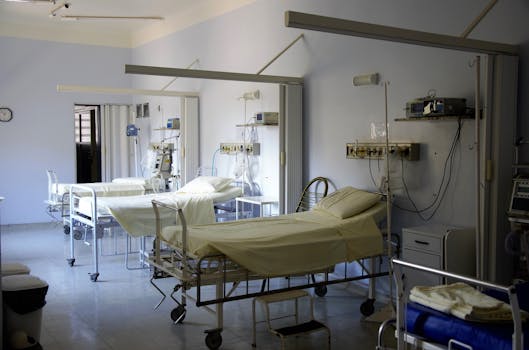 Photo: Pixabay / Pexels
The emergency room (ER) stands as the beacon of hope for medical crises, designed and staffed to handle the most severe and life-threatening conditions. Unlike urgent care, which addresses immediate but non-critical needs, the ER is where you go when your life, or a major bodily function, is at immediate risk. Understanding the specific circumstances that warrant an ER visit is not just about making an informed choice; it's about potentially saving a life—yours or someone else's. This section will elaborate on the critical role of the ER and guide you through situations where its specialized capabilities are indispensable.
An emergency room is a department within a hospital, equipped with state-of-the-art diagnostic tools, operating rooms, and a full spectrum of medical specialists available 24/7. This includes emergency physicians, surgeons, cardiologists, neurologists, and more, all prepared to respond to acute medical events. The staffing and equipment are geared towards rapid assessment, stabilization, and treatment of conditions that could lead to permanent disability or death if not addressed immediately.
What constitutes a medical emergency? These are conditions that, if left untreated, could cause serious harm or death. Common examples include, but are not limited to, severe chest pain (potentially indicating a heart attack), symptoms of a stroke (sudden weakness or numbness on one side of the body, difficulty speaking, sudden severe headache), major trauma (e.g., from car accidents, falls from height), severe bleeding that won't stop, sudden severe abdominal pain, difficulty breathing, sudden loss of consciousness, severe burns, poisoning, seizures, severe allergic reactions with swelling or difficulty breathing (anaphylaxis), and any injury involving the head, neck, or back with potential spinal cord involvement. In these scenarios, time is often of the essence, and delays in seeking appropriate care can have devastating consequences.
When you arrive at an ER, you will undergo a process called triage. This is where medical staff quickly assess your condition to determine its severity and prioritize treatment. Patients with life-threatening conditions will always be seen first, regardless of when they arrived. This means that if you come to the ER with a less severe issue, you may experience significant wait times, as critical cases will continuously take precedence. While this can be frustrating, it is a fundamental aspect of emergency medicine designed to ensure that those who need immediate, life-saving intervention receive it without delay.
The cost associated with an ER visit is substantially higher than urgent care, even for conditions that might seem minor. This higher cost reflects the extensive resources, specialized personnel, and advanced technology that are continuously available in an ER. Using the ER for non-emergent conditions not only incurs higher personal costs but also contributes to the overcrowding of emergency departments, potentially diverting resources from true emergencies. Therefore, understanding the difference between urgent care and emergency room is not just about personal benefit, but also about the efficient functioning of the healthcare system as a whole. When in doubt about whether a situation is a true emergency, it is always safer to err on the side of caution and go to the ER or call 911. Paramedics can provide immediate care en route and alert the hospital to your impending arrival, further streamlining the process for critical conditions.
Cost, Convenience, and Coverage: Making the Right Choice for Your Health
 Photo: Pixabay / Pexels
Beyond the immediate medical assessment of your symptoms, three critical factors—cost, convenience, and insurance coverage—play a pivotal role in deciding between an urgent care center and an emergency room. A comprehensive understanding of these elements is essential for making a choice that is not only medically sound but also financially prudent and logistically sensible. This section will break down how these factors differentiate the two types of facilities and help you navigate your healthcare decisions more effectively.
**Cost Implications:** One of the most significant differences between urgent care and emergency room visits lies in their respective costs. Urgent care centers are generally much more affordable. For many insurance plans, the co-pay for an urgent care visit is similar to that of a specialist visit, often ranging from $50 to $150. The total bill for an urgent care visit for a common condition like a minor infection or a sprain might be a few hundred dollars. In stark contrast, an ER visit, even for a condition that turns out to be minor, can easily cost hundreds, if not thousands, of dollars. The facility fees alone for an ER can be substantial, before even accounting for physician fees, diagnostic tests (like blood work, X-rays, CT scans), and any procedures performed. Using an ER for a non-emergency condition can lead to unexpected and often burdensome medical bills, impacting your financial well-being and potentially contributing to medical debt. Therefore, unless it's a true emergency, opting for urgent care can save you a significant amount of money.
**Convenience and Accessibility:** Urgent care centers are designed with convenience in mind. They are typically located in easily accessible community settings, often in retail plazas, and offer extended hours, including evenings, weekends, and holidays. Appointments are usually not required; you can simply walk in. This makes them an ideal choice when your primary care physician's office is closed, or you need to be seen relatively quickly for a non-critical issue. The wait times at urgent care facilities are generally shorter because they are not dealing with life-and-death situations that require immediate prioritization. Emergency rooms, while open 24/7, are primarily concerned with stabilizing critical patients. This triage system means that individuals presenting with less severe conditions will often experience long wait times, sometimes hours, before being seen by a physician, as critical cases are continually prioritized. While this is medically necessary, it can be a significant inconvenience for non-emergency patients.
**Insurance Coverage and Reimbursement:** Your health insurance plan will treat urgent care and ER visits differently. Most insurance plans cover both, but with varying co-pays, deductibles, and co-insurance percentages. As mentioned, urgent care co-pays are usually lower. For ER visits, you might face a higher co-pay, a separate ER deductible, or a higher percentage of co-insurance after your main deductible is met. It's crucial to understand your specific insurance policy's details regarding emergency and urgent care services. Some plans might even deny or limit coverage for ER visits deemed 'non-emergent' after the fact, leaving you responsible for a larger portion of the bill. However, federal law (the Emergency Medical Treatment and Labor Act - EMTALA) mandates that ERs must provide medical screening and stabilizing treatment for anyone with an emergency medical condition, regardless of their ability to pay or insurance status. But this doesn't absolve you of the financial responsibility for that care once stabilized. Checking with your insurance provider beforehand, if possible, or understanding your benefits guide can prevent unexpected financial burdens. For more detailed information on navigating health insurance, refer to our guide on
understanding your health insurance benefits.
Ultimately, the choice between urgent care and the ER boils down to a careful assessment of your medical condition, balanced with an understanding of the financial and logistical implications. Making an informed decision not only ensures you receive the most appropriate care but also helps manage healthcare costs and reduces strain on critical emergency resources.
Crucial Considerations: When to Choose and What to Avoid
 Photo: RDNE Stock project / Pexels
Making the correct decision between an urgent care center and an emergency room is paramount for your health, your wallet, and the efficiency of the healthcare system. While the previous sections have outlined the general differences, it's beneficial to consolidate the 'dos and don'ts' to empower you with a clear action plan. This section provides crucial considerations, offering practical tips on when to unequivocally choose one over the other and common mistakes to avoid.
**When to DEFINITELY Choose Urgent Care:**
* **Minor Injuries:** Sprains, strains, minor cuts that might need stitches (not deep or gushing blood), minor burns (not covering a large area or blistering badly).
* **Common Illnesses:** Colds, flu, sore throats, earaches, sinus infections, bronchitis, urinary tract infections (UTIs), stomach flu (vomiting/diarrhea without severe dehydration or other concerning symptoms).
* **Allergic Reactions (Mild to Moderate):** Rashes, hives, localized swelling without difficulty breathing or throat constriction.
* **Other Non-Life-Threatening Issues:** Pink eye, skin infections, mild asthma attacks (if you have your inhaler but need further assessment), insect bites/stings without severe allergic reaction.
* **Diagnostic Needs:** X-rays for possible simple fractures, basic lab tests for infections, drug screenings.
**When to DEFINITELY Choose the Emergency Room (or call 911):**
* **Life-Threatening Conditions:** Any symptoms of heart attack (severe chest pain, arm pain, shortness of breath), stroke (sudden numbness/weakness on one side, difficulty speaking, severe headache), severe difficulty breathing.
* **Major Trauma:** Head injuries with loss of consciousness, severe bleeding that won't stop, deep wounds with exposed bone or muscle, major burns, suspected broken bones that are visibly deformed.
* **Sudden Severe Pain:** Unbearable abdominal pain, sudden severe headache (worst headache of your life), sudden testicular pain.
* **Neurological Symptoms:** Sudden confusion, loss of consciousness, seizures, sudden vision changes, slurred speech.
* **Severe Allergic Reactions (Anaphylaxis):** Swelling of the face/throat, difficulty breathing, dizziness, rapid pulse.
* **Other Critical Issues:** Poisoning, overdose, suicidal thoughts, severe psychiatric emergencies, high fever in infants, severe dehydration.
**Common Mistakes to Avoid:**
1. **Underestimating Severity:** Never try to tough out or self-diagnose potentially life-threatening symptoms. If there's any doubt about the severity, especially with symptoms like chest pain or severe shortness of breath, always err on the side of caution and go to the ER or call 911. Delaying critical care can have irreversible consequences.
2. **Overusing the ER for Minor Issues:** Going to the ER for a common cold or a minor rash not only incurs significantly higher costs for you but also contributes to ER overcrowding, potentially delaying care for true emergencies. This is a common contributor to rising healthcare costs and longer wait times for everyone.
3. **Ignoring Your Primary Care Physician:** While urgent care and ERs are crucial for immediate needs, they are not substitutes for a long-term relationship with a primary care physician. Your PCP knows your medical history best and is essential for preventive care, chronic disease management, and overall health coordination. Utilize urgent care for episodic needs, but maintain regular contact with your PCP.
4. **Not Knowing Your Insurance Coverage:** Before an urgent situation arises, take the time to understand your health insurance plan's co-pays, deductibles, and specific coverage for urgent care and ER visits. This knowledge can prevent financial surprises and guide your decision-making when time is critical.
5. **Delaying Care:** Whether it's urgent care or the ER, delaying necessary medical attention can worsen your condition. If you need care, seek it promptly at the appropriate facility. Procrastination can turn a minor issue into a major one.
By keeping these considerations in mind, you can confidently navigate the healthcare system, ensuring you receive the right care at the right time and at the right cost. Your proactive understanding of the difference between urgent care and emergency room is a powerful tool for maintaining your health and well-being.