✓ Acne affects up to 50 million Americans annually.
✓ Dermatologists offer a personalized approach, unlike over-the-counter remedies.
✓ Early intervention by a dermatologist can prevent permanent scarring.
✓ Treatments range from topical creams to advanced laser therapies.
How It Works
1
Initial Consultation & Diagnosis
Your dermatologist will evaluate your skin, discuss your medical history, and identify the type and severity of your acne. This crucial step informs the entire treatment plan.
2
Personalized Treatment Plan
Based on the diagnosis, a customized treatment strategy is developed. This might include prescriptions, in-office procedures, and lifestyle recommendations tailored just for you.
3
Treatment Implementation & Monitoring
You'll begin your prescribed treatments, with regular follow-up appointments. The dermatologist monitors your progress, making adjustments as needed to optimize results.
4
Maintenance & Prevention
Once acne is under control, the focus shifts to maintaining clear skin and preventing future breakouts. This often involves a long-term skincare regimen and periodic check-ups.
Understanding Acne: More Than Just a Pimple
Photo: Ron Lach / Pexels
Acne vulgaris, commonly known simply as acne, is a chronic inflammatory skin condition that affects millions of people across the United States, from teenagers to adults. It occurs when hair follicles become clogged with oil (sebum) and dead skin cells, leading to blackheads, whiteheads, pimples, and sometimes painful cysts and nodules. While often dismissed as a cosmetic concern, acne can have significant psychological impacts, including decreased self-esteem, anxiety, and depression. Understanding the root causes of acne is the first step toward effective treatment. Factors contributing to acne include genetics, hormonal fluctuations (especially during puberty, pregnancy, and menstruation), stress, diet, and certain medications. Bacteria called *Propionibacterium acnes* (now *Cutibacterium acnes*) also play a crucial role, thriving in clogged follicles and triggering inflammation. Over-the-counter remedies often only address mild cases or provide temporary relief, failing to tackle the underlying issues of moderate to severe acne. This is precisely where the expertise of a dermatologist becomes indispensable. A dermatologist possesses the medical knowledge to accurately diagnose the specific type and severity of your acne, differentiate it from other skin conditions, and identify contributing factors that might be overlooked. They can assess whether your acne is primarily hormonal, bacterial, inflammatory, or a combination, and then devise a targeted treatment strategy. This comprehensive understanding and tailored approach are what set professional dermatological care apart from generic solutions. Ignoring persistent or severe acne can lead to more than just discomfort; it can result in permanent scarring, hyperpigmentation, and long-term emotional distress. Therefore, seeking professional help from a skin health expert is not just about aesthetics, but about overall well-being and preventing irreversible damage. They can guide you through the complexities of acne, offering solutions that truly work.
Acne is not a one-size-fits-all condition, and neither should its treatment be. What works for one person might not work for another, highlighting the need for individualized care. A dermatologist will consider your skin type, sensitivity, medical history, and lifestyle before recommending a course of action. They are equipped to handle everything from mild comedonal acne to severe cystic acne, ensuring that you receive the most appropriate and effective interventions. This expert guidance is critical for navigating the often-frustrating journey of acne treatment and achieving lasting results. Without professional input, many individuals spend years experimenting with ineffective products, leading to frustration and worsening skin conditions. A dermatologist cuts through the noise, providing evidence-based solutions.
When to See a Dermatologist for Your Acne
Photo: SHVETS production / Pexels
Deciding when to transition from self-treatment to professional care can be a crucial turning point in your journey to clear skin. While mild breakouts might respond to over-the-counter cleansers and topical treatments, there are several clear indicators that it's time to consult a dermatologist for acne treatment. If your acne is persistent and doesn't improve after several weeks or months of using non-prescription products, it’s a strong sign that you need expert intervention. This includes acne that consistently reappears or never fully clears. Another key indicator is the severity of your acne. If you are experiencing moderate to severe forms, such as cystic acne or nodular acne, which are characterized by large, painful, pus-filled lesions deep beneath the skin's surface, a dermatologist is essential. These types of acne can lead to significant pain, inflammation, and a high risk of permanent scarring if not treated promptly and correctly.
Furthermore, if your acne is causing emotional distress, such as anxiety, depression, or affecting your self-esteem and social interactions, seeking professional help is paramount. The psychological impact of acne is often underestimated, and a dermatologist can not only treat your skin but also provide resources or referrals for mental health support if needed. Scarring, whether it's dark spots (post-inflammatory hyperpigmentation) or pitted/indented scars (atrophic scars), is another urgent reason to see a specialist. Early and effective treatment of active acne can prevent or minimize scarring. If you already have scars, a dermatologist can offer various treatments to improve their appearance.
Age also plays a role. While acne is common in teenagers, adult-onset acne or persistent adult acne (acne that continues past age 25 or starts in adulthood) often requires a different approach due to hormonal factors and skin changes. Pregnancy-related acne also warrants a dermatologist's care, as certain medications are not safe during pregnancy. Finally, if your acne is accompanied by other symptoms like excessive hair growth or irregular periods, it could indicate an underlying hormonal condition, such as Polycystic Ovary Syndrome (PCOS), which a dermatologist can help diagnose and manage in conjunction with other specialists. Recognizing these signs and acting promptly can save you from prolonged suffering and potential long-term skin damage, underscoring the invaluable role of a dermatologist in comprehensive acne management. They have the tools and knowledge to address complex cases that go beyond surface-level issues.
Advanced Treatments Offered by a Dermatologist for Acne
Beyond basic topical creams, a dermatologist offers a wide array of advanced and highly effective treatments for acne, tailored to the individual's specific needs and the severity of their condition. These professional interventions go far beyond what's available over-the-counter, providing stronger, more targeted solutions. For topical treatments, dermatologists can prescribe stronger retinoids (like tretinoin, tazarotene, or adapalene), topical antibiotics, benzoyl peroxide in higher concentrations, or dapsone. These work by reducing inflammation, unclogging pores, and killing acne-causing bacteria. Oral medications are often prescribed for moderate to severe acne, or when topical treatments aren't sufficient. These include oral antibiotics (such as doxycycline or minocycline) to reduce bacteria and inflammation, hormonal therapies (like oral contraceptives or spironolactone) for hormonal acne, and isotretinoin (formerly Accutane) for severe, recalcitrant cystic acne. Isotretinoin is a powerful medication that dramatically reduces oil production and can lead to long-term remission, but requires strict monitoring due to potential side effects.
In-office procedures also play a significant role in a comprehensive acne treatment plan. Chemical peels, using various acids (e.g., salicylic, glycolic, trichloroacetic acid), exfoliate the skin, unclog pores, and improve skin texture and tone. Microdermabrasion or dermaplaning can also help with exfoliation and mild scarring. Light and laser therapies are increasingly popular for acne and acne scars. Blue light therapy targets acne-causing bacteria, while photodynamic therapy combines a photosensitizing agent with light to reduce oil glands and bacteria. Laser treatments, such as pulsed dye lasers or fractional lasers, can reduce redness, inflammation, and significantly improve the appearance of acne scars. Acne scar treatment is a specialized area where dermatologists excel, offering options like subcision, fillers, and microneedling to remodel collagen and smooth the skin's surface.
Furthermore, dermatologists can perform extractions of blackheads and whiteheads safely and hygienically, reducing the risk of inflammation and scarring that often occurs with self-extraction. Corticosteroid injections are another valuable tool for treating large, painful cystic lesions, rapidly reducing inflammation and preventing scarring. The advantage of a dermatologist is their ability to combine these treatments synergistically, creating a multi-faceted approach that addresses all aspects of acne pathology. They continuously monitor your skin's response, adjusting the treatment plan as needed to ensure optimal results and minimize side effects. This dynamic and personalized approach is the cornerstone of effective, long-term acne management.
Navigating Your Journey: Tips for Effective Acne Management
Embarking on a dermatologist-guided acne treatment journey requires commitment and active participation to achieve the best possible outcomes. Here are essential tips to help you navigate this process effectively and maximize your results.
**1. Be Honest and Detailed with Your Dermatologist:** Provide a complete medical history, including any medications you're taking, allergies, and previous acne treatments. Be open about your lifestyle, diet, and stress levels, as these can influence your skin. The more information your dermatologist has, the better they can tailor your treatment plan.
**2. Adhere Strictly to Your Treatment Plan:** Consistency is key. Use prescribed topical medications exactly as directed and take oral medications on schedule. Skipping doses or inconsistent application can significantly hinder progress. Understand that some treatments take time to show results, often several weeks or even months, so patience is crucial.
**3. Practice Good Skincare Habits:**
* **Gentle Cleansing:** Wash your face twice daily with a mild cleanser recommended by your dermatologist. Avoid harsh scrubbing, which can irritate the skin and worsen acne.
* **Moisturize:** Even oily or acne-prone skin needs moisture, especially when using drying acne treatments. Choose a non-comedogenic (won't clog pores) moisturizer.
* **Sun Protection:** Many acne medications increase sun sensitivity. Use a broad-spectrum, non-comedogenic sunscreen with an SPF of 30 or higher daily.
* **Avoid Picking and Popping:** This can lead to increased inflammation, infection, and permanent scarring. Let your dermatologist handle extractions.
**4. Monitor Your Progress and Communicate:** Keep track of how your skin is responding to treatment. Note any improvements, side effects, or new concerns. Share this information during your follow-up appointments. Don't hesitate to call your dermatologist's office if you have urgent questions or severe side effects between appointments.
**5. Be Patient and Realistic:** Acne treatment is a process, not an overnight cure. There might be initial breakouts (purging) as your skin adjusts to new treatments. Set realistic expectations and celebrate small victories along the way.
**6. Consider Lifestyle Adjustments:** While diet's role in acne is complex, some individuals find certain foods (like high-glycemic index foods or dairy) can trigger breakouts. Stress management techniques can also be beneficial, as stress can exacerbate acne.
**7. Understand Maintenance:** Once your acne is under control, your dermatologist will likely recommend a maintenance regimen to prevent future breakouts. This is a long-term commitment to keeping your skin clear and healthy. By following these tips, you can work collaboratively with your dermatologist to achieve and maintain the clear, healthy skin you desire, transforming your relationship with your skin for the better.
Comparison
Feature
Dermatologist Treatment
Over-the-Counter Products
Home Remedies
Effectiveness for Severe Acne
High (prescription strength)
Low to None
Very Low
Personalized Diagnosis
Yes (expert medical assessment)
No (general approach)
No (anecdotal)
Risk of Scarring
Minimized (preventative care)
Moderate to High (if ineffective)
High (improper application)
Access to Advanced Procedures
Yes (lasers, peels, injections)
No
No
Side Effect Management
Yes (monitored & adjusted)
Limited (self-managed)
Limited (self-managed)
Cost-Effectiveness (long-term)
Good (prevents future issues)
Variable (can be wasteful)
Low initial, high risk
What Readers Say
★★★★★
"After years of struggling with cystic acne, seeing a dermatologist was the best decision. Dr. Lee prescribed a targeted regimen that finally cleared my skin. My confidence has soared, and I no longer dread looking in the mirror."
Sarah J. · Austin, TX
★★★★★
"I thought acne was just something I had to live with as an adult. My dermatologist quickly identified the hormonal component and within months, my breakouts were almost completely gone. The personalized care made all the difference."
Michael R. · Miami, FL
★★★★★
"My dermatologist not only cleared my severe acne but also helped fade my old acne scars with laser treatments. The results are truly life-changing; my skin is smoother and more even-toned than ever before."
Jessica L. · Denver, CO
★★★★★
"While it took a few months to find the perfect combination of treatments, my dermatologist was patient and persistent. My acne is significantly better, though I still get occasional minor breakouts, which we are working to address. Overall, a positive experience."
David P. · Seattle, WA
★★★★★
"I was hesitant about taking oral medication for my acne, but my dermatologist thoroughly explained all the options and side effects. I felt informed and comfortable, and the treatment worked wonders for my persistent adult acne."
Emily K. · Chicago, IL
Frequently Asked Questions
How long does it take for a dermatologist's acne treatment to work?
The time frame for seeing results from a dermatologist's acne treatment varies greatly depending on the severity of your acne, the type of treatment prescribed, and your individual skin response. Generally, it can take anywhere from 6 to 12 weeks to notice significant improvement, with some severe cases requiring several months. Consistency in following the treatment plan is crucial for optimal results.
Is seeing a dermatologist for acne expensive?
The cost of seeing a dermatologist for acne can vary based on your insurance coverage, the specific treatments needed, and your location. Initial consultations and follow-ups are often covered by health insurance. Prescription medications and in-office procedures may have separate costs, but many dermatologists offer payment plans or discuss cost-effective options. Investing in professional care can prevent more expensive treatments for scarring down the line.
What should I expect during my first dermatologist appointment for acne?
During your first appointment, your dermatologist will conduct a thorough examination of your skin, discuss your medical history, current skincare routine, and any previous acne treatments. They will ask about your lifestyle, diet, and any concerns you have. Based on this information, they will diagnose your acne type and severity, then propose a personalized treatment plan, which may include prescriptions, in-office procedures, and lifestyle recommendations.
Can diet really affect acne, and will my dermatologist discuss it?
While the link between diet and acne is complex and still being researched, some studies suggest certain foods, like high-glycemic index foods and dairy, may exacerbate acne in some individuals. Your dermatologist may discuss your dietary habits as part of a holistic approach to understanding and managing your acne, though diet alone is rarely the sole cause or cure. They can help you identify potential triggers and make informed choices.
How does a dermatologist treat acne scars?
Dermatologists offer a variety of effective treatments for acne scars, depending on the type and severity of the scarring. These can include chemical peels, microdermabrasion, microneedling, subcision, dermal fillers, and various laser therapies (e.g., fractional laser resurfacing, pulsed dye lasers). The best approach is often a combination of treatments tailored to your specific scar type, aimed at improving skin texture and tone.
Who should consider seeing a dermatologist for acne treatment?
Anyone experiencing persistent acne that doesn't respond to over-the-counter treatments, moderate to severe acne (including cystic or nodular acne), acne that is causing significant emotional distress, or acne that is leading to scarring should consider seeing a dermatologist. Additionally, individuals with adult-onset acne, hormonal acne, or those seeking advanced treatment options will greatly benefit from professional care.
Are acne medications prescribed by a dermatologist safe?
Acne medications prescribed by a dermatologist are generally safe when used as directed and under medical supervision. Your dermatologist will assess your medical history, discuss potential side effects, and monitor your progress to ensure your safety. They will explain how to use the medications correctly and what to expect, adjusting your treatment if necessary to minimize any adverse reactions. Open communication with your doctor is key.
What are the latest advancements in dermatologist-led acne treatment?
Recent advancements in dermatologist-led acne treatment include newer topical retinoids with improved tolerability, more targeted oral medications, and sophisticated laser and light therapies that address both active acne and scarring. There's also an increased focus on personalized medicine, utilizing genetic and lifestyle factors to craft highly individualized treatment plans. Research into microbiome-based therapies and novel anti-inflammatory agents continues to evolve the field.
Don't let acne control your life any longer. A dermatologist for acne treatment offers the expert care, advanced solutions, and personalized approach you need to achieve clear, healthy skin. Take the first step towards renewed confidence and contact a board-certified dermatologist today.

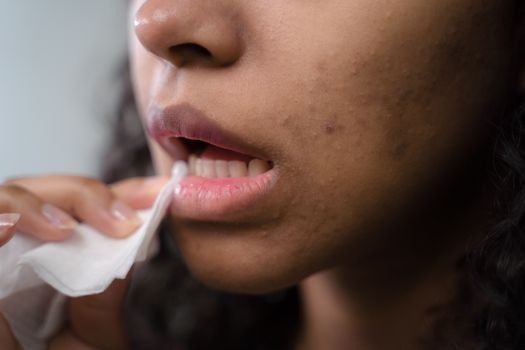 Photo: Ron Lach / Pexels
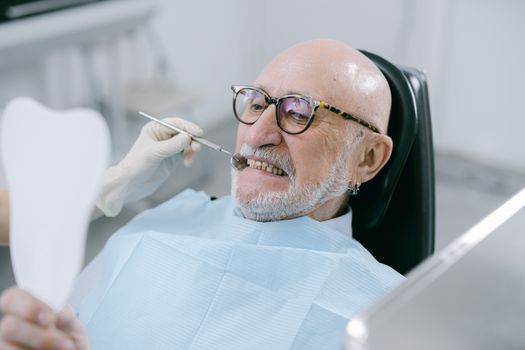 Photo: SHVETS production / Pexels