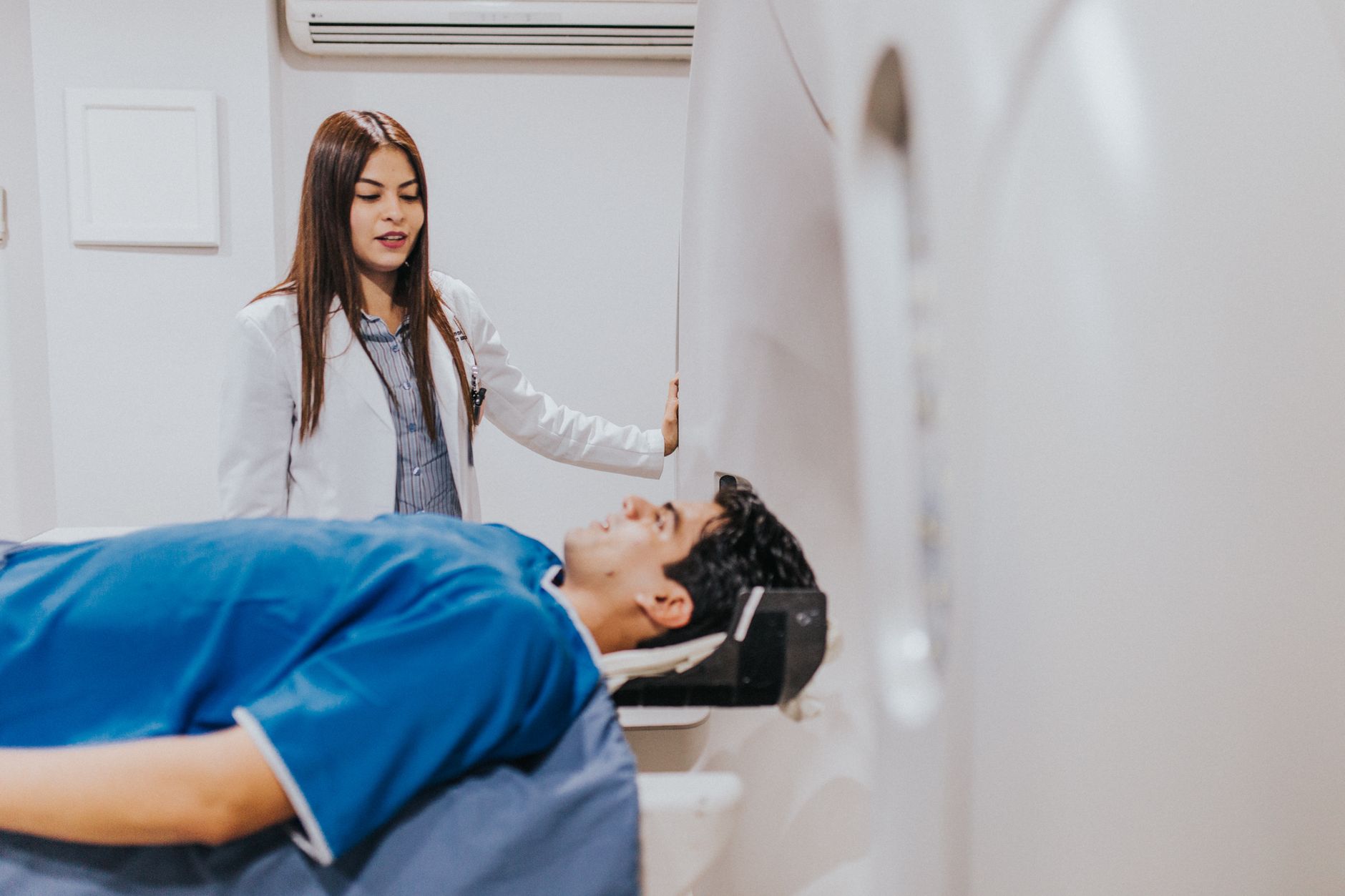
Cost of MRI Scan Without Insurance: Your Guide to Affordability
cost of MRI scan without insurance

Cost of MRI Scan Without Insurance: Your Guide to Affordability

Unlock strategies to make essential MRI scans accessible and manageable, even without traditional health coverage.

Find Affordable MRIs Now

Key Takeaways

  • ✓ MRI costs without insurance can range from $400 to $10,000+, depending on location, facility, and scan type.
  • ✓ Cash pay and self-pay discounts are often available and can significantly reduce the price.
  • ✓ Shopping around and comparing prices from multiple facilities is crucial for uninsured patients.
  • ✓ Non-profit organizations and patient assistance programs can offer financial aid for diagnostic imaging.

How It Works

1
Understand Your MRI Needs

Consult your doctor to confirm the specific type of MRI scan required (e.g., brain, knee, with or without contrast). Knowing this helps in getting accurate quotes.

2
Research & Compare Prices

Contact multiple imaging centers, hospitals, and freestanding clinics in your area. Ask for their cash-pay or self-pay rates, explicitly stating you are uninsured.

3
Negotiate & Seek Discounts

Don't hesitate to negotiate the price. Many facilities offer discounts for upfront payment or have financial assistance programs. Inquire about payment plans.

4
Explore Assistance Options

Look into patient advocacy groups, non-profit organizations, and manufacturer programs that might offer financial aid or reduced-cost services for diagnostic imaging.

Understanding the Varied Cost of MRI Scan Without Insurance
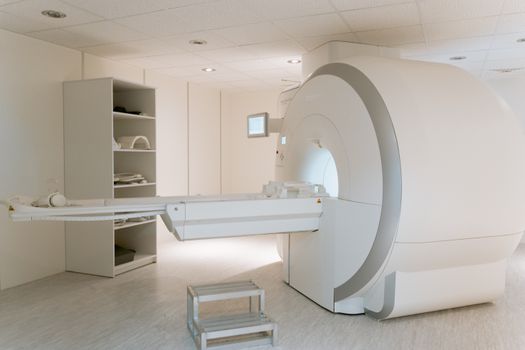
Interior view of a modern MRI scanner room, showcasing advanced medical imaging equipment. Photo: MART PRODUCTION / Pexels
Magnetic Resonance Imaging (MRI) is a powerful diagnostic tool, providing detailed images of organs, soft tissues, bone, and virtually all other internal body structures. For many, an MRI is a critical step in diagnosing conditions ranging from sports injuries to neurological disorders and cancer. However, when faced with the need for an MRI without the backing of health insurance, the potential cost of medical procedures can be a significant source of anxiety. The truth is, the cost of an MRI scan without insurance can vary dramatically, often ranging from as low as $400 to upwards of $10,000, depending on a multitude of factors. This wide range isn't just a matter of different providers; it's influenced by the type of scan, the body part being examined, whether contrast dye is used, the facility where the scan is performed, and even the geographical location within the United States. For instance, a simple MRI of a single joint, such as a knee or shoulder, without contrast, will typically be on the lower end of the spectrum. Conversely, a multi-sequence MRI of the brain or spine, especially if it requires contrast agents (gadolinium), will naturally incur a higher cost. The use of contrast dye itself adds an additional layer of expense, both for the material and the administration. Furthermore, the type of facility plays a pivotal role. Hospitals, particularly large university or academic medical centers, generally have higher overheads and, consequently, charge more for MRI scans. Freestanding imaging centers, which specialize solely in diagnostic imaging, often offer more competitive cash-pay rates. These centers typically have lower operating costs and are more inclined to provide transparent pricing for uninsured patients. Geographical location is another significant determinant. An MRI in a major metropolitan area like New York City or Los Angeles will almost certainly be more expensive than the same scan in a rural community or a state with a lower cost of living. This disparity reflects local market rates, competition among providers, and regional healthcare infrastructure. For someone navigating the healthcare system without insurance, understanding these variables is the first critical step toward finding an affordable solution. It's not just about finding *an* MRI, but finding the right MRI at a price that doesn't create undue financial burden. This requires diligence, research, and a willingness to engage directly with providers about their pricing structures. Being uninsured means you are essentially a cash-paying customer, which, surprisingly, can sometimes give you leverage to negotiate prices that insured patients might not have. The lack of an intermediary (the insurance company) means a more direct financial transaction, often leading to more straightforward pricing discussions. It's a challenging situation, but one that is navigable with the right approach and information.

Strategies for Finding Affordable MRI Scans as an Uninsured Patient

Heap of similar American dollars in cash placed near blisters of expensive drugs on white table Photo: https://kaboompics.com/ / Pexels
Navigating the healthcare system without insurance requires proactive strategies, especially when it comes to high-cost procedures like an MRI. The good news is that there are several effective approaches to significantly reduce the cost of an MRI scan without insurance. The cornerstone of these strategies is price transparency and negotiation. Many healthcare providers, particularly freestanding imaging centers, are increasingly willing to offer discounted cash-pay rates to uninsured patients. This is because they avoid the complex and often delayed billing processes associated with insurance companies, making a direct cash payment more attractive to them. Your first step should be to call multiple imaging centers and hospitals in your vicinity. When you call, clearly state that you are an uninsured patient seeking a cash-pay price for a specific MRI scan (e.g., "MRI of the lumbar spine without contrast"). Be prepared to ask for the 'self-pay' or 'cash price' as these terms are commonly used. Do not assume the first price you get is the best price. Hospitals, in particular, may have a 'chargemaster' price which is their highest listed price; often, their actual cash-pay rate is much lower. It's not uncommon for cash prices to be 30-70% lower than the billed insurance rate. Beyond just asking for cash prices, inquire about any available discounts for upfront payment. Some facilities will offer an additional reduction if you pay the full amount at the time of service. If a facility's cash price is still too high, ask if they have a financial assistance program or if they offer payment plans. Many hospitals, as part of their community benefit requirements, have programs to help low-income or uninsured patients manage medical costs. These programs might not cover the full cost but can significantly alleviate the burden. Another valuable resource is online price comparison tools and healthcare marketplaces. Websites like Healthcare Bluebook, New Choice Health, and MDsave allow you to search for medical procedures by zip code and compare prices from different providers. These platforms often partner directly with imaging centers to offer pre-negotiated, discounted rates for cash-paying patients. Utilizing these tools can save you hours of phone calls and often lead to substantial savings. Remember, you are a consumer in this scenario, and comparing prices is your right and responsibility to ensure you get the best value for your healthcare dollar. Do not be intimidated; healthcare providers understand that uninsured patients need different pricing structures and many are prepared to accommodate.

Exploring Alternatives and Financial Aid for Uninsured MRI Patients

Volunteers holding boxes labeled 'AID' and 'Medicine', preparing donations. Photo: RDNE Stock project / Pexels
Even after diligent price comparison and negotiation, the cost of an MRI scan without insurance can still be a significant hurdle for many. This is where exploring alternative options and financial aid becomes crucial. Beyond direct discounts from providers, there are several avenues that can offer further relief or make an MRI more accessible. One such option involves considering different types of imaging centers. While traditional hospitals offer comprehensive services, dedicated outpatient imaging centers often have lower overheads and can pass those savings on to patients. These centers specialize in diagnostic imaging, meaning their operations are streamlined for efficiency, and they are frequently more competitive on price for cash-paying individuals. It's worth comparing prices between a hospital-based MRI and an MRI at a standalone imaging clinic. For those who find the upfront cost prohibitive, even with discounts, patient assistance programs are a vital lifeline. Many pharmaceutical companies offer programs to help patients afford contrast agents if they are needed for the MRI. More broadly, non-profit organizations and patient advocacy groups often provide financial assistance or connect patients with resources for low-cost or free diagnostic services. Organizations like the Patient Advocate Foundation or the National Association of Free and Charitable Clinics can be excellent starting points. They may not directly pay for the MRI, but they can guide you through the process, help you understand your rights, and point you towards local resources that offer aid. It's essential to research and apply for these programs well in advance, as they often have specific eligibility criteria and application processes. Another often-overlooked option is community health clinics or university medical centers that have specific programs for uninsured or underinsured patients. Some of these institutions receive grants or have charitable foundations that allow them to offer services at a reduced cost or even for free to qualifying individuals. While getting an appointment might take longer, the potential savings can be immense. Furthermore, if your doctor is affiliated with a larger medical system, they might be aware of internal programs or charity care policies that could apply to your situation. Don't hesitate to discuss your financial concerns openly with your referring physician. They are often your best advocate within the healthcare system and can help you navigate the complexities of finding affordable care. Ultimately, a multi-pronged approach, combining proactive research, direct negotiation, and seeking out financial assistance, provides the best chance to manage the financial burden of medical care when uninsured.

Essential Tips for Uninsured Patients Seeking an MRI

Doctor in gloves holding pill bottle and cash, highlighting medical expenses. Photo: Towfiqu barbhuiya / Pexels
Navigating the complexities of healthcare without insurance, especially when a critical diagnostic like an MRI is needed, can be overwhelming. To ensure you make the most informed and cost-effective decisions, here are some essential tips for uninsured patients: * **Get a Clear Prescription:** Ensure your doctor provides a detailed prescription that specifies the exact type of MRI needed, including the body part, whether contrast is required, and the medical necessity (diagnosis code). This clarity prevents unnecessary scans and helps you get accurate price quotes. * **Verify the Necessity:** Before proceeding, have an open conversation with your doctor about whether the MRI is absolutely essential at this moment. Sometimes, alternative, less expensive diagnostic tests or a period of watchful waiting might be appropriate, depending on your condition. * **Document Everything:** Keep a meticulous record of all your calls, including the date, time, facility name, the person you spoke with, the price quoted, and any reference numbers. This documentation is invaluable if there are discrepancies or if you need to negotiate further. * **Beware of Hidden Fees:** When getting quotes, ask if the price includes the radiologist's reading fee and any facility fees. Sometimes, the initial quote might only cover the technical component of the scan, with separate bills for the professional interpretation. * **Consider Medical Tourism (Carefully):** For very high-cost or specialized MRIs, some individuals look into medical tourism within the US or even abroad, where the same quality of care might be available at a significantly lower cost. This requires extensive research into quality and accreditation. * **Understand Payment Plans:** If a lump-sum payment is not feasible, ask about interest-free payment plans. Many facilities are willing to work with patients to spread out the cost over several months. Ensure you understand all terms and conditions. * **Utilize Patient Advocates:** If you feel overwhelmed, consider reaching out to a patient advocate. These professionals can help you navigate the system, understand your bills, and even negotiate on your behalf for a fee or sometimes pro bono through non-profits. By following these tips, uninsured patients can significantly empower themselves in the quest for an affordable MRI, transforming a potentially daunting experience into a manageable one. The key is proactive engagement and thorough investigation into all available options.

Comparison

FeatureFreestanding Imaging CenterHospital Outpatient Dept.University Medical Center
Typical Cost (Uninsured)$400 - $1,500$800 - $3,000$1,500 - $10,000+
Price TransparencyHigh (often cash-pay rates)Moderate (can be complex)Low (Chargemaster rates prevalent)
Negotiation PotentialHigh (especially for cash)Moderate (may have financial aid)Low (unless charity care applies)
Appointment AvailabilityOften fasterModerateCan be longer wait times
Tech/EquipmentModern, specializedModern, comprehensiveCutting-edge, research-oriented
Financial Aid ProgramsLess common (direct discounts)Common (charity care, payment plans)Common (extensive charity care)

What Readers Say

"I needed an MRI for a knee injury and didn't have insurance. I called three local imaging centers and one hospital. The hospital quoted me $3,500, but a freestanding clinic offered a cash price of $750. It saved me a fortune, and the service was excellent."

Sarah J. · Austin, TX

"My doctor ordered a brain MRI, and I was panicking about the cost without insurance. I used MDsave and found a pre-paid package for $900 that included the radiologist's fee. It was incredibly straightforward and a huge relief on the cost of MRI scan without insurance."

Mark T. · Phoenix, AZ

"After a car accident, I needed an MRI for my back. The initial hospital quote was astronomical. I negotiated with a local imaging center, explaining my uninsured status, and they offered me a payment plan at a significantly reduced cash rate. This made my essential scan possible."

Emily R. · Orlando, FL

"Finding an affordable MRI without insurance took some effort, but it was worth it. I spent a day calling around and eventually found a center that offered a 40% discount for upfront payment. It was still a substantial amount, but far better than the alternatives."

David L. · Denver, CO

"I had to get an MRI with contrast, which I heard was more expensive. My doctor's office recommended a specific facility that had a known cash-pay discount for uninsured patients. The process was smooth, and the price was fair for the complexity of the scan."

Jessica M. · Charlotte, NC

Frequently Asked Questions

What is the average cost of an MRI scan without insurance in the US?

The average cost of an MRI without insurance in the US can range widely, typically from $400 for a basic scan at an outpatient center to over $10,000 at a hospital, especially for complex scans with contrast. Factors like location, facility type, and the specific body part being scanned heavily influence the final price.

Can I negotiate the price of an MRI if I don't have insurance?

Yes, absolutely! As an uninsured patient, you have significant leverage to negotiate. Many facilities, particularly freestanding imaging centers, are willing to offer substantial discounts (often 30-70% off billed rates) for cash-paying patients. Always ask for the 'self-pay' or 'cash price' and inquire about upfront payment discounts.

How can I find the cheapest MRI without insurance?

To find the cheapest MRI, start by getting a clear prescription from your doctor. Then, call multiple freestanding imaging centers, hospitals, and even university medical centers in your area. Use online price comparison tools like Healthcare Bluebook or MDsave. Always ask for cash-pay rates and inquire about any financial assistance programs or payment plans.

Is it cheaper to get an MRI at a hospital or a freestanding imaging center?

Generally, it is cheaper to get an MRI at a freestanding imaging center compared to a hospital outpatient department. Freestanding centers typically have lower overhead costs and are often more transparent and competitive with their cash-pay rates for uninsured patients. Hospitals tend to have higher 'chargemaster' prices.

What are some alternatives if I cannot afford an MRI?

If you cannot afford an MRI, discuss with your doctor if alternative diagnostic tests like X-rays or ultrasounds could provide sufficient information. Also, explore financial assistance programs offered by hospitals, non-profit organizations, and patient advocacy groups. Some community health clinics or university programs may offer reduced-cost services.

Who should consider getting an MRI without insurance?

Anyone needing a critical diagnostic image who does not have health insurance, or whose insurance deductible is so high that paying cash is more affordable, should explore getting an MRI without insurance. This approach allows for direct negotiation and access to cash-pay discounts that might not be available through traditional insurance channels.

Are cash-pay MRIs of lower quality than insured MRIs?

No, the quality of an MRI scan is not dependent on whether you pay cash or use insurance. The imaging equipment, technicians, and radiologists are the same for all patients, regardless of their payment method. The difference lies solely in the billing and payment structure.

What future trends might impact the cost of MRI scans for the uninsured?

Future trends could include increased price transparency mandates, more widespread use of AI in diagnostics (potentially lowering interpretation costs), and the growth of healthcare marketplaces offering pre-negotiated rates. Tele-radiology could also lead to more competitive pricing for interpretations, further impacting the total cost for uninsured patients.

Don't let the lack of insurance prevent you from getting the essential diagnostic care you need. Understanding the cost of MRI scan without insurance and employing smart strategies can significantly reduce your financial burden. Take control of your healthcare costs today.

Topics: cost of MRI scan without insuranceaffordable MRI without insuranceMRI pricing transparencycash pay MRI costmedical imaging costs
Leo List

IE Escorts NO Escorts US Escorts NZ Escorts AU Escorts
Brampton weed
Adultwork EstrelaBet Vai de Bet R7 Bet Betão Galera Bet Rainbet Bet9ja Shop SportyBet BetKing Sisal Loto Foot Hollywoodbets YesPlay Odibets RushBet Jugabet BetWarrior BetCity MSport betPawa Fortebet