✓ MRI costs without insurance in the US can range from $300 to over $6,000, varying significantly by location, facility type, and body part.
✓ Cash-pay discounts are often available and can significantly reduce the price compared to billed rates.
✓ Standalone imaging centers typically offer lower prices than hospital-based facilities.
✓ Price transparency tools and direct negotiation are crucial for uninsured patients seeking an MRI.
How It Works
1
Understand Your Need
Confirm with your doctor that an MRI is medically necessary. Obtain a precise referral outlining the specific body part and type of MRI required.
2
Research & Compare Prices
Utilize online price comparison tools and directly contact multiple imaging centers. Always ask for the 'self-pay' or 'cash price' upfront.
3
Negotiate & Plan Payment
Don't hesitate to negotiate for a lower price, especially if paying in full. Inquire about payment plans or financial assistance programs if needed.
4
Schedule & Confirm
Once you've secured an agreeable price, schedule your MRI. Reconfirm the total cost, what's included, and any pre-scan instructions before your appointment.
Understanding the Variable Cost of MRI Scan Without Insurance US
Photo: Charlss GonzHu / Pexels
The prospect of needing a Magnetic Resonance Imaging (MRI) scan can be daunting, especially when you don't have health insurance. One of the primary concerns for uninsured individuals is the unpredictable and often high cost. The cost of an MRI scan without insurance in the US is not a fixed figure; it's a wide spectrum influenced by numerous factors, making it challenging to pinpoint an exact price without thorough research. On the lower end, you might find an MRI for a few hundred dollars, particularly for specific body parts or at independent imaging centers in less expensive regions. However, on the higher end, especially in major metropolitan areas or at large hospital systems, the same scan could easily exceed several thousand dollars, sometimes even reaching $6,000 or more. This vast discrepancy necessitates a proactive approach to price discovery.
Several key elements contribute to this price variability. Firstly, the type of facility plays a significant role. Hospital-based imaging departments generally have higher overheads, including emergency services, inpatient care, and administrative costs, which are often reflected in their MRI pricing. Standalone, outpatient imaging centers, on the other hand, typically specialize in diagnostic imaging and operate with lower overheads, allowing them to offer more competitive rates for uninsured patients. Secondly, the specific body part being scanned directly impacts the cost. An MRI of the brain or spine, which requires more complex imaging protocols and interpretation, will almost always be more expensive than an MRI of a joint like a knee or shoulder. The use of contrast dye, a substance injected to enhance the visibility of certain tissues or abnormalities, also adds to the overall cost. If your doctor requests an MRI with contrast, expect the price to be higher than a non-contrast study.
Geographic location is another critical determinant. MRI prices can vary dramatically from state to state, and even between different cities within the same state. Urban centers with higher costs of living and more competitive healthcare markets might see different pricing structures compared to rural areas. The reputation and technology level of the facility can also influence pricing; some centers boast state-of-the-art 3T MRI machines, which offer higher resolution images but may come with a premium price tag compared to older 1.5T machines. Furthermore, the radiologist's fee for interpreting the images is usually a separate charge from the technical fee for operating the MRI machine. While some facilities bundle these, it's crucial for uninsured patients to clarify if the quoted price includes both the technical and professional (radiologist) fees. Understanding these variables is the first step in navigating the complex landscape of MRI costs without insurance and finding an affordable solution. For more insights into medical billing, explore understanding medical bills.
Strategies to Reduce Your MRI Scan Cost Without Insurance US
Photo: www.kaboompics.com / Pexels
When facing the need for an MRI without insurance in the US, proactive strategies can significantly reduce your financial burden. The most effective approach is to become an informed consumer and actively shop around for the best price. Do not assume that the first quote you receive is the only option. Start by asking your referring physician if they have any recommendations for affordable imaging centers or if they can provide a list of facilities they commonly work with. Sometimes, doctors have relationships with centers that offer discounts to their patients or are known for transparent pricing.
One of the most impactful strategies is to specifically ask for the 'self-pay' or 'cash price.' Healthcare providers often have a different, lower fee schedule for patients who are paying out-of-pocket, as it eliminates the administrative costs and delays associated with insurance claims. These cash prices can be substantially lower than the rates billed to insurance companies. When contacting facilities, be clear that you are an uninsured patient seeking the best possible cash price. Don't be afraid to negotiate; many facilities have some flexibility, especially if you offer to pay the full amount upfront. You might be surprised at the discounts available simply by asking.
Another crucial step is to compare prices across different types of facilities. As mentioned, standalone outpatient imaging centers are almost always more affordable than hospital-based facilities. These centers specialize in diagnostic imaging, often have streamlined operations, and are more competitive on price. Utilize online price comparison tools and websites that specifically cater to uninsured patients or those seeking cash prices. Websites like Healthcare Bluebook, New Choice Health, or even direct searches on Google Maps for 'MRI near me' with subsequent calls to each facility can yield a range of quotes. Be sure to get a comprehensive quote that includes all potential charges: the technical fee for the scan, the professional fee for the radiologist's interpretation, and any charges for contrast dye if applicable. A 'global fee' or 'all-inclusive price' is ideal, as it covers everything.
Consider traveling a short distance if it means significant savings. Prices can vary even within a relatively small geographic area, so expanding your search radius might uncover more affordable options. Finally, inquire about financial assistance programs or payment plans. Some facilities, especially non-profit hospitals, may offer charity care or discounted services based on income. Even if you don't qualify for charity care, many will work with you to set up an interest-free payment plan, breaking down the total cost into manageable monthly installments. This can make an otherwise unaffordable lump sum payment much more feasible. By combining these strategies, you empower yourself to find a more reasonable cost of MRI scan without insurance in the US.
Navigating Price Transparency and Quality for Uninsured MRI
Photo: Tahir Xəlfəquliyev / Pexels
Navigating the healthcare system as an uninsured patient requiring an MRI scan in the US demands a keen understanding of price transparency and a discerning eye for quality. While cost is undoubtedly a primary concern, compromising on the quality of the scan or the radiologist's interpretation can lead to misdiagnosis or delayed treatment, potentially incurring even greater costs down the line. Therefore, the goal is to find an affordable MRI that still meets high standards of diagnostic accuracy. Price transparency has become a growing focus in US healthcare, with federal regulations pushing hospitals to publish their standard charges. However, these 'chargemaster' prices are often inflated and bear little resemblance to what an uninsured patient might actually pay with a cash discount. This is why direct communication and asking for self-pay rates are paramount.
When you receive quotes, don't just compare the numbers; compare what's included. A quote that seems significantly lower than others might be missing the radiologist's fee, or it might be for a non-contrast MRI when your doctor ordered one with contrast. Always confirm that the price is all-inclusive and covers both the technical component (the scan itself) and the professional component (the radiologist's reading and report). Ask about any potential hidden fees, such as administrative charges or fees for image copies. A reputable facility will be transparent about all costs upfront.
Beyond price, consider the quality of the facility and its equipment. While you don't need to be an expert in MRI technology, you can ask about the type of MRI machine they use (e.g., 1.5T or 3T). Generally, 3T machines offer higher resolution images, which can be beneficial for certain conditions, but a well-maintained 1.5T machine is perfectly adequate for most diagnostic purposes. More importantly, inquire about the accreditation of the facility. Look for accreditation by organizations like the American College of Radiology (ACR). ACR accreditation signifies that the facility has met rigorous standards for equipment, personnel, and quality control, ensuring a higher level of patient safety and image quality. This accreditation is a strong indicator of a facility's commitment to excellence.
Finally, the expertise of the radiologist is crucial. While you may not choose the specific radiologist, facilities with a strong reputation for diagnostic imaging often employ highly experienced, board-certified radiologists specializing in different body parts. You can ask if the radiologists are board-certified and if they specialize in the area of your scan (e.g., neuroradiologist for brain scans, musculoskeletal radiologist for joint scans). A high-quality MRI scan, accurately interpreted, is an investment in your health. By diligently comparing both price and quality indicators, you can make an informed decision and secure an affordable, reliable MRI scan without insurance. For more information on healthcare costs, refer to understanding healthcare expenses.
Common Mistakes to Avoid and Tips for Uninsured MRI Patients
Photo: Lucas Guimarães Bueno / Pexels
Navigating the process of obtaining an MRI without insurance in the US can be complex, and several common mistakes can lead to unnecessary expenses or complications. Being aware of these pitfalls and adopting smart strategies can save you both money and stress.
**Common Mistakes to Avoid:**
* **Not getting a precise doctor's order:** A vague order can lead to the wrong type of MRI or one that doesn't fully address your medical question, potentially requiring a costly repeat scan. Ensure your physician specifies the exact body part, whether contrast is needed, and the clinical indication.
* **Accepting the first quote:** This is perhaps the biggest mistake. Prices vary wildly, and accepting the first price without shopping around almost guarantees you're paying more than necessary.
* **Not asking for the cash/self-pay price:** Many facilities have a separate, lower price for uninsured patients. If you don't ask, they might quote you the higher, standard rate.
* **Ignoring the radiologist's fee:** Some quotes only cover the technical cost of the scan. Always confirm if the radiologist's professional fee for interpretation is included in the total price.
* **Assuming all facilities are equal:** Hospital-based MRI centers are almost always more expensive than independent imaging centers. Not exploring all options can be costly.
* **Forgetting about payment plans:** Even if you can't afford the full cash price upfront, many facilities offer interest-free payment plans. Not inquiring about this option can prevent access to necessary care.
**Tips for Uninsured MRI Patients:**
* **Get a written quote:** Always request a written, itemized quote that clearly states what is included (technical fee, professional fee, contrast if applicable) and that it's the final cash price.
* **Clarify pre-scan instructions:** Ask about any necessary preparations, such as fasting or avoiding certain medications, to ensure a successful scan and avoid rescheduling fees.
* **Bring your doctor's order:** Have the original, precise doctor's order with you on the day of the scan.
* **Ask about financial assistance:** Even if you think you won't qualify, it doesn't hurt to ask about charity care or financial aid programs, especially at non-profit hospitals.
* **Consider medical tourism (for non-urgent cases):** For non-urgent, elective MRIs, some individuals explore options in neighboring countries like Mexico or Canada, where costs can be significantly lower. This requires careful planning and research.
* **Review your report:** Once the scan is done, ensure you receive a copy of your images and the radiologist's report for your records and to share with your referring physician.
By being diligent and informed, you can navigate the process of getting an MRI without insurance in the US more effectively and affordably.
Comparison
Feature
Independent Imaging Center
Hospital Outpatient Dept.
Urgent Care Center (with MRI)
Typical Cash Price Range
$300 - $1,500
$1,000 - $6,000+
$800 - $2,500
Accreditation (ACR)
Commonly Accredited
Commonly Accredited
Less Common
Radiologist Expertise
Specialized Radiologists
Specialized Radiologists
General Radiologists
Wait Times for Appointment
Often Shorter
Can Be Longer
Variable, potentially short
Negotiation Potential
High
Moderate to Low
Moderate
Payment Plan Availability
Often Available
Often Available
Less Common
All-Inclusive Pricing
✓
✗ (often separate bills)
✓
What Readers Say
★★★★★
"I needed an MRI for my knee without insurance and was dreading the cost. After calling five places, I found an independent center that offered a cash price of $550, including the radiologist's fee. It was a fraction of what hospitals quoted, and the service was excellent."
Sarah J. · Austin, TX
★★★★★
"The cost of MRI scan without insurance in the US seemed impossible. I used an online price comparison tool and was able to get a brain MRI for $900, down from an initial quote of $3,500. Don't be afraid to shop around and negotiate!"
Mark D. · Orlando, FL
★★★★★
"Facing an uninsured MRI for my back, I called several facilities. One independent imaging center offered a payment plan for their cash price of $700, which made it manageable. The staff were incredibly helpful and understanding of my situation."
Jessica L. · Denver, CO
★★★★★
"While the process of finding an affordable MRI without insurance was a bit of a hassle, I eventually secured a fair price of $650 for my shoulder MRI. It wasn't advertised, but I got the discount by asking for the self-pay rate. It pays to be persistent."
Robert P. · Phoenix, AZ
★★★★★
"My doctor ordered an MRI with contrast, which I knew would be more expensive. After extensive research, I found a standalone clinic that quoted me $1,100 all-inclusive. They even had ACR accreditation, giving me peace of mind about the quality."
Emily R. · Atlanta, GA
Frequently Asked Questions
What is the average cost of an MRI scan without insurance in the US?
The average cost of an MRI scan without insurance in the US can vary widely, typically ranging from $300 to over $6,000. This broad range depends on factors such as the body part being scanned, whether contrast dye is used, the type of facility (hospital vs. independent imaging center), and geographic location. It's crucial to research and compare prices from multiple providers.
Can I negotiate the price of an MRI if I don't have insurance?
Yes, absolutely. Many healthcare facilities, especially independent imaging centers, are open to negotiating prices for uninsured patients paying with cash. Always ask for the 'self-pay' or 'cash price' upfront, and don't hesitate to inquire about further discounts if you can pay in full. Negotiation can often lead to significant savings.
How can I find the most affordable MRI scan without insurance?
To find the most affordable MRI scan, start by getting a precise doctor's order. Then, contact multiple independent imaging centers and ask for their all-inclusive cash or self-pay price. Utilize online price comparison tools, consider facilities slightly outside your immediate area, and inquire about payment plans or financial assistance programs. Always confirm the quote includes both technical and professional fees.
Is an MRI without insurance worth the cost?
The value of an MRI without insurance depends on its medical necessity. If your doctor has determined an MRI is essential for an accurate diagnosis or treatment plan, then the cost is an investment in your health. By diligently researching and negotiating, you can significantly reduce the financial burden, making necessary diagnostic care more accessible and worthwhile.
Are there any risks to choosing a cheaper MRI facility?
While cost is important, it shouldn't be the sole factor. Risks associated with choosing a significantly cheaper facility might include outdated equipment, less experienced radiologists, or a lack of proper accreditation (like ACR). These factors could potentially lead to lower image quality or inaccurate interpretations. Always balance cost with quality indicators such as facility accreditation and radiologist credentials.
Who should consider getting an MRI without insurance?
Anyone whose doctor has determined an MRI is medically necessary but lacks health insurance coverage should consider navigating the process of getting an MRI without insurance. This includes individuals between jobs, those with high-deductible plans where the MRI cost won't meet the deductible, or those who simply choose to remain uninsured. Proactive research is key for this group.
Is it safe to get an MRI without a doctor's referral?
No, it is generally not safe or advisable to get an MRI without a doctor's referral. An MRI is a powerful diagnostic tool that should only be performed when medically indicated by a qualified physician. A doctor's referral ensures the correct type of scan is ordered for your specific condition, preventing unnecessary radiation exposure (for other imaging types) or inappropriate use of resources, and ensures the results are interpreted in context.
Will the cost of MRI scans without insurance in the US change in the future?
The cost of MRI scans without insurance in the US is subject to ongoing changes in healthcare policy, technology, and market competition. Trends towards greater price transparency and the growth of independent imaging centers may lead to more competitive pricing for self-pay patients. However, overall healthcare costs historically tend to rise, so continued vigilance and consumer advocacy will likely remain important.
Understanding the cost of MRI scan without insurance in the US is your first step towards informed healthcare decisions. Don't let the lack of insurance deter you from necessary diagnostic care. Empower yourself with knowledge, compare options, and negotiate for a price that fits your budget, ensuring you get the care you need without undue financial strain.

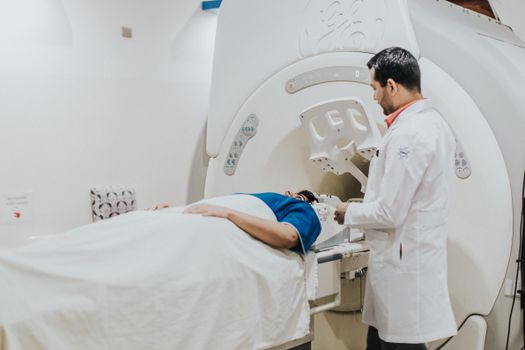 Photo: Charlss GonzHu / Pexels
 Photo: www.kaboompics.com / Pexels
 Photo: Tahir Xəlfəquliyev / Pexels
 Photo: Lucas Guimarães Bueno / Pexels