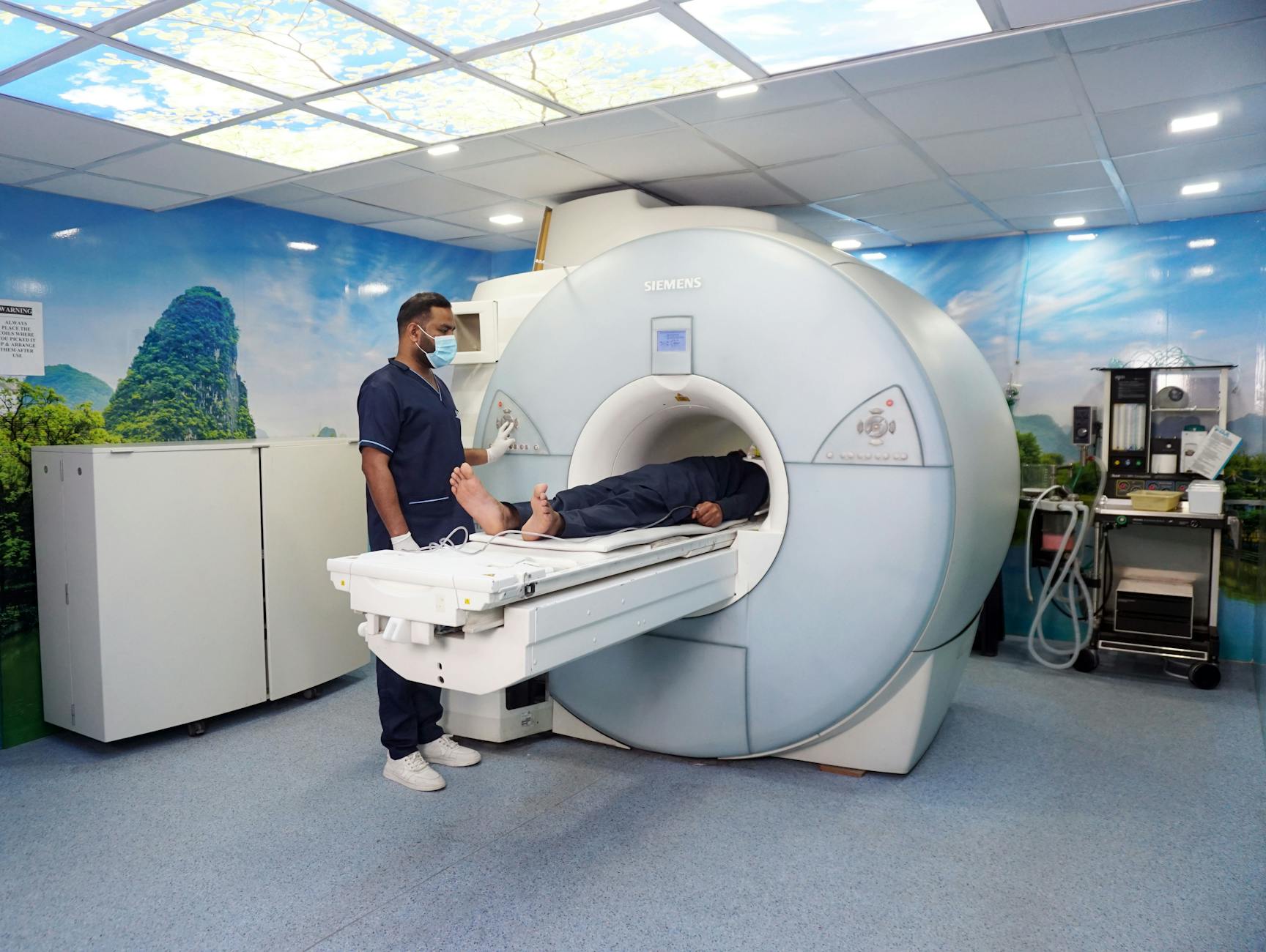
Cost of MRI Scan Without Insurance: Your Guide to Affordability
cost of MRI scan without insurance

Cost of MRI Scan Without Insurance: Your Guide to Affordability

Navigate the complexities of MRI pricing without insurance and discover strategies to make essential medical imaging accessible.

Find Affordable Options

Key Takeaways

  • ✓ The average cost of an MRI without insurance in the US ranges from $1,000 to $5,000, but can vary widely.
  • ✓ Prices are highly dependent on the body part scanned, the facility type (hospital vs. outpatient center), and geographic location.
  • ✓ Negotiating cash prices directly with imaging centers can significantly reduce costs.
  • ✓ Financial assistance programs, payment plans, and medical bill advocates are valuable resources for uninsured patients.

How It Works

1
Understand Your MRI Need

Consult your doctor to confirm the necessity of an MRI and the specific body part or type of scan required. This clarity helps in getting accurate quotes.

2
Research Pricing & Facilities

Compare prices from multiple imaging centers, including freestanding outpatient facilities and hospital-affiliated clinics. Outpatient centers often offer lower rates.

3
Negotiate Cash Prices

Contact chosen facilities and explicitly ask for their self-pay or cash discount price. Be prepared to negotiate, as initial quotes may not be the lowest.

4
Explore Financial Assistance

Inquire about payment plans, financial aid, or charity care programs directly with the imaging center or hospital. Many facilities have options for uninsured patients.

Understanding the Uninsured Cost of an MRI Scan
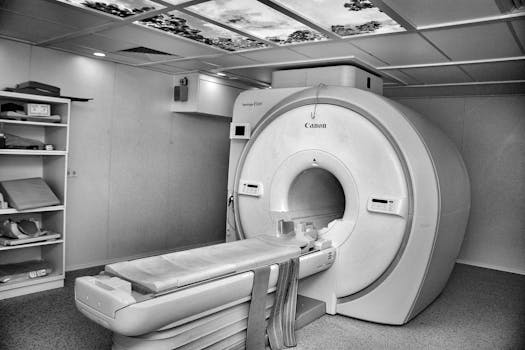
Black and white image of a modern MRI machine in a hospital room with overhead ceiling art. Photo: sirmudi_photography / Pexels
For many Americans, the prospect of needing a medical procedure like an MRI can be daunting, especially when faced with the reality of the cost of MRI scan without insurance. Magnetic Resonance Imaging (MRI) is a powerful diagnostic tool that uses strong magnetic fields and radio waves to create detailed images of organs and soft tissues within the body. It’s invaluable for diagnosing a wide range of conditions, from neurological disorders to musculoskeletal injuries and certain cancers. However, the price tag for this essential imaging can vary dramatically, leaving uninsured patients feeling overwhelmed and uncertain about how to proceed. The average cost of an MRI in the United States without insurance can range anywhere from $1,000 to over $5,000, and in some complex cases, even higher. This vast discrepancy isn't arbitrary; it's influenced by a multitude of factors that we'll delve into. One of the primary determinants of cost is the specific body part being scanned. A brain MRI, for instance, might carry a different price than an MRI of the knee or spine, due to differences in technical complexity, scan time, and interpretation requirements. The use of contrast dye, an agent injected into the bloodstream to enhance the visibility of certain structures, can also add significantly to the overall expense. While contrast can be crucial for an accurate diagnosis in many cases, it's an additional cost component that needs to be factored in. Moreover, the type of facility where the MRI is performed plays a critical role in pricing. Hospital-based imaging centers typically have higher overheads and, consequently, charge more for their services compared to freestanding, independent outpatient imaging centers. These outpatient centers often specialize in imaging and can offer more competitive self-pay rates. Geographic location is another major variable. An MRI in a densely populated urban area, particularly in states with higher living costs, will generally be more expensive than the same procedure in a rural setting. This is due to differences in operating costs, labor expenses, and local market competition. Furthermore, the radiologist's fee for interpreting the MRI images is usually billed separately from the technical fee for operating the machine. This means that when you receive a quote, it’s crucial to clarify whether it includes both the technical component (the scan itself) and the professional component (the interpretation by the radiologist). Without this clarification, you might receive a bill for hundreds of dollars more than anticipated. Understanding these intricate layers of billing and pricing is the first crucial step for anyone seeking an affordable MRI without insurance. It empowers you to ask the right questions and pursue the most cost-effective options available. Navigating the healthcare system as an uninsured patient requires diligence and proactive research, but with the right information, it's entirely possible to find an affordable MRI. For more detailed information on navigating medical costs, explore resources on understanding medical billing.

Strategies for Finding Affordable MRI Scan Options Without Insurance

A female doctor consulting a patient in a modern medical office setting. Photo: cottonbro studio / Pexels
When facing the need for an MRI without the safety net of insurance, proactive research and strategic negotiation become your best allies. The good news is that there are several effective strategies you can employ to significantly reduce the cost of MRI scan without insurance. The first and arguably most impactful strategy is to shop around. Just as you would compare prices for a major purchase, you should do the same for medical imaging. Do not assume that the first facility your doctor recommends is the cheapest or only option. Call multiple imaging centers in your area. This includes hospital outpatient departments, independent radiology clinics, and even specialized imaging centers. Be explicit about your uninsured status and ask for their self-pay or cash price. You might be surprised at the wide range of quotes you receive for the exact same procedure. Freestanding outpatient imaging centers, in particular, often have lower operating costs and are more willing to offer significant discounts for uninsured patients paying upfront. Another powerful tool in your arsenal is negotiation. Many healthcare providers, especially independent facilities, have some flexibility in their pricing. When you get a quote, don't be afraid to ask if that's the absolute lowest price or if there's any room for negotiation. You can mention lower prices you've received from competitors or simply explain your financial situation. Sometimes, facilities will offer an additional discount for immediate payment in full. This can be a substantial saving, potentially knocking hundreds of dollars off the bill. It's always worth asking about payment plans as well. Even if you can't pay the full discounted amount upfront, an interest-free payment plan can make the cost more manageable over several months. Consider investigating imaging centers outside of major metropolitan areas, if feasible. Prices tend to decrease as you move away from high-cost urban centers. While this might involve a bit of travel, the savings could easily outweigh the inconvenience. Additionally, some non-profit hospitals may offer financial assistance programs or charity care for patients who meet certain income criteria. It's always worth inquiring about these programs, even if you think you might not qualify, as eligibility requirements can vary. Online resources and price comparison tools can also be invaluable. Websites like NewChoiceHealth, Healthcare Bluebook, and Fair Health Consumer allow you to search for average prices of medical procedures in your zip code, providing a baseline for your negotiations. While these are estimates, they can give you a strong starting point and help you identify facilities that are significantly overcharging. By combining diligent research with confident negotiation, you can significantly lower the financial burden of an MRI without insurance.

Navigating Financial Aid and Understanding Your Bill

A woman sitting at a desk, reviewing bills and cash, symbolizing financial planning and management. Photo: https://kaboompics.com/ / Pexels
Even after diligent research and negotiation, the cost of MRI scan without insurance can still be a significant financial burden. Fortunately, there are various avenues for financial assistance that uninsured patients can explore. Many hospitals and larger imaging centers have dedicated financial counselors or patient advocates whose job it is to help patients navigate billing and find ways to make healthcare more affordable. Don't hesitate to ask for a meeting with one of these professionals. They can help you understand your bill, explain potential discounts, and guide you through the application process for financial aid programs. Charity care policies are another crucial resource, particularly at non-profit hospitals. These policies are designed to provide free or discounted care to low-income, uninsured patients who meet specific eligibility criteria, often based on federal poverty guidelines. The application process typically involves providing documentation of your income, assets, and household size. While it can be time-consuming, the potential for significant cost reduction or even complete coverage of your MRI scan makes it a worthwhile endeavor. Similarly, some states have specific programs or funds available to assist uninsured residents with medical expenses. A quick search for 'medical financial assistance [your state]' can often reveal these resources. When you receive your bill, it's imperative to scrutinize it carefully. Healthcare billing can be complex and prone to errors. Ensure that you are only being charged for the services you received and that the agreed-upon self-pay discount has been applied. Look for separate charges for the technical component (the scan itself) and the professional component (the radiologist's interpretation). If you find any discrepancies or have questions, contact the billing department immediately. Don't pay a bill you don't fully understand. If you feel overwhelmed or are struggling to get clear answers, consider seeking help from a medical bill advocate. These professionals specialize in reviewing medical bills, identifying errors, and negotiating with providers on your behalf, often for a percentage of the savings they achieve. Their expertise can be invaluable in reducing your out-of-pocket costs and ensuring fair billing practices. Additionally, some patient advocacy groups offer free resources and guidance for managing medical bills. By being proactive in seeking financial aid and meticulously reviewing your bills, you can protect yourself from unnecessary expenses and ensure you receive the care you need at a fair price. For further assistance with medical billing, consider exploring resources on patient advocacy for medical costs.

Tips for Reducing MRI Costs & Avoiding Common Pitfalls

A woman using a pink calculator surrounded by bills and receipts at a desk. Photo: https://kaboompics.com/ / Pexels
Successfully navigating the cost of MRI scan without insurance requires not just knowledge, but also a strategic approach to common challenges. Here are essential tips and pitfalls to avoid: * **Always Get a Written Quote:** Verbal quotes can be easily misunderstood or disputed. Insist on a written estimate that clearly outlines all included services (technical fee, professional fee, contrast dye if applicable) and the total self-pay price. This protects you from unexpected charges. * **Clarify All Fees Upfront:** Don't assume anything is included. Specifically ask about charges for the radiologist's interpretation, facility fees, contrast dye, and any pre-scan consultations. A seemingly low initial quote might hide significant additional costs. * **Avoid Emergency Room MRIs Unless Critical:** Emergency rooms are the most expensive place to get an MRI. Unless your condition is life-threatening and requires immediate imaging, try to get a referral to an outpatient center. The price difference can be thousands of dollars. * **Consider Direct Primary Care (DPC):** If you're uninsured long-term, a DPC membership might be a cost-effective solution. While DPC doesn't cover the MRI itself, many DPC physicians have established relationships with imaging centers and can often secure significantly discounted rates for their members, acting as a patient advocate. * **Don't Postpone Necessary Imaging:** While cost is a major concern, delaying a medically necessary MRI can lead to worsening conditions and potentially more expensive treatments down the line. Prioritize your health while actively seeking affordable options. * **Beware of 'Bundled' vs. 'Unbundled' Bills:** Some facilities offer a single 'bundled' price that includes everything. Others 'unbundle' the technical and professional fees, leading to two separate bills. Understand which type of billing you're getting to avoid surprises. * **Utilize Telehealth Consultations:** Before committing to an MRI, a telehealth consultation with a doctor can sometimes confirm if an MRI is truly necessary or if alternative, less expensive diagnostic methods are appropriate. This can save you money if the MRI isn't strictly required. By following these tips and being aware of potential pitfalls, uninsured patients can significantly reduce their financial exposure when needing an MRI scan. Proactive communication and meticulous planning are key to securing the best possible price for this vital diagnostic service.

Comparison

FeatureOutpatient Imaging CenterHospital-Based ImagingEmergency Room MRI
Average Self-Pay Cost (US)$800 - $2,500$1,500 - $4,000$3,000 - $7,000+
Negotiation PotentialHighModerateVery Low
Speed of SchedulingOften quickerVariableImmediate (if critical)
Access to Financial AidLimited (some offer payment plans)Yes (charity care, payment plans)Yes (charity care, limited)
Convenience/ParkingGenerally goodCan be challengingDepends on ER
Included Fees (Technical + Professional)Often bundled or clearly itemizedOften separate billsOften separate, highly complex

What Readers Say

"I was dreading the cost of an MRI scan without insurance after a sports injury. I called three different outpatient centers and negotiated a cash price that was nearly half of what the hospital quoted. It was still a lot, but manageable thanks to their payment plan."

Sarah J. · Austin, TX

"My doctor said I needed an MRI for my back. Being uninsured, I researched extensively. I found an independent clinic that offered a 'bundled' self-pay rate, including the radiologist's fee, for a very reasonable price. It really helped to know the full cost upfront."

Mark P. · Phoenix, AZ

"When I needed a brain MRI, I thought I'd be ruined. But by using an online price comparison tool and then calling facilities to negotiate, I saved over $1,500 on the cost of MRI scan without insurance. Don't be afraid to ask for discounts!"

Elena R. · Miami, FL

"It was still expensive, but I appreciated that the imaging center was transparent about all the fees. They explained the technical and professional components clearly and offered a modest discount for paying in full. It made a difficult situation a bit easier to manage."

David L. · Denver, CO

"After an ER visit where they wanted to do an MRI, I waited and got a referral to an outpatient center. The difference in the cost of MRI scan without insurance was staggering. Saved thousands by not getting it done in the ER."

Jessica W. · Seattle, WA

Frequently Asked Questions

What is the average cost of an MRI scan without insurance in the US?

The average cost of an MRI scan without insurance in the US typically ranges from $1,000 to $5,000. However, this can vary significantly based on factors like the body part being scanned, the use of contrast dye, the type of facility (hospital vs. outpatient center), and geographic location. Complex scans or those done in emergency settings can be even higher.

Can I negotiate the price of an MRI if I don't have insurance?

Yes, absolutely. Many imaging centers, especially freestanding outpatient facilities, are willing to negotiate cash or self-pay prices. Always ask for their lowest self-pay rate and inquire about additional discounts for paying upfront in full. Mentioning lower quotes from competitors can also be a negotiation tactic.

How can I find the cheapest MRI scan in my area?

To find the cheapest MRI scan, start by calling multiple imaging centers (outpatient facilities, independent clinics, and hospital departments) and explicitly ask for their self-pay cash price. Utilize online price comparison tools like NewChoiceHealth or Healthcare Bluebook to get a baseline. Consider facilities slightly outside major urban areas, as they may have lower costs.

Does the cost of an MRI include the radiologist's reading fee?

Not always. It's crucial to clarify this upfront. Often, the quote you receive is only for the technical component (the machine use and staff). The professional component, which is the radiologist's fee for interpreting the images and writing the report, is frequently billed separately. Always ask for a 'bundled' price that includes both components or get separate quotes for each.

Are there financial assistance programs for uninsured patients needing an MRI?

Yes. Many non-profit hospitals offer charity care or financial assistance programs for uninsured patients who meet certain income criteria. You can also inquire about payment plans directly with imaging centers. Medical bill advocates or patient advocacy groups can also help you navigate these options and potentially reduce your costs.

Who should consider getting an MRI without insurance?

Anyone whose doctor has determined an MRI is medically necessary for diagnosis or treatment planning, and who does not have health insurance coverage, should explore options for getting an MRI without insurance. This typically includes individuals with acute injuries, chronic pain, suspected neurological conditions, or certain cancer screenings where an MRI is the gold standard diagnostic tool.

Is it safe to get an MRI without a doctor's referral?

No, it is generally not safe or advisable to get an MRI without a doctor's referral. An MRI is a powerful diagnostic tool that should only be performed when clinically indicated and interpreted by a qualified radiologist. A doctor's referral ensures the correct type of MRI is ordered, helping to avoid unnecessary procedures and ensuring the results are relevant to your medical condition.

How might MRI costs for the uninsured change in the future?

Future MRI costs for the uninsured may be influenced by increasing price transparency regulations, which could empower consumers to compare prices more easily. Advances in technology might also lead to more efficient, potentially lower-cost machines, while continued growth in outpatient imaging centers could foster greater competition and more affordable self-pay rates. However, overall healthcare costs remain a complex issue.

Understanding the cost of MRI scan without insurance is your first step towards informed healthcare decisions. By utilizing the strategies outlined in this guide, you can confidently navigate the system, find affordable options, and ensure you receive the essential diagnostic care you need without overwhelming financial stress. Take control of your health and your finances today.

Topics: cost of MRI scan without insuranceuninsured MRI costaffordable MRI optionsMRI pricing transparencymedical imaging cost
Leo List

IE Escorts NO Escorts US Escorts NZ Escorts AU Escorts
Brampton weed
Adultwork EstrelaBet Vai de Bet R7 Bet Betão Galera Bet Rainbet Bet9ja Shop SportyBet BetKing Sisal Loto Foot Hollywoodbets YesPlay Odibets RushBet Jugabet BetWarrior BetCity MSport betPawa Fortebet