Common Symptoms of a Heart Attack in Women: A Lifesaving Guide
common symptoms of a heart attack in women

Common Symptoms of a Heart Attack in Women: A Lifesaving Guide

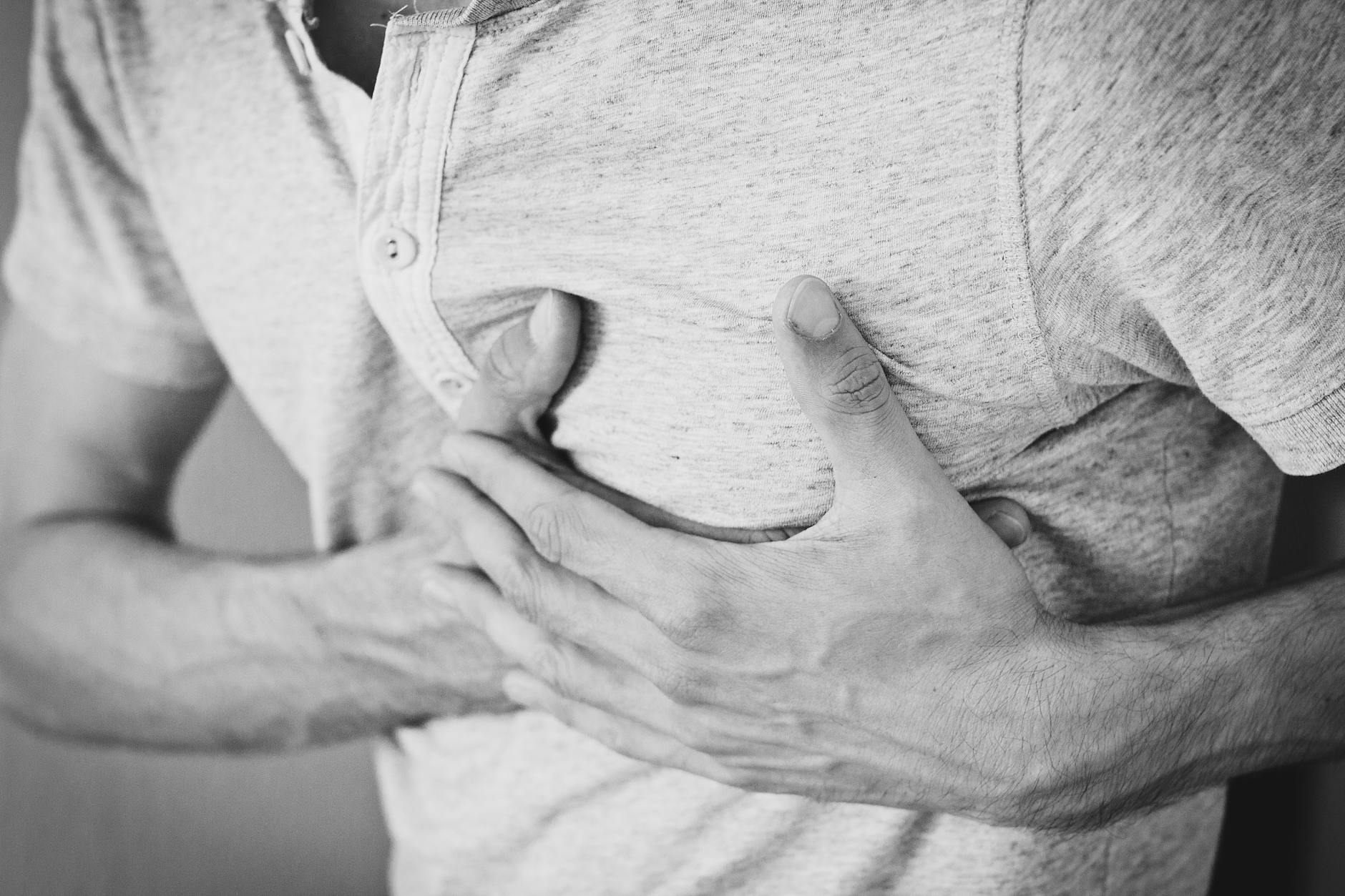
Black and white photo of a man clutching his chest, indicating discomfort or pain.Photo: freestocks.org / Pexels

Common Symptoms of a Heart Attack in Women: A Lifesaving Guide

Recognize the often subtle, yet critical, signs of a heart attack in women to ensure timely medical intervention.

Learn the Signs Now

Key Takeaways

  • ✓ Women often experience heart attack symptoms differently than men, making diagnosis challenging.
  • ✓ Fatigue, shortness of breath, and nausea are common, yet often overlooked, heart attack symptoms in women.
  • ✓ Delay in seeking medical attention is more common among women due to atypical symptoms and misinterpretation.
  • ✓ Heart disease is the leading cause of death for women in the United States.

How It Works

1
Educate Yourself on Atypical Symptoms

Understand that women's heart attack symptoms often differ from the classic 'Hollywood' chest pain. Familiarize yourself with the less obvious signs.

2
Listen to Your Body's Warning Signals

Pay close attention to new or unusual discomforts, especially if they are persistent or worsen with activity. Don't dismiss symptoms as stress or indigestion.

3
Act Immediately if Symptoms Arise

If you suspect you're having a heart attack, even if symptoms are mild, call 911 immediately. Early intervention is crucial for better outcomes.

4
Advocate for Yourself in Medical Settings

Clearly articulate your symptoms and concerns to medical professionals. Be prepared to emphasize that you are concerned about a heart attack, especially if your symptoms are atypical.

Understanding the Unique Presentation of Female Heart Attack Symptoms

From above of crop anonymous African American female lying on couch and touching belly while having stomach achePhoto: Sora Shimazaki / Pexels
For far too long, the classic depiction of a heart attack has been dominated by the image of a man clutching his chest in sudden, excruciating pain. While this can certainly be a symptom for anyone, including women, it's a dangerous oversimplification that has led to tragic consequences for women. The reality is that the common symptoms of a heart attack in women are often far more subtle, insidious, and easily dismissed, both by the individual experiencing them and sometimes by healthcare providers. This disparity in symptom presentation is a critical factor contributing to delayed diagnosis and treatment, ultimately increasing mortality rates among women. Understanding these nuances is not just important; it's a matter of life and death. The underlying physiological differences between men and women play a role in how heart attacks manifest. Women are more likely to experience blockages in the smaller arteries that supply blood to the heart, a condition known as small vessel disease or coronary microvascular disease. This can result in symptoms that are less localized and more generalized, such as fatigue, shortness of breath, and discomfort in areas other than the chest. Additionally, hormonal factors, particularly estrogen, are believed to influence cardiovascular health and disease progression, though the exact mechanisms are still under extensive research. The misconception that heart disease primarily affects men has also historically led to a lack of research focused specifically on women's cardiovascular health, contributing to the knowledge gap that persists today. One of the most insidious aspects of women's heart attack symptoms is their tendency to mimic less serious conditions. A woman might attribute her fatigue to a busy schedule, her nausea to a stomach bug, or her jaw pain to a dental issue. These misinterpretations are compounded by societal pressures and the tendency for women to prioritize the health of others over their own, often downplaying their own discomfort. The challenge lies in recognizing when these seemingly benign symptoms are, in fact, warning signs of a severe cardiac event. It's crucial for women to be aware of their personal risk factors, such as high blood pressure, high cholesterol, diabetes, and a family history of heart disease, as these can elevate the likelihood of a cardiac event and should prompt heightened vigilance regarding any unusual symptoms. Education and awareness are the first lines of defense, empowering women to advocate for their health and seek timely medical attention. This requires a fundamental shift in perception, moving away from the stereotypical heart attack image and embracing a more comprehensive understanding of its diverse presentations. It's not just about recognizing chest pain; it's about recognizing a broader spectrum of discomforts that could signal a heart in distress. For more information on preventative measures, explore resources on heart health and prevention. Furthermore, the emotional and psychological impact of heart disease on women is significant. The stress of managing chronic conditions, combined with the often-overlooked nature of their symptoms, can lead to increased anxiety and depression. These mental health challenges can, in turn, exacerbate cardiovascular risk factors, creating a vicious cycle. Therefore, a holistic approach to women's heart health must address not only the physical symptoms but also the psychological well-being of the individual. Encouraging open dialogue with healthcare providers, seeking support from family and friends, and engaging in stress-reducing activities are all vital components of comprehensive care. The goal is to empower women with the knowledge and confidence to recognize the common symptoms of a heart attack in women and to seek immediate help without hesitation, ensuring that their heart health is given the priority it deserves.

Beyond Chest Pain: Recognizing the Less Obvious Warning Signs

Woman with head injury holding her head in pain indoors.Photo: www.kaboompics.com / Pexels
While some women do experience the classic crushing chest pain associated with a heart attack, it's far from the only or even the most common symptom. In fact, many women report experiencing chest discomfort that is more akin to pressure, tightness, or a burning sensation, rather than sharp pain. This discomfort may also be localized in the center of the chest or spread to the arms (especially the left), back, neck, jaw, or stomach. The key difference is often the intensity and nature of the discomfort, which can be milder and less dramatic than what is typically portrayed. It's this subtlety that often leads to symptoms being ignored or misattributed to other conditions like acid reflux or muscle strain. The challenge for women and their healthcare providers is to consider cardiac causes even when the symptoms are not textbook. One of the most frequently reported atypical symptoms in women is unusual fatigue. This isn't just everyday tiredness; it's an overwhelming, debilitating fatigue that can come on suddenly and persist for days or weeks leading up to a heart attack. It may be so severe that it interferes with daily activities, making even simple tasks feel impossible. This fatigue often occurs without any clear explanation and can be accompanied by sleep disturbances. Women might also experience unexplained weakness or a heavy feeling in their arms. These symptoms are easily dismissed as signs of stress, aging, or a lack of sleep, highlighting the critical need for increased awareness. Shortness of breath, even without chest pain, is another significant warning sign for women. This can manifest as difficulty breathing during exertion that previously wasn't an issue, or even shortness of breath while at rest. It might feel like you can't get enough air, or like you're constantly sighing. This symptom is often accompanied by lightheadedness or dizziness. Nausea, vomiting, and indigestion are also common, particularly among women. These gastrointestinal symptoms can be mistaken for a stomach flu, food poisoning, or heartburn, further delaying appropriate medical care. It's important to remember that while these symptoms can indeed be caused by other conditions, when they occur in conjunction with other subtle signs or with new onset, they warrant immediate medical evaluation. Pain or discomfort in the jaw, neck, or back is another crucial indicator. This discomfort can be gradual or sudden, and it may radiate from the chest or occur independently. Many women describe it as a dull ache, pressure, or a squeezing sensation that can be confusing because it doesn't fit the expected pattern of heart attack pain. Some women even report pain in one or both arms, particularly the left arm, similar to men, but it can also be felt in the right arm or both. These symptoms, when combined with other atypical signs, form a constellation that strongly suggests a cardiac event. The cumulative effect of these less obvious symptoms is what makes recognizing a heart attack in women so challenging. It requires a heightened sense of self-awareness and a willingness to seek professional medical advice even when symptoms don't fit the conventional narrative. Early recognition and rapid response are paramount for improving outcomes and reducing the devastating impact of heart attacks on women.

The Critical Importance of Timely Action and Medical Intervention

EMT assisting a patient, highlighting emergency medical services and care.Photo: RDNE Stock project / Pexels
Recognizing the common symptoms of a heart attack in women is only half the battle; acting swiftly upon suspicion is equally, if not more, critical. Studies consistently show that women often delay seeking medical attention for heart attack symptoms longer than men. This delay can be attributed to several factors, including the atypical nature of their symptoms, which can lead to self-doubt and underestimation of the severity of their condition. Additionally, women may feel compelled to fulfill family or work responsibilities before addressing their own health concerns, a tendency often reinforced by societal expectations. However, every minute counts during a heart attack. The longer the delay, the more damage occurs to the heart muscle, leading to more severe complications, long-term disability, or even death. When you suspect you might be having a heart attack, the absolute first step is to call 911 immediately. Do not attempt to drive yourself to the hospital, and do not ask a friend or family member to drive you. Emergency medical services (EMS) personnel are trained to recognize and manage cardiac emergencies. They can begin treatment on the way to the hospital, which can significantly improve outcomes. They can also perform an electrocardiogram (ECG) on site and transmit the results to the emergency room, allowing hospital staff to prepare for your arrival and expedite treatment. This pre-hospital care is invaluable and can shave precious minutes off the time to definitive treatment, such as angioplasty. Once in the emergency room, it’s vital for women to clearly and assertively communicate their symptoms and concerns. Be specific about what you are feeling, where the discomfort is located, how long it has lasted, and any accompanying symptoms. Do not downplay your pain or discomfort. If you suspect a heart attack, state it explicitly. Sometimes, due to the atypical presentation of symptoms, healthcare providers might initially consider other diagnoses. Being your own advocate is crucial to ensure that your symptoms are thoroughly investigated for a cardiac cause. Don't hesitate to ask questions and seek clarification if you feel your concerns are not being adequately addressed. Upon diagnosis, treatment options for heart attacks are similar for men and women and may include medications to dissolve clots, open arteries, or reduce the heart's workload, as well as procedures like angioplasty and stenting. However, timely access to these treatments is paramount. The goal is to restore blood flow to the heart muscle as quickly as possible to minimize damage. Post-heart attack care also involves a comprehensive rehabilitation program, lifestyle modifications, and ongoing medical management. This includes regular follow-up with a cardiologist, adherence to prescribed medications, and participation in cardiac rehabilitation programs which help strengthen the heart, improve physical fitness, and provide education on heart-healthy living. For further guidance on maintaining a healthy heart, consider exploring resources on preventative cardiology. The journey doesn't end with treatment; it's an ongoing commitment to heart health.

Preventative Measures and Lifestyle Tips for Women's Heart Health

A woman exercises in a bright rehabilitation center, focusing on recovery and wellness.Photo: Ahmet Kurt / Pexels
While recognizing the common symptoms of a heart attack in women is crucial, prevention remains the most powerful tool in the fight against heart disease. Adopting a heart-healthy lifestyle can significantly reduce your risk. This involves a multi-faceted approach that addresses diet, exercise, stress management, and regular medical check-ups. **Dietary Recommendations:** * **Embrace a plant-rich diet:** Focus on fruits, vegetables, whole grains, and legumes. These are packed with fiber, vitamins, and antioxidants. * **Choose lean proteins:** Opt for poultry, fish (especially fatty fish rich in omega-3s), and plant-based proteins like beans and lentils. * **Limit unhealthy fats:** Reduce saturated and trans fats found in processed foods, fried items, and some animal products. Choose healthy fats from avocados, nuts, seeds, and olive oil. * **Reduce sodium intake:** High sodium contributes to high blood pressure. Read food labels and opt for low-sodium options. * **Minimize added sugars:** Excessive sugar intake can lead to weight gain and increased risk of diabetes and heart disease. **Physical Activity:** * **Aim for at least 150 minutes of moderate-intensity aerobic exercise per week:** This could be brisk walking, swimming, cycling, or dancing. Break it into shorter sessions if needed. * **Include strength training:** Two or more days a week, work all major muscle groups. This helps build muscle mass and improves metabolism. * **Incorporate flexibility and balance exercises:** Yoga or Tai Chi can improve overall physical well-being and reduce stress. **Stress Management:** * **Practice mindfulness and meditation:** Even a few minutes a day can reduce stress hormones. * **Engage in hobbies and relaxation techniques:** Reading, listening to music, gardening, or spending time in nature can be excellent stress relievers. * **Prioritize sleep:** Aim for 7-9 hours of quality sleep per night. Poor sleep can impact heart health. **Regular Medical Check-ups:** * **Know your numbers:** Regularly monitor your blood pressure, cholesterol levels, and blood sugar. Discuss these with your doctor. * **Manage existing conditions:** If you have high blood pressure, diabetes, or high cholesterol, work closely with your doctor to manage them effectively. * **Quit smoking:** Smoking is a major risk factor for heart disease. Seek support to quit if you smoke. * **Limit alcohol:** If you drink, do so in moderation. Excessive alcohol consumption can raise blood pressure. By proactively adopting these lifestyle changes, women can significantly bolster their cardiovascular health and reduce their risk of experiencing a heart attack. It's an investment in your long-term well-being.

Comparison

Symptom TypeCommon in MenMore Common in WomenKey Distinguishing Factor
Chest Pain/DiscomfortCrushing, severe, central chest painPressure, tightness, burning; can be mild or diffuseNature and intensity often less 'classic' in women
FatigueLess common as primary symptomOverwhelming, unexplained, persistent fatigue (days/weeks)Can be the *only* prominent symptom in women
Shortness of BreathOften with chest painCan occur without chest pain, during rest or mild exertionMore likely to be isolated symptom in women
Pain in Other AreasLeft arm (classic)Back, jaw, neck, stomach, one or both armsBroader radiation pattern, often less severe
Nausea/IndigestionLess commonFrequent, mistaken for flu/heartburnMore prevalent and easily dismissed in women

What Our Readers Say

5 ★★★★★

"This article was a wake-up call. I've always dismissed my fatigue and indigestion as 'just stress,' but after reading this, I realize they could be much more serious. It's empowering to know the common symptoms of a heart attack in women."

5 ★★★★★

"My mother had a heart attack with no chest pain, only back pain and nausea. This article perfectly explains why it was initially missed. Every woman needs to read about the common symptoms of a heart attack in women."

5 ★★★★★

"I had unusual jaw pain for days and almost didn't go to the ER. This information on common symptoms of a heart attack in women saved me; doctors confirmed it was a heart attack and I received timely treatment."

4 ★★★★☆

"While incredibly informative, I wish there were more visual aids or a quick checklist. Still, the depth of information on common symptoms of a heart attack in women is invaluable for raising awareness."

5 ★★★★★

"As a healthcare professional, I appreciate the emphasis on atypical symptoms and patient advocacy. This is crucial for improving outcomes for women. Understanding the common symptoms of a heart attack in women is paramount for clinicians and patients alike."

Frequently Asked Questions

What are the most common symptoms of a heart attack in women?
The most common symptoms of a heart attack in women include unusual fatigue, shortness of breath, nausea/vomiting, pain in the back, neck, jaw, or arms, and chest discomfort that may feel like pressure or tightness rather than sharp pain. These symptoms can be subtle and easily mistaken for other conditions, making awareness crucial.
Why do women's heart attack symptoms differ from men's?
Differences in symptom presentation are thought to be due to several factors, including women often having blockages in smaller arteries (microvascular disease), hormonal influences, and potentially different pain perceptions. These physiological distinctions lead to more generalized or atypical symptoms compared to the classic chest pain often seen in men.
What should I do if I suspect I'm having a heart attack with atypical symptoms?
If you experience any unusual, persistent, or worsening symptoms that concern you, especially if you have risk factors for heart disease, call 911 immediately. Do not wait for symptoms to become severe, and do not try to drive yourself to the hospital. Early medical intervention is critical.
Is heart disease really a big concern for women in the US?
Absolutely. Heart disease is the leading cause of death for women in the United States, surpassing all forms of cancer combined. This fact often surprises people, highlighting the urgent need for increased awareness and education about women's heart health and the common symptoms of a heart attack in women.
How can I advocate for myself in a medical setting if my symptoms are atypical?
Clearly and assertively describe all your symptoms, emphasizing their duration and intensity. Explicitly state your concern that you might be having a heart attack. Don't minimize your discomfort, and be prepared to ask for a cardiac evaluation if you feel your concerns are not being adequately addressed. Bring a list of your medical history and medications.
Who should be particularly vigilant about common symptoms of a heart attack in women?
All women should be aware, but vigilance is especially important for those with risk factors such as high blood pressure, high cholesterol, diabetes, obesity, a family history of heart disease, or those who smoke. Postmenopausal women also have an increased risk due to hormonal changes.
Are there any specific risks or safety concerns for women undergoing heart attack treatment?
While treatments are generally similar, women may experience different responses to certain medications or procedures. For instance, women tend to have smaller arteries, which can sometimes complicate certain interventions. It's crucial to discuss any concerns with your medical team, who can tailor treatment to your specific needs and physiology.
What future trends are there in understanding women's heart attack symptoms?
Future trends include more targeted research on sex-specific differences in heart disease, personalized medicine approaches, and advanced diagnostic tools that can better detect small vessel disease. There's also a growing emphasis on artificial intelligence and machine learning to help identify subtle symptom patterns and improve early diagnosis for women.

Understanding the common symptoms of a heart attack in women is a powerful step towards safeguarding your health. Don't ignore subtle signs; educate yourself, listen to your body, and act immediately. Your life could depend on it.

Topics: common symptoms of a heart attack in womenwomen's heart attack signsfemale heart attack symptomsatypical heart attack symptomsheart disease in women
Leo List
Brampton weed
Adultwork