
Buy Medical Alert System for Seniors: Your Ultimate Guide
Empower your loved ones with independence and security through the right medical alert system.
Find Your Perfect SystemKey Takeaways
- ✓ Over 1 in 4 Americans aged 65+ fall each year.
- ✓ Medical alert systems can reduce emergency response times by 30% or more.
- ✓ Many systems offer advanced features like fall detection and GPS tracking.
- ✓ Monthly monitoring fees typically range from $20-$50.
- ✓ Choosing the right system involves considering lifestyle, health needs, and budget.
How It Works
Wearable devices (pendants, wristbands) are kept on the senior at all times. Base units are plugged into power and connected to a landline or cellular network.
In an emergency, the senior presses a button on their wearable or base unit. Advanced systems with fall detection automatically alert without a button press.
The device transmits a signal to a 24/7 professional monitoring center. A trained operator speaks to the senior through the device's two-way speaker.
Based on the situation, the operator dispatches appropriate help (paramedics, police, fire) and notifies pre-selected family members or caregivers.
Understanding the Need for Senior Medical Alert Systems
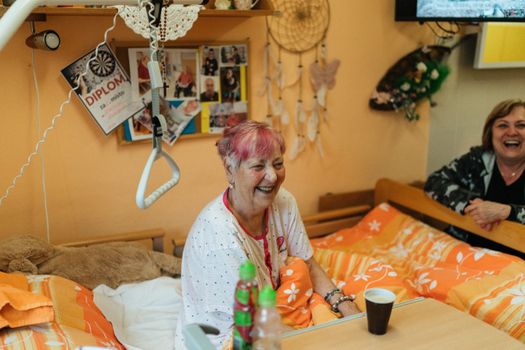 Photo: Jsme MILA / Pexels
These systems, also known as Personal Emergency Response Systems (PERS), are designed to provide immediate access to help with the simple press of a button. For seniors who live alone, or those with chronic health conditions, a medical alert system isn't just a convenience; it's a vital safety net. It allows them to continue living in their homes, a preference for the vast majority of older adults, without the constant fear of being unable to call for help. Family members, often juggling their own responsibilities, can rest easier knowing that their loved one has a direct line to assistance around the clock. The psychological benefit is immense, reducing anxiety for everyone involved and fostering a sense of security. When you consider senior care options, a medical alert system stands out as a proactive and empowering choice. It supports independence rather than limiting it, allowing seniors to maintain their routines and lifestyle with an added layer of protection. The market offers a wide array of options, from basic in-home units to advanced mobile systems with GPS tracking and automatic fall detection, catering to diverse needs and lifestyles. This comprehensive guide will walk you through everything you need to know to make an informed decision when you buy a medical alert system for seniors, ensuring you select the best fit for your unique situation and provide the ultimate peace of mind.
Key Features to Consider When Buying a Medical Alert System
 Photo: Rollz International / Pexels
Automatic fall detection is a groundbreaking feature that has become increasingly popular. Utilizing accelerometers and other sensors, these devices can detect if a wearer has experienced a fall and automatically alert the monitoring center, even if the senior is unable to press their button. This is particularly vital for individuals at high risk of falls or those who may lose consciousness. However, it's important to note that no fall detection system is 100% accurate, and occasional false alarms or missed falls can occur. Two-way communication is another essential feature, allowing the senior to speak directly with the monitoring center operator through their pendant or base unit, providing crucial details about their emergency. Battery life is a practical consideration, especially for mobile devices. Look for systems with long-lasting batteries and clear indicators for when recharging is needed.
Additionally, consider caregiver features. Many modern systems offer companion apps that allow family members to track the senior's location (with their permission), check device battery status, and receive alerts when the system is activated. Some even integrate medication reminders or daily check-in services. Installation and setup ease should also be a factor; most systems are designed for simple plug-and-play setup, but some may require more assistance. Finally, explore the monitoring center's credentials. Look for centers that are UL-listed and CSAA Five Diamond Certified, ensuring high standards of training, reliability, and response times. By carefully evaluating these features, you can confidently buy a medical alert system for seniors that offers comprehensive protection and fits seamlessly into their daily life.
Comparing Providers: What to Look for in a Medical Alert Service
 Photo: SHVETS production / Pexels
Pricing is a significant factor for many families. Medical alert systems typically involve a monthly monitoring fee, and some may also have equipment purchase costs or activation fees. Be sure to get a clear breakdown of all potential costs upfront. Some providers offer discounts for annual payments or multi-year contracts, but be wary of long-term commitments that might tie you into a service you're not satisfied with. Understand what is included in the monthly fee – does it cover equipment maintenance, battery replacements, or mobile data usage? Clarity in pricing prevents unexpected charges down the line. It's also wise to inquire about trial periods or cancellation policies. A reputable company will often offer a risk-free trial or a straightforward cancellation process.
The quality and location of the monitoring center are paramount. As mentioned earlier, look for centers that are UL-listed and CSAA Five Diamond Certified. These certifications indicate that the monitoring center adheres to strict industry standards for equipment, training, and emergency protocols. Inquire about their average response times – how quickly do operators typically answer a call? Also, consider whether their operators are U.S.-based and if they offer multilingual support if needed. The training of operators is crucial; they should be calm, empathetic, and highly skilled in handling various emergency situations. Some providers offer unique services like medication reminders, daily check-in calls, or even non-emergency concierge services, which can add significant value.
Finally, consider the flexibility of their plans. Can you upgrade or downgrade features easily? What happens if the senior's needs change? For example, if they become more active, can an in-home system be easily transitioned to a mobile one? Understanding these aspects will help you select a provider that offers not just a device, but a reliable, responsive, and adaptable service. By diligently comparing providers on these criteria, you can confidently choose a medical alert system that delivers consistent peace of mind and robust protection for your senior loved one.
Tips for Successful Implementation and Common Mistakes to Avoid
 Photo: Greta Hoffman / Pexels
Tips for Success:
- Involve the Senior in the Decision: Ensure your loved one feels empowered and comfortable with the system. Their buy-in is critical for consistent use.
- Practice Regularly: Conduct regular, non-emergency tests with the senior. This helps them become familiar with the system and builds confidence in its use.
- Wear It Consistently: Emphasize that the device must be worn at all times, especially in the bathroom or while sleeping, as these are high-risk areas for falls.
- Update Emergency Contacts: Keep the list of emergency contacts with the provider current. Ensure family members and neighbors know about the system and what to do if contacted.
- Educate Caregivers/Family: Make sure anyone involved in the senior's care understands how the system works, who to contact, and what their role is in an emergency.
- Check Battery Life: For mobile units, establish a routine for charging the device. For in-home units, ensure the base station has power and is functioning.
- Review Monitoring Protocols: Understand what happens when the button is pressed. Who is called first? What information do they need?
Common Mistakes to Avoid:
- Not Wearing the Device: The most common mistake. A medical alert system only works if it's worn. Address any discomfort or resistance early on.
- Ignoring Battery Warnings: A dead battery renders the system useless. Don't let low battery alerts go unaddressed.
- Assuming Fall Detection is Flawless: While excellent, fall detection isn't 100% accurate. Seniors should still be encouraged to press their button if they can.
- Not Testing the System: Regular testing ensures the system is connected and functioning correctly. Don't wait for an emergency to discover an issue.
- Choosing the Wrong System: Selecting an in-home system for an active senior or a basic system for someone with complex medical needs can be ineffective. Match the system to the lifestyle and health requirements.
- Overlooking Hidden Fees: Always get a clear, itemized breakdown of all costs to avoid surprises.
- Failing to Inform Neighbors/Family: Key contacts should be aware of the system and prepared to assist if called upon by the monitoring center.
Comparison
| Feature | Active Senior (Mobile GPS) | Homebody (In-Home) | High-Risk (Advanced) |
|---|---|---|---|
| Device Type | Wearable Pendant/Watch | Base Unit + Pendant | Mobile w/ Advanced Sensors |
| Coverage Area | Anywhere with cellular signal | Within range of base unit (home) | Anywhere with cellular signal |
| Fall Detection | Optional/Included | Often Optional | Highly Recommended/Included |
| GPS Tracking | ✓ | ✗ | ✓ |
| Two-Way Talk | ✓ (via device) | ✓ (via base or pendant) | ✓ (via device) |
| Caregiver App | Often Included | Sometimes Available | Often Included |
| Battery Life | 1-5 Days (Rechargeable) | Backup Battery (Base), 1-2 years (Pendant) | 1-5 Days (Rechargeable) |
| Typical Monthly Cost | $35-$55+ | $20-$40 | $45-$65+ |
What Readers Say
"I was hesitant to buy a medical alert system for my mother, but it's been a game-changer. She fell last month, and the system worked perfectly, getting help to her quickly. It's truly given us all immense peace of mind."
Eleanor V. · Phoenix, AZ"My father loves his mobile alert system. He's very active, and knowing he's protected whether he's on his daily walk or at the grocery store is invaluable. The GPS feature is a big comfort for me."
Robert S. · Chicago, IL"We chose a system with fall detection after my grandmother had a stroke. It activated when she slipped in the bathroom, and the paramedics were there in minutes. This system literally saved her life, no exaggeration."
Maria G. · Houston, TX"The in-home system works well for my aunt. She sometimes forgets to wear the pendant, which is a concern, but when she does, it's reliable. Customer service has been very helpful with any questions."
David L. · Seattle, WA"For my grandfather who lives alone, buying a medical alert system for seniors was the best decision. He feels more secure, and I don't constantly worry. The monthly fee is a small price for such vital security."
Jessica T. · Miami, FLFrequently Asked Questions
What is the average cost to buy a medical alert system for seniors?
The average cost to buy a medical alert system for seniors typically ranges from $20 to $60 per month for monitoring services. Some systems may also have an upfront equipment purchase fee, ranging from $0 to $200+, depending on the features like fall detection or GPS. Always ask for a full breakdown of costs, including activation fees or contract requirements.
Are medical alert systems with fall detection reliable?
Medical alert systems with fall detection are generally very reliable and a significant safety enhancement. They use advanced sensors to detect sudden changes in motion and altitude. However, no system is 100% perfect, and false alarms or missed detections can occasionally occur. It's still crucial for the senior to press their help button if they are able.
How do I set up a medical alert system for my senior loved one?
Most modern medical alert systems are designed for easy, self-installation. Typically, you plug the base unit into a power outlet and, if applicable, a phone jack (for landline systems) or simply power it on (for cellular systems). The wearable pendant usually comes pre-paired. The provider will then guide you through a test call to ensure everything is working correctly.
Is it better to rent or buy the equipment for a medical alert system?
Most medical alert companies include the equipment rental fee within their monthly monitoring cost, meaning you don't typically 'buy' the equipment outright in the traditional sense. Some advanced mobile units might have an initial purchase fee. Renting is often more flexible, as the provider handles maintenance and upgrades. Evaluate the total cost over time for both options if available.
How does a medical alert system compare to just using a cell phone?
While a cell phone allows for direct calls to 911, a medical alert system offers distinct advantages. It provides 24/7 access to a trained monitoring center that can assess the situation, speak to the senior directly, and dispatch appropriate help (paramedics, family, etc.) even if the senior can't speak. Wearable devices are also always on the person, waterproof, and easily accessible, unlike a phone that might be out of reach after a fall.
Who should consider buying a medical alert system for seniors?
Anyone concerned about a senior's safety and independence should consider a medical alert system. This includes seniors who live alone, those with chronic health conditions (heart disease, diabetes), a history of falls, limited mobility, or those recovering from surgery. It's also ideal for active seniors who want protection while out and about.
Are medical alert systems waterproof?
Yes, nearly all medical alert pendants and wristbands are designed to be waterproof or water-resistant, allowing seniors to wear them in the shower or bath, which are common locations for falls. Always confirm the specific water resistance rating (e.g., IPX7) with your chosen provider to ensure it meets your needs.
What new technologies are emerging in medical alert systems?
Emerging technologies include smartwatches with integrated medical alert features, voice-activated systems, predictive analytics for fall risk, and enhanced caregiver apps offering more detailed insights into a senior's activity patterns and well-being. Integration with smart home devices for environmental monitoring is also on the horizon, creating a more comprehensive safety net.
Taking the step to buy a medical alert system for seniors is an investment in their safety, independence, and your family's peace of mind. Explore the options, compare providers, and choose the system that best fits your loved one's unique needs. Don't wait for an emergency; secure their well-being today.