
Uncover the Best Treatment for Sciatica Pain & Find Relief Now
Explore proven strategies and personalized care pathways to effectively manage and eliminate your sciatica discomfort.
Start Your Relief JourneyKey Takeaways
- ✓ Sciatica affects up to 40% of people at some point in their lives.
- ✓ Conservative treatments are effective for over 80% of sciatica cases.
- ✓ Early intervention significantly improves long-term outcomes for sciatica.
- ✓ Accurate diagnosis is crucial for determining the most effective treatment plan.
How It Works
Sciatica is a symptom, not a diagnosis. Understanding the root cause, such as a herniated disc or spinal stenosis, is the first critical step towards effective treatment.
Most sciatica cases respond well to non-surgical approaches like physical therapy, medication, and lifestyle adjustments. These form the cornerstone of initial treatment.
If conservative methods are insufficient, targeted injections or minimally invasive procedures may be recommended. These aim to reduce inflammation and pressure on the sciatic nerve.
Sustained relief often involves ongoing exercises, ergonomic adjustments, and proactive strategies to prevent recurrence. This ensures a lasting improvement in quality of life.
Understanding Sciatica: Causes and Symptoms
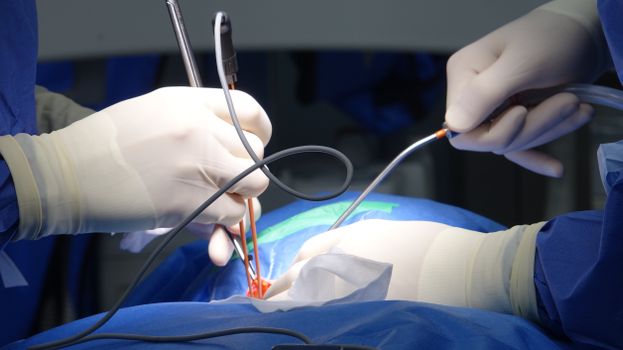 Photo: Viktors Duks / Pexels
Common causes include a herniated or bulging disc in the lumbar spine, which presses directly on the nerve root. Other culprits can be spinal stenosis, a narrowing of the spinal canal; piriformis syndrome, where the piriformis muscle in the buttock irritates the nerve; spondylolisthesis, a condition where one vertebra slips over another; and, less commonly, spinal tumors or infections. Recognizing the specific cause is paramount because it dictates the most effective treatment approach. Symptoms typically affect only one side of the body and can range from a mild ache to a sharp, burning sensation or excruciating pain. Some individuals also experience numbness, tingling (often described as 'pins and needles'), or muscle weakness in the affected leg or foot. The pain often worsens with prolonged sitting, standing, or specific movements. Understanding these foundational aspects is the first step in seeking the best treatment for sciatica pain and achieving lasting relief.
Initial Conservative Treatments for Sciatica Relief
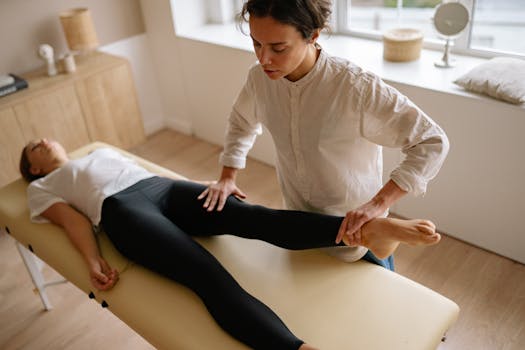 Photo: Yan Krukau / Pexels
Physical therapy is a cornerstone of conservative treatment. A tailored program, guided by a qualified therapist, will include exercises designed to strengthen core muscles, improve flexibility, correct posture, and reduce pressure on the sciatic nerve. This might involve stretching, strengthening exercises, aerobic conditioning, and manual therapy techniques. Heat and cold therapy can also provide temporary relief; ice packs help reduce inflammation, while heat packs can relax tense muscles. Lifestyle modifications, such as avoiding prolonged sitting, using proper lifting techniques, and maintaining a healthy weight, are also crucial. These combined strategies aim to resolve acute symptoms and prevent future flare-ups, making them a vital component in finding the best treatment for sciatica pain.
See also: rental car.
Advanced Interventions and Surgical Options
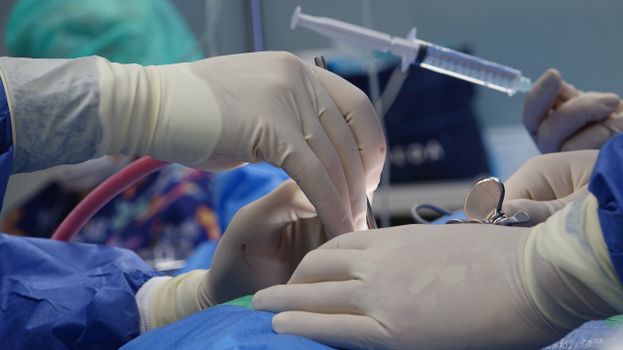 Photo: Viktors Duks / Pexels
For a small percentage of individuals (typically 5-10%), surgery may be the most appropriate and effective solution, especially when there's a clear anatomical cause like a large herniated disc or severe spinal stenosis. The most common surgical procedure for sciatica is a microdiscectomy, where a small portion of the herniated disc that is pressing on the nerve is removed. Another procedure is a laminectomy, which involves removing part of the vertebral bone (lamina) to decompress the spinal canal in cases of spinal stenosis. These surgical interventions aim to directly relieve pressure on the sciatic nerve, offering significant and often long-lasting relief. Discussing the risks and benefits thoroughly with a neurosurgeon or orthopedic spine specialist is essential to determine if surgery is the best treatment for sciatica pain in your specific situation.
Preventing Sciatica and Long-Term Management Tips
 Photo: www.kaboompics.com / Pexels
- Maintain Good Posture: Practice proper posture when sitting, standing, and lifting. Use ergonomic chairs and desks, and avoid slouching.
- Regular Exercise: Engage in low-impact activities like walking, swimming, or cycling. Strengthen your core muscles, which support your spine, through exercises like planks and abdominal crunches.
- Stretch Regularly: Incorporate gentle stretching into your daily routine, especially stretches that target the lower back, glutes, and hamstrings.
- Lift Safely: Always lift with your legs, keeping your back straight, and avoid twisting your body while lifting heavy objects.
- Maintain a Healthy Weight: Excess body weight, especially around the abdomen, can put additional strain on your lower back.
- Avoid Prolonged Sitting/Standing: If your job requires long periods of sitting or standing, take regular breaks to stretch and move around.
- Quit Smoking: Smoking can reduce blood flow to the spine and discs, potentially accelerating degenerative changes.
- Consider Ergonomics: Assess your workspace and make adjustments to support proper spinal alignment.
Comparison
| Feature | Physical Therapy | Epidural Injections | Microdiscectomy | NSAIDs |
|---|---|---|---|---|
| Invasiveness | Non-invasive | Minimally invasive | Surgical | Non-invasive |
| Pain Relief (Duration) | Long-term (with adherence) | Temporary (weeks-months) | Long-term (often permanent) | Short-term (hours) |
| Addresses Root Cause | Indirectly (strengthening) | Reduces inflammation (symptom) | Directly (removes pressure) | Reduces inflammation (symptom) |
| Recovery Time | Gradual, ongoing | Minimal (hours-days) | Weeks-months | None |
| Side Effects | Minor muscle soreness | Temporary pain, infection risk | Standard surgical risks | Digestive issues, kidney risk |
| Cost (US Typical) | Moderate | Moderate-High | High | Low |
| Best For | Most cases, long-term | Moderate-severe acute pain | Severe, unresponsive cases | Mild-moderate acute pain |
What Readers Say
"After weeks of agonizing sciatica, my doctor recommended physical therapy. The targeted exercises were truly the best treatment for sciatica pain for me; I'm now almost completely pain-free and able to enjoy my daily walks again."
Sarah J. · Austin, TX"Epidural injections provided immediate relief from my severe nerve pain. It gave me the window I needed to start strengthening exercises, and I haven't looked back. Highly recommend discussing this option with your specialist."
David M. · Seattle, WA"I had a microdiscectomy for a herniated disc, and it was life-changing. The excruciating pain in my leg vanished overnight. For me, this surgical intervention was definitely the best treatment for sciatica pain after trying everything else."
Maria P. · Miami, FL"While NSAIDs provided some temporary relief, combining them with consistent stretching and ergonomic adjustments at work made a significant difference. It wasn't a magic bullet, but the holistic approach helped manage my symptoms effectively."
Robert L. · Denver, CO"My chiropractor identified piriformis syndrome as the cause of my sciatica. Targeted adjustments and specific stretches proved to be the best treatment for my sciatica pain. I'm so grateful for their expertise!"
Jessica T. · Chicago, ILFrequently Asked Questions
What is truly the best treatment for sciatica pain?
The 'best' treatment for sciatica pain is highly individualized and depends on the underlying cause, severity of symptoms, and individual health factors. For most people, a combination of conservative treatments like physical therapy, medication, and lifestyle adjustments is highly effective. In more severe or persistent cases, epidural injections or surgical intervention may be considered.
Will my sciatica pain go away on its own?
Many mild cases of sciatica do resolve on their own within a few weeks with rest and basic self-care. However, it's crucial to consult a healthcare professional if the pain is severe, persistent, or accompanied by weakness or numbness, as early intervention can prevent chronic issues and identify more serious underlying conditions.
How can I relieve sciatica pain at home?
At home, you can find relief by applying ice or heat packs, taking over-the-counter NSAIDs (like ibuprofen), performing gentle stretches for the lower back and glutes, and maintaining light activity rather than prolonged bed rest. Ensuring proper posture and avoiding movements that aggravate the pain are also key.
How much does sciatica treatment cost in the US?
The cost of sciatica treatment in the US varies widely based on the chosen approach, insurance coverage, and region. Conservative treatments like physical therapy or medication are generally more affordable than advanced interventions like epidural injections (which can range from hundreds to a few thousand dollars) or surgery (which can be tens of thousands). Always check with your insurance provider for coverage details.
Is surgery always necessary for severe sciatica?
No, surgery is not always necessary for severe sciatica. It's typically considered a last resort when conservative treatments have failed after several months, or if there are signs of progressive neurological deficits like significant muscle weakness or loss of bowel/bladder control. Most severe cases can still be effectively managed without surgery.
Who should I see for sciatica pain?
You should initially consult your primary care physician. They can diagnose the likely cause and recommend initial treatments or refer you to specialists such as a physical therapist, chiropractor, orthopedist, neurosurgeon, or a pain management specialist, depending on your specific needs.
Are there any risks associated with sciatica treatments?
All treatments carry some risks. NSAIDs can have gastrointestinal side effects. Injections carry risks of infection, bleeding, or temporary nerve irritation. Surgery has more significant risks, including infection, bleeding, nerve damage, and complications from anesthesia. Your doctor will discuss specific risks relevant to your chosen treatment plan.
What are the future trends in treating sciatica?
Future trends in sciatica treatment include a greater emphasis on personalized medicine, utilizing advanced imaging and genetic markers to predict treatment response. There's also ongoing research into novel regenerative therapies, advanced neuromodulation techniques, and continued refinement of minimally invasive surgical procedures to reduce recovery times and improve outcomes.
Don't let sciatica pain control your life any longer. By understanding the causes and exploring the comprehensive range of treatments available, you can find the best path to lasting relief. Consult with a healthcare professional today to develop a personalized plan and take the first step towards a pain-free future.