Unlocking Lifelong Health: Benefits of Preventive Health Screenings
benefits of preventive health screenings

Unlocking Lifelong Health: Benefits of Preventive Health Screenings

Proactive health screenings are your best defense against serious illness, offering peace of mind and a path to a vibrant future.

Find a Screening Center

Key Takeaways

  • ✓ Preventive screenings can detect diseases before symptoms appear, often making them easier to treat.
  • ✓ Regular check-ups reduce long-term healthcare costs by preventing advanced illnesses.
  • ✓ Many screenings are covered by insurance under the Affordable Care Act.
  • ✓ Personalized screening schedules are crucial, based on age, gender, family history, and lifestyle.

How It Works

1
Consult Your Doctor

Discuss your medical history, lifestyle, and family health with your primary care physician. They will help tailor a screening plan specific to your needs and risk factors.

2
Undergo Recommended Screenings

Participate in tests like blood pressure checks, cholesterol tests, cancer screenings, and diabetes tests. These procedures are typically quick and minimally invasive, designed for early detection.

3
Review Results & Plan

Your doctor will explain your results and discuss any findings. If issues are identified, they will outline next steps, which might include lifestyle changes, further diagnostics, or treatment plans.

4
Maintain Regular Follow-Ups

Adhere to your doctor's recommended follow-up schedule for ongoing monitoring and future screenings. Consistency is key to maintaining optimal health and catching new concerns early.

The Power of Early Detection in Disease Prevention
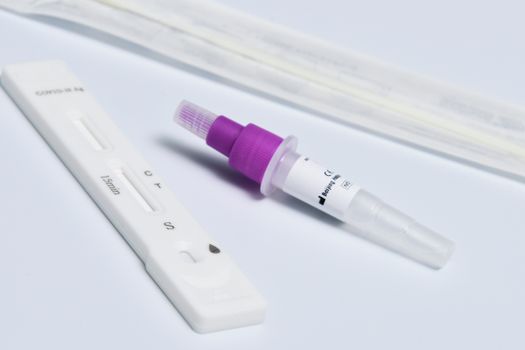
Close-up of a COVID-19 rapid antigen test kit with a dropper and swab on a white surface. Photo: adrian vieriu / Pexels
The concept of "an ounce of prevention is worth a pound of cure" rings profoundly true in the realm of health. One of the most significant benefits of preventive health screenings is their unparalleled ability to facilitate early detection of diseases. Many serious conditions, such as various cancers, heart disease, and diabetes, often develop silently, presenting no noticeable symptoms in their initial stages. By the time symptoms manifest, the disease may have progressed significantly, making treatment more challenging, more invasive, and often less successful. Preventive screenings act as a crucial sentinel, identifying markers or early indicators of these diseases before they become advanced. For instance, a mammogram can detect breast cancer when tumors are small and localized, drastically improving the chances of successful treatment and survival. Similarly, colonoscopies can identify and remove precancerous polyps, effectively preventing colorectal cancer from ever developing. Blood tests for cholesterol and blood sugar levels can flag risks for heart disease and diabetes years before an acute event occurs, allowing for timely interventions like dietary changes, increased physical activity, or medication. This proactive approach not only enhances treatment efficacy but also significantly reduces the physical and emotional toll on individuals and their families. Imagine discovering a condition at Stage 0 or Stage I, when interventions are often less aggressive and recovery rates are higher, versus Stage III or IV, where the battle becomes far more arduous. Early detection through screenings can mean the difference between a minor procedure and extensive surgery, between managing a chronic condition with lifestyle adjustments and facing life-altering complications. It empowers individuals to take control of their health trajectory rather than being reactive to a crisis. This shift from reactive to proactive healthcare is a cornerstone of modern medicine and a fundamental principle behind the widespread recommendation for regular preventive health screenings across all age groups and demographics. Understanding your personal risk factors, discussing them with your primary care provider, and adhering to recommended screening schedules are vital steps in leveraging this powerful benefit. It’s about more than just finding a problem; it’s about finding it at the optimal moment for intervention, minimizing suffering, and maximizing the potential for a full and healthy life. Moreover, early detection often translates to less aggressive treatments, faster recovery times, and a higher quality of life post-treatment. For example, catching high blood pressure early allows for lifestyle modifications or simple medications to manage it, preventing the long-term damage to organs that uncontrolled hypertension can cause. This proactive monitoring is a testament to how preventive screenings are not just about disease detection, but fundamentally about disease prevention and mitigation of its most severe consequences. The peace of mind that comes from knowing you are regularly checking for potential health issues is an invaluable, albeit intangible, benefit that complements the clinical advantages. It allows individuals to live their lives with greater confidence, knowing they are doing everything within their power to safeguard their health. This foundational benefit underpins all other advantages of engaging in regular preventive health screenings, making them an indispensable part of comprehensive healthcare.

Cost Savings and Reduced Healthcare Burden

Polish 100 złoty notes with pills and blister packs, illustrating medical costs. Photo: Pixabay / Pexels
While the immediate thought of undergoing medical tests might conjure images of expenses, the long-term financial benefits of preventive health screenings are substantial and often overlooked. Investing in regular screenings is, in essence, an investment in preventing far greater financial burdens down the line. Treating advanced-stage diseases, managing chronic conditions with severe complications, and undergoing emergency procedures are astronomically more expensive than the cost of routine check-ups and screenings. Consider the cost of a colonoscopy, which, while not insignificant, pales in comparison to the expenses associated with chemotherapy, radiation, surgery, and extended hospital stays for advanced colorectal cancer. Similarly, regular blood pressure and cholesterol checks, coupled with early intervention, can prevent heart attacks or strokes, which entail massive medical bills, rehabilitation costs, and potential loss of income due to disability. The American healthcare system, despite its advancements, is notoriously expensive, and the financial impact of a serious illness can be devastating for individuals and families, even with insurance. High deductibles, co-pays, and out-of-pocket maximums can quickly deplete savings and lead to medical debt. Preventive screenings, by catching issues early or preventing them altogether, dramatically reduce the likelihood of these catastrophic financial events. Furthermore, many preventive services are now covered at no out-of-pocket cost under the Affordable Care Act (ACA), making them even more accessible and financially prudent. This includes a wide array of screenings such as mammograms, colonoscopies, Pap tests, immunizations, and screenings for high blood pressure, cholesterol, and diabetes, among others. This provision removes a significant financial barrier, encouraging more people to take advantage of these vital services. From a societal perspective, a healthier population translates to reduced strain on the healthcare system as a whole. Fewer hospitalizations, fewer emergency room visits, and less need for complex, resource-intensive treatments free up resources and contribute to a more sustainable healthcare model. This reduction in the overall healthcare burden benefits everyone, potentially leading to lower insurance premiums and a more efficient allocation of medical resources. The economic argument for preventive health screenings extends beyond direct medical costs. A healthier workforce is a more productive workforce, leading to fewer sick days, higher job satisfaction, and a stronger economy. Individuals who maintain their health through preventive care are more likely to remain active and engaged in their communities, contributing to social well-being. Therefore, viewing preventive screenings solely as a medical expense misses the broader picture of their profound economic advantages for both individuals and the collective society. It's a strategic financial decision that pays dividends in health, longevity, and economic stability. The upfront cost, if any, is a small price to pay for avoiding the potentially debilitating financial and physical consequences of advanced disease. This long-term financial prudence is a compelling reason for everyone to prioritize their preventive health screenings and embrace a proactive approach to managing their well-being. The peace of mind that comes from knowing you're protecting both your health and your financial future is truly invaluable.

Enhanced Quality of Life and Longevity

Elderly man in blue shirt lifting dumbbells and smiling indoors, promoting active lifestyle. Photo: SHVETS production / Pexels
Beyond the clinical and financial benefits, preventive health screenings play a pivotal role in enhancing an individual's overall quality of life and contributing to increased longevity. The goal of healthcare isn't merely to extend life, but to ensure that those extended years are lived vibrantly, with minimal pain, disability, and limitations. By detecting and addressing health issues early, screenings help preserve physical function, cognitive abilities, and emotional well-being. Imagine a scenario where a person discovers early signs of osteoporosis through a bone density scan. With timely intervention – perhaps dietary changes, supplements, and exercise – they can significantly slow down bone loss, reducing their risk of debilitating fractures later in life. This allows them to maintain independence, mobility, and the ability to enjoy activities they love, rather than being confined by pain or disability. Similarly, managing chronic conditions like diabetes or hypertension effectively through early detection and consistent monitoring prevents severe complications such as kidney failure, nerve damage, vision loss, or cardiovascular events. These complications not only shorten life expectancy but also drastically diminish the quality of life, often requiring extensive medical care, limiting daily activities, and impacting mental health. Preventive screenings empower individuals to make informed lifestyle choices. When you know your cholesterol levels are creeping up, or your blood sugar is borderline, it provides a powerful incentive to adopt healthier eating habits, increase physical activity, and reduce stress. These proactive changes, guided by screening results, contribute to a healthier body and mind, leading to more energy, better sleep, and a reduced reliance on medication. The psychological benefits are also profound. Knowing that you are actively monitoring your health and addressing potential issues provides a sense of control and reduces anxiety about the unknown. This peace of mind allows individuals to live more fully, free from the constant worry of an undiagnosed serious illness. It fosters a proactive mindset towards health, encouraging consistent engagement with medical professionals and a deeper understanding of one's own body. Furthermore, a longer, healthier life means more time with loved ones, more opportunities to pursue passions, and a greater ability to contribute to society. Preventive screenings are not just about adding years to life, but adding life to years. They enable individuals to reach their full potential, maintaining their independence and vitality well into their senior years. This focus on holistic well-being – physical, mental, and emotional – is a core benefit that often gets overshadowed by the more immediate focus on disease. However, it is arguably the most impactful, as it directly relates to how we experience our lives day-to-day. Engaging in regular preventive health screenings is a commitment to a future filled with good health, active participation, and enduring happiness. It's an investment in your best self, allowing you to enjoy the benefits of a robust and fulfilling life for as long as possible. The concept of health span vs. life span is particularly relevant here; screenings aim to maximize both, ensuring not just a longer life, but a longer, healthier, and more enjoyable one.

Navigating Preventive Screenings: Tips and Common Mistakes
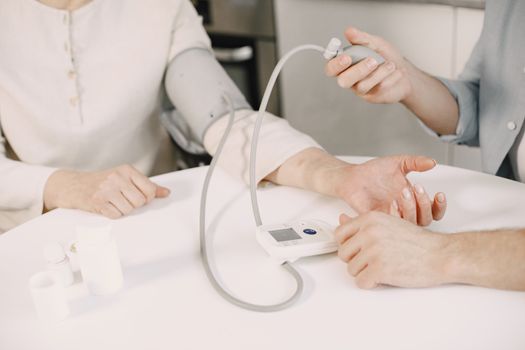
Close-up of blood pressure measurement at home highlighting healthcare equipment. Photo: Gustavo Fring / Pexels
While the benefits of preventive health screenings are clear, effectively integrating them into your healthcare routine requires understanding how to navigate the system and avoid common pitfalls. Here are some essential tips and mistakes to watch out for: **Tips for Maximizing Your Preventive Care:** * **Know Your Family History:** This is perhaps one of the most crucial pieces of information for your doctor. Be proactive in gathering information about diseases that run in your family, such as heart disease, cancer, or diabetes. This helps tailor your screening schedule to your specific genetic risks. * **Establish a Primary Care Physician (PCP):** A consistent relationship with a PCP is invaluable. They know your health history, can coordinate your care, and ensure you receive appropriate screenings at the right times. They are your central point of contact for all health concerns. * **Understand Your Insurance Coverage:** Familiarize yourself with what preventive services your health insurance plan covers. Most plans under the ACA cover a wide range of preventive screenings at no cost, but it's always good to confirm to avoid unexpected bills. * **Keep a Personal Health Record:** Maintain a simple record of your screening dates, results, and any follow-up actions. This allows you and your doctor to track trends over time and ensures continuity of care, especially if you change providers. * **Be an Active Participant:** Don't hesitate to ask questions during your appointments. Understand why a particular screening is recommended, what the results mean, and what the next steps are. Your engagement is key to effective preventive care. **Common Mistakes to Avoid:** * **Ignoring Recommendations Due to Fear:** Many people avoid screenings like colonoscopies or mammograms due to anxiety or fear of discomfort or bad news. Remember, early detection is your greatest asset, and the temporary discomfort pales in comparison to the consequences of late diagnosis. * **Assuming No Symptoms Means No Risk:** Many serious conditions are asymptomatic in their early stages. Waiting for symptoms to appear is often waiting too long. This is precisely why preventive screenings are so vital. * **Skipping Screenings Due to Cost Concerns:** As mentioned, many preventive services are fully covered. If cost is a concern, discuss it with your doctor or insurance provider. There are often programs or clinics that offer low-cost or free screenings. * **Relying on Outdated Information:** Screening guidelines evolve as medical science advances. Make sure you are following current recommendations from reputable health organizations and your doctor, rather than relying on old advice or anecdotal information. * **Not Following Up on Abnormal Results:** An abnormal screening result doesn't automatically mean you have a serious disease, but it does mean further investigation is needed. Always follow through with recommended diagnostic tests to get a definitive answer and appropriate treatment if necessary. By being informed and proactive, you can effectively leverage the immense benefits of preventive health screenings and safeguard your long-term health.

Comparison

FeaturePreventive ScreeningReactive TreatmentAlternative Medicine
TimingBefore symptoms appearAfter symptoms manifestOften alongside or independent of conventional
GoalEarly detection, disease preventionDisease management, symptom reliefHolistic wellness, complementary care
Cost-EffectivenessHigh long-term savingsPotentially very high costsVaries widely, often out-of-pocket
Intervention AggressivenessTypically less invasivePotentially highly invasiveVaries, often non-invasive
Insurance Coverage✓ (often 100% for recommended screenings)✓ (subject to deductibles/co-pays)✗ (limited, depends on plan)
Health OutcomesImproved prognosis, quality of lifeVariable, depends on disease stageSubjective improvement, may lack scientific rigor

What Readers Say

"My annual physical and mammogram caught a very small lump that turned out to be early-stage breast cancer. Because of that screening, I avoided chemotherapy and am now cancer-free. It literally saved my life."

Sarah J. · Austin, TX

"I was hesitant about a colonoscopy, but my doctor insisted due to my age. They found and removed several polyps before they became cancerous. The procedure was easier than I expected, and the peace of mind is priceless."

Mark D. · Phoenix, AZ

"Regular cholesterol screenings showed my levels were climbing. My doctor helped me make dietary changes, and now they're back to normal without medication. Prevention really works!"

Emily R. · Chicago, IL

"While I appreciate the need for screenings, sometimes the process feels a bit overwhelming with so many tests recommended. However, I understand their importance and my doctor does a great job explaining everything."

David L. · Miami, FL

"My family has a history of diabetes. Through regular blood sugar checks, I caught prediabetes early and was able to reverse it with diet and exercise. I feel so much healthier and more in control."

Maria S. · Denver, CO

Frequently Asked Questions

What are the most important benefits of preventive health screenings?

The most important benefits include early detection of diseases before symptoms appear, which significantly improves treatment outcomes and survival rates. They also lead to substantial long-term cost savings by preventing advanced illnesses and contribute to a higher quality of life and increased longevity by maintaining overall health and function.

Are preventive health screenings covered by insurance?

Yes, under the Affordable Care Act (ACA), most preventive health services, including a wide range of screenings like mammograms, colonoscopies, and blood pressure checks, are covered by insurance at no out-of-pocket cost. It's always best to check with your specific insurance provider for details on your plan.

How often should I get preventive health screenings?

The frequency of screenings depends on various factors including your age, gender, family medical history, and personal risk factors. Your primary care physician will create a personalized screening schedule for you during your annual check-up, ensuring you receive the appropriate tests at the recommended intervals.

Is it worth paying for screenings if my insurance doesn't cover them?

Absolutely. While insurance coverage is ideal, the long-term financial and health benefits of preventive screenings far outweigh the upfront costs, even if paid out-of-pocket. Preventing a major illness can save you tens of thousands of dollars in medical bills and safeguard your quality of life, making it a wise investment.

How do preventive screenings compare to reactive treatments?

Preventive screenings aim to detect or prevent disease before symptoms arise, often leading to less invasive and more successful interventions. Reactive treatments, conversely, occur after symptoms manifest and diseases have progressed, typically requiring more aggressive, expensive, and less effective treatments, with a greater impact on quality of life.

Who should prioritize benefits of preventive health screenings?

Everyone should prioritize preventive health screenings, regardless of age or apparent health. While specific screenings vary by demographic, a proactive approach to health benefits all individuals. Those with family histories of certain diseases or specific lifestyle risk factors should be particularly diligent.

Are there any risks associated with preventive health screenings?

Most preventive screenings carry minimal risks, which are far outweighed by the benefits of early detection. Some procedures may involve minor discomfort or very rare complications, but your doctor will discuss these with you. The primary 'risk' is a false positive, which might lead to further tests, but this is a small price for catching a real issue early.

What future trends are expected in preventive health screenings?

Future trends include more personalized screenings based on genetic profiles and AI-driven risk assessments, less invasive testing methods (e.g., liquid biopsies for cancer), and increased integration of wearable technology for continuous health monitoring. The focus will continue to be on earlier, more precise, and more convenient detection.

Don't wait for symptoms to dictate your health journey. Embrace the profound benefits of preventive health screenings today. Schedule an appointment with your primary care physician to discuss a personalized screening plan and take the proactive step towards a longer, healthier, and more vibrant future.

Topics: benefits of preventive health screeningsearly disease detectionpreventive carehealth and wellnessmedical checkups
Leo List
Brampton weed
Adultwork