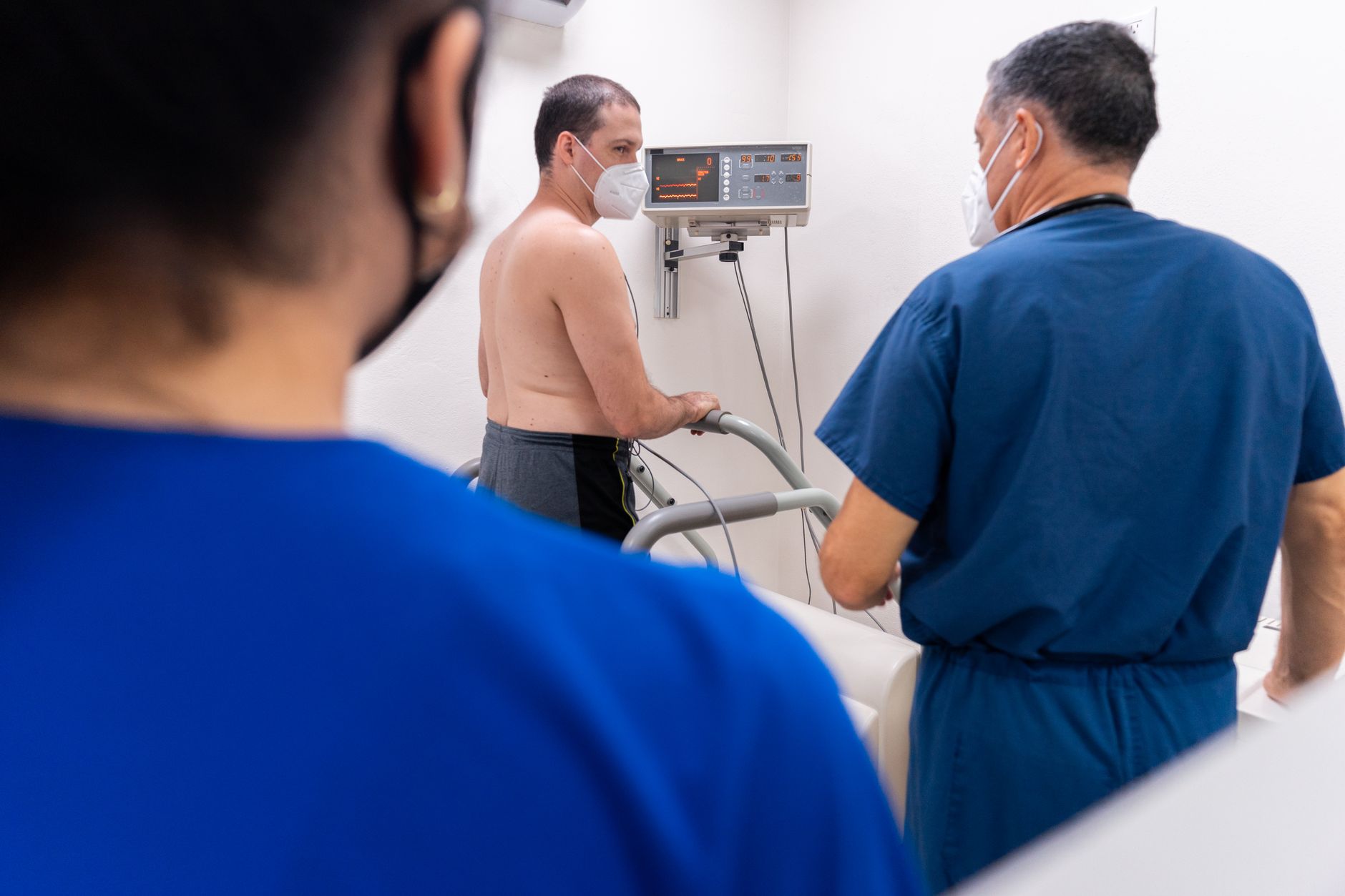
Your First Appointment with a Cardiologist: A Guide
appointment with a cardiologist

Your First Appointment with a Cardiologist: A Guide

Navigate your cardiac consultation with confidence, ensuring you receive the best possible care for your heart.

Schedule Your Consultation

Key Takeaways

  • ✓ Cardiologists specialize in diagnosing and treating heart conditions.
  • ✓ Preparation is key to a productive first appointment.
  • ✓ Don't hesitate to ask questions about your health and treatment options.
  • ✓ Follow-up care is crucial for managing heart health long-term.

How It Works

1
Recognize the Need

Understand when it's time to see a cardiologist, whether due to symptoms, risk factors, or a referral. Early detection can significantly improve outcomes for many heart conditions.

2
Prepare Thoroughly

Gather your medical history, current medications, and a list of questions or concerns. This preparation ensures you make the most of your limited time with the specialist.

3
During the Appointment

Be open and honest about your symptoms and lifestyle. The cardiologist will conduct an examination and may order diagnostic tests to assess your heart health accurately.

4
Follow-Up and Management

Discuss treatment plans, lifestyle modifications, and future appointments. Adhering to your cardiologist's recommendations is vital for maintaining long-term cardiovascular wellness.

Understanding When to Seek a Cardiac Consultation

Black and white photo of a man clutching his chest, indicating discomfort or pain. Photo: freestocks.org / Pexels
Deciding when to schedule an appointment with a cardiologist can be a critical step in managing your overall health. Many people are referred by their primary care physician (PCP) due to concerning symptoms, abnormal test results, or a family history of heart disease. However, sometimes individuals may experience symptoms that warrant a self-referral or a direct conversation with their PCP about seeing a specialist. Common symptoms that should prompt a discussion about a cardiac consultation include chest pain or discomfort, shortness of breath, palpitations (a feeling of a racing or fluttering heart), dizziness, lightheadedness, or fainting. Swelling in the legs, ankles, or feet can also be a sign of underlying heart issues. These symptoms, especially if new, worsening, or occurring during physical exertion, should never be ignored. Beyond symptoms, there are several risk factors that increase your likelihood of developing heart disease, making a proactive appointment with a cardiologist a wise choice. These include high blood pressure (hypertension), high cholesterol, diabetes, obesity, a sedentary lifestyle, smoking, and a strong family history of heart disease, particularly if a close relative experienced heart problems at a young age. If you have multiple risk factors, even without overt symptoms, a preventive consultation can help assess your risk profile and establish a baseline for your heart health. Your cardiologist can then guide you on lifestyle modifications, screenings, and potential interventions to mitigate these risks. Learning about preventive cardiology can provide further insights into how these specialists focus on reducing your risk before major issues arise. Furthermore, if you've recently been diagnosed with a condition like atrial fibrillation, heart failure, or have had a heart attack, an appointment with a cardiologist is not just recommended, but essential for ongoing management and treatment. They possess the specialized knowledge and equipment to monitor your condition, adjust medications, and recommend appropriate procedures. Even for those without specific symptoms or risk factors, a baseline assessment around middle age, or if you have concerns about your heart health due to high-stress levels or other lifestyle factors, can offer peace of mind and valuable insights into maintaining a healthy heart for years to come. Don't wait for a crisis; taking an active role in your heart health begins with understanding when to seek expert advice.

Preparing for Your First Appointment with a Cardiologist

Healthcare professional consults patient in clinical setting. Medical discussion and diagnosis. Photo: RDNE Stock project / Pexels
A well-prepared appointment with a cardiologist is a highly effective one. The more information you can provide, the better equipped your cardiologist will be to understand your situation and formulate an accurate diagnosis and treatment plan. Start by gathering your comprehensive medical history. This includes any past or current medical conditions, surgeries, and hospitalizations, not just those related to your heart. Be sure to note the dates of diagnoses and any significant events. Next, create a detailed list of all medications you are currently taking, including prescription drugs, over-the-counter medications, vitamins, supplements, and herbal remedies. Include the dosage and frequency for each. It's often helpful to bring the actual medication bottles with you to the appointment. Another crucial piece of information is your family medical history. Heart disease often has a genetic component, so inform your cardiologist if any close relatives (parents, siblings, grandparents) have had heart attacks, strokes, high blood pressure, high cholesterol, or other cardiovascular conditions, especially if they occurred at a younger age. Beyond medical records, prepare a list of your symptoms. Be specific: when did they start, how often do they occur, what triggers them, what makes them better or worse, and how severe are they? For example, instead of just saying "chest pain," describe it as a "dull ache across my chest that worsens when I walk uphill, lasting about 5 minutes, relieved by rest." This level of detail is invaluable. Also, compile a list of all your questions and concerns. Don't rely on memory; write them down so you don't forget anything important during the consultation. These might include questions about your diagnosis, treatment options, potential side effects of medications, lifestyle changes, or what to expect next. Consider bringing a trusted family member or friend with you to the appointment. They can help you remember details, take notes, and provide support. Finally, be prepared to discuss your lifestyle habits, including diet, exercise, smoking history, alcohol consumption, and stress levels, as these significantly impact heart health. Your honesty and thoroughness in providing this information will lay the groundwork for a successful and productive visit, maximizing the benefits of your first appointment with a cardiologist.

What to Expect During Your Cardiac Evaluation

A healthcare professional with a stethoscope and red heart symbol emphasizes cardiology care. Photo: www.kaboompics.com / Pexels
When you arrive for your appointment with a cardiologist, the process typically begins with administrative tasks, such as checking in, verifying insurance, and completing any necessary paperwork. Once in the examination room, a nurse or medical assistant will usually take your vital signs, including blood pressure, pulse, respiration rate, and temperature. They may also measure your height and weight. This initial data provides crucial baseline information for the cardiologist. The core of your visit will be the consultation with the cardiologist. They will start by reviewing your medical history, family history, and the list of symptoms you've prepared. Be ready to elaborate on your concerns and answer detailed questions about your health and lifestyle. This is your opportunity to communicate openly and thoroughly. Following the discussion, the cardiologist will perform a physical examination. This typically includes listening to your heart and lungs with a stethoscope, checking your pulses in various locations, examining your neck for swollen veins, and checking your legs and ankles for swelling. These physical signs can offer important clues about your cardiovascular health. Depending on your symptoms and risk factors, the cardiologist may recommend or perform several diagnostic tests during or after your first visit. Common tests include an Electrocardiogram (ECG or EKG), which records the electrical activity of your heart to detect abnormalities in rhythm or structure. Blood tests are also very common, checking for cholesterol levels, blood sugar, kidney function, and other markers related to heart health. Other potential tests might include an echocardiogram (an ultrasound of the heart), a stress test (to see how your heart performs under exertion), or a Holter monitor (a portable ECG that records heart activity over 24-48 hours). The cardiologist will explain the purpose of any recommended tests and what to expect. After the examination and review of any immediate test results, the cardiologist will discuss their initial findings, potential diagnoses, and proposed next steps. This might involve prescribing medication, recommending lifestyle changes, ordering further tests, or referring you to another specialist. Don't hesitate to ask questions about anything you don't understand. Understanding common cardiac diagnostic tests can help you feel more prepared and less anxious. Ensure you leave the appointment with a clear understanding of your condition (if determined), your treatment plan, and when your next appointment or follow-up is scheduled. This comprehensive approach ensures that every aspect of your heart health is thoroughly evaluated.

Essential Tips for a Productive Cardiologist Appointment

Elderly doctor writing notes at his desk with a focus on work in a well-lit office. Photo: Tima Miroshnichenko / Pexels
To ensure your appointment with a cardiologist is as productive and beneficial as possible, keep these essential tips in mind. First and foremost, be honest and transparent with your cardiologist. Withholding information about your symptoms, lifestyle habits (like smoking or diet), or medication adherence can significantly hinder an accurate diagnosis and effective treatment plan. Your cardiologist relies on your full disclosure to provide the best care. Secondly, don't be afraid to ask questions. It's your health, and you have every right to understand your condition, treatment options, and prognosis. Write down your questions beforehand and bring them to the appointment. If you don't understand a medical term or explanation, ask for clarification. Requesting that the cardiologist explain things in simpler language is perfectly acceptable. Thirdly, take notes during your appointment. This can help you remember important details, instructions, and follow-up actions. If you brought a family member or friend, they can assist with note-taking. Alternatively, ask if you can record the conversation (always ask for permission first). Fourthly, confirm your understanding of the treatment plan before you leave. Repeat back the instructions for medication, lifestyle changes, and any follow-up appointments. This ensures there are no misunderstandings. Finally, remember that your cardiologist is a partner in your heart health journey. Building a trusting relationship will facilitate better communication and outcomes. If you feel rushed or unheard, consider addressing your concerns directly or, if necessary, seeking a second opinion. Empowering yourself with knowledge and active participation is crucial for managing your cardiovascular health effectively. Always follow up on recommended tests and appointments promptly, as timely action is often critical in cardiology. Here's a quick checklist for your next visit: * **Bring all medications:** Actual bottles, not just a list. * **List all symptoms:** Detail onset, frequency, triggers, and severity. * **Prepare a family history:** Note any heart conditions in close relatives. * **Write down questions:** Don't rely on memory. * **Bring a note-taker:** A trusted friend or family member. * **Be honest:** Full disclosure is vital for accurate diagnosis. * **Confirm understanding:** Repeat instructions to the doctor. * **Follow up:** Schedule tests and next appointments promptly.

Comparison

FeaturePrimary Care Physician (PCP)General CardiologistInterventional CardiologistElectrophysiologist
Scope of CareGeneral health, initial screeningGeneral heart conditions, diagnosis, medical managementProcedures for blocked arteries, structural heart diseaseHeart rhythm disorders, pacemakers, defibrillators
When to SeeRoutine check-ups, mild symptoms, referralPersistent symptoms, risk factors, post-MI careAngina, heart attack, valve issuesPalpitations, fainting, arrhythmias
Typical TestsBP, EKG, blood workEKG, Echo, Stress Test, HolterAngiogram, Cardiac CathEP Study, Ablation
Treatment FocusPrevention, basic medicationMedication, lifestyle, ongoing monitoringStents, angioplasty, valve repairAntiarrhythmic drugs, pacemakers, ablations
Referral NeededOften for specialistOften from PCPFrom general cardiologistFrom general cardiologist

What Readers Say

"My appointment with a cardiologist was incredibly thorough. Dr. Chen listened patiently to all my concerns and explained everything in a way I could understand. I left feeling much more confident about managing my heart health."

Sarah J. · Dallas, TX

"After experiencing some alarming chest pains, getting an appointment with a cardiologist quickly was a huge relief. The staff was efficient, and the doctor's expertise put my mind at ease, setting up a clear diagnostic path."

Mark D. · Phoenix, AZ

"My first visit resulted in a clear diagnosis of atrial fibrillation, which had been misdiagnosed for months. The cardiologist immediately started me on an effective treatment plan, and I've seen a significant improvement in my symptoms since then."

Eleanor K. · Orlando, FL

"The appointment with a cardiologist was very informative, though the wait time was a bit long. Once I saw the doctor, he was excellent, taking the time to answer all my questions and providing a comprehensive health strategy. I appreciate the detailed follow-up."

David R. · Denver, CO

"I was nervous about my preventative appointment with a cardiologist due to family history, but the doctor was incredibly reassuring. She outlined steps I could take to reduce my risk, making it a very empowering experience."

Linda S. · Seattle, WA

Frequently Asked Questions

What is the primary reason someone might need an appointment with a cardiologist?

The primary reasons typically include experiencing symptoms like chest pain, shortness of breath, or palpitations, having significant risk factors for heart disease such as high blood pressure or diabetes, or receiving a referral from a primary care physician due to abnormal test results or a family history of heart conditions. A cardiologist can diagnose, treat, and manage various cardiovascular issues.

How long does a typical first appointment with a cardiologist last?

A first appointment with a cardiologist can vary, but generally, you should expect it to last between 30 minutes to an hour, sometimes longer if extensive testing is done on the same day. This allows time for a thorough medical history review, physical examination, discussion of symptoms, and potentially some initial diagnostic tests.

What common tests might be performed during or after my first cardiologist appointment?

Common tests include an Electrocardiogram (ECG or EKG) to check heart electrical activity, blood tests to assess cholesterol, blood sugar, and other markers, and potentially an echocardiogram (ultrasound of the heart) to visualize its structure and function. Other tests like stress tests or Holter monitors may be ordered based on your symptoms and risk factors.

Will my insurance cover an appointment with a cardiologist?

Most health insurance plans in the US cover appointments with specialists like cardiologists, especially with a referral from your primary care physician. However, coverage details, co-pays, deductibles, and network requirements vary significantly by plan. It's always best to contact your insurance provider directly before your appointment to understand your specific benefits and any potential out-of-pocket costs.

Is it better to get a referral from my PCP before scheduling an appointment with a cardiologist?

For many insurance plans, particularly HMOs, a referral from your PCP is required for specialist visits, including cardiologists, to be covered. Even with PPOs, a referral can streamline the process, ensure continuity of care, and help the cardiologist understand your medical history more completely. It's generally a good practice to start with your PCP for initial symptom evaluation and referral.

Who should consider a preventative appointment with a cardiologist, even without symptoms?

Individuals with strong family histories of early heart disease, those with multiple risk factors like high cholesterol, high blood pressure, or diabetes that are not yet well-managed, or people over a certain age (e.g., 40s-50s) who want a baseline assessment of their cardiovascular health should consider a preventative appointment. This proactive step can help identify risks and implement lifestyle changes to prevent future issues.

Are there any risks associated with seeing a cardiologist?

The risks associated with simply seeing a cardiologist for a consultation and examination are minimal, primarily limited to the slight discomfort of blood draws or minor risks associated with diagnostic tests like stress tests. The benefits of early diagnosis and treatment of heart conditions far outweigh these minimal risks, making regular check-ups or appointments when indicated a safe and crucial part of healthcare.

How has technology impacted the effectiveness of an appointment with a cardiologist?

Technology has revolutionized cardiology, significantly enhancing the effectiveness of appointments. Advanced diagnostic tools like 3D echocardiography, cardiac CT, and MRI provide detailed images of the heart, while remote monitoring devices (Holter monitors, implantable loop recorders) offer continuous data. Telemedicine also allows for convenient follow-up appointments, making care more accessible and personalized.

Don't delay prioritizing your heart health. Schedule your appointment with a cardiologist today to gain peace of mind and expert guidance on your cardiovascular wellness journey. Taking this proactive step is the best way to safeguard your future.

Topics: appointment with a cardiologistheart health checkupcardiac consultationfinding a cardiologistpreparing for cardiologist
Leo List
Brampton weed
Adultwork